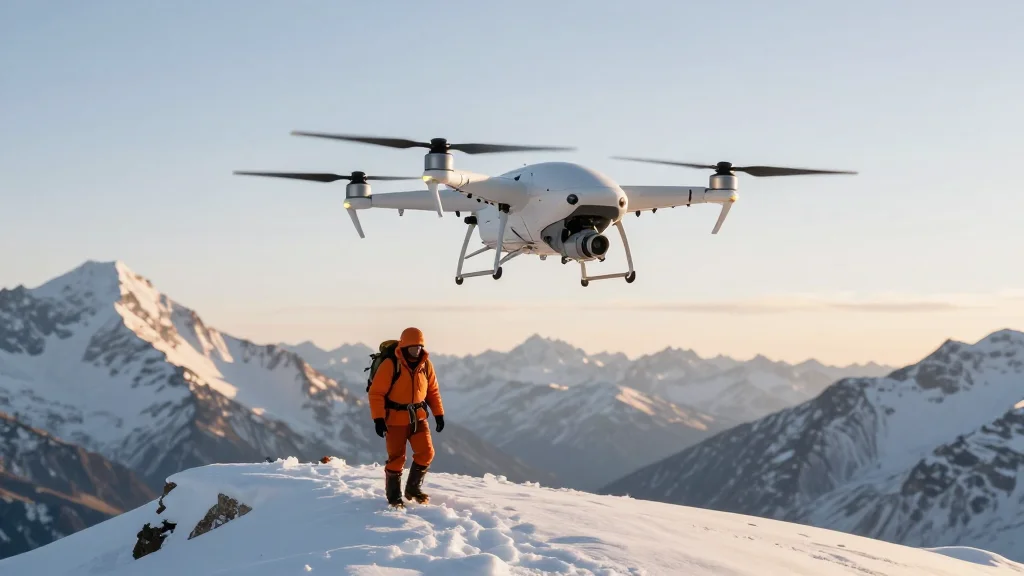
Sherpas Advance Toward South Col as Nepal Reverses Drone Ban Amid Geopolitical Tension

Companies Mentioned
Why It Matters
The reversal of the drone ban highlights how high‑altitude logistics are becoming inseparable from geopolitical competition. By allowing cargo drones to operate, Nepal can dramatically reduce the physical burden on Sherpas, potentially reshaping expedition economics and safety protocols. At the same time, the presence of a U.S. envoy and the failed American drone test expose how Everest is evolving into a stage for soft power contests between Washington and Beijing, with Nepal caught in the middle. The newly imposed photo‑approval rule adds another layer of complexity. Restricting visual documentation may limit independent reporting on safety incidents, environmental degradation, and the impact of emerging technologies. As climbers, media, and regulators negotiate these constraints, the precedent set on Everest could influence policy frameworks for other remote, high‑risk tourism sites worldwide.
Key Takeaways
- •Sherpas are advancing toward the South Col, aiming for a summit window next week
- •Nepal lifted a five‑day ban on cargo drones after an avalanche injured two climbers
- •Airlift Technology’s DJI Flycart 100 can move 50 kg to Camp 1 in ~10 minutes, versus 5‑7 hours by Sherpas
- •U.S. Special Envoy Sergio Gor attended the drone inauguration, underscoring geopolitical stakes
- •New regulation requires prior approval for any photos or videos taken at Everest Base Camp
Pulse Analysis
The Everest episode illustrates a broader shift where extreme‑environment logistics are no longer purely a matter of mountaineering tradition but a convergence point for technology, commerce, and geopolitics. Historically, Sherpas have shouldered the bulk of load‑carrying, a labor‑intensive model that limited the number of climbers and increased risk. The introduction of high‑capacity cargo drones, proven to cut transport time from hours to minutes, could democratize access to the summit by lowering expedition costs and reducing human exposure to avalanche zones. However, the technology’s adoption is contingent on regulatory goodwill, which in Nepal’s case is swayed by external diplomatic pressure and internal safety imperatives.
Washington’s attempt to field the Alta X Gen 2 drone—and a proposed climbing robot—signals an ambition to embed U.S. tech standards in a region where Chinese manufacturers already dominate the market. The swift revocation and later reinstatement of the drone ban reveal Nepal’s delicate balancing act: it must safeguard climbers while navigating the strategic interests of two superpowers. The photo‑restriction policy further suggests a desire to control the narrative around these developments, perhaps to prevent premature criticism or to manage the image of Nepal as a responsible steward of its iconic peak.
Looking ahead, the outcome of this season will likely set the tone for future high‑altitude operations. If drones prove indispensable for avalanche assessment and load transport, we may see a rapid scaling of similar services across the Himalayas and other mountain ranges. Conversely, if geopolitical frictions or restrictive media policies hinder transparency, the mountaineering community could push back, demanding clearer guidelines that protect both safety and the open flow of information. The interplay of technology, politics, and tradition on Everest will be a bellwether for how remote tourism adapts to the 21st‑century tech landscape.
Sherpas Advance Toward South Col as Nepal Reverses Drone Ban Amid Geopolitical Tension
Comments
Want to join the conversation?
Loading comments...