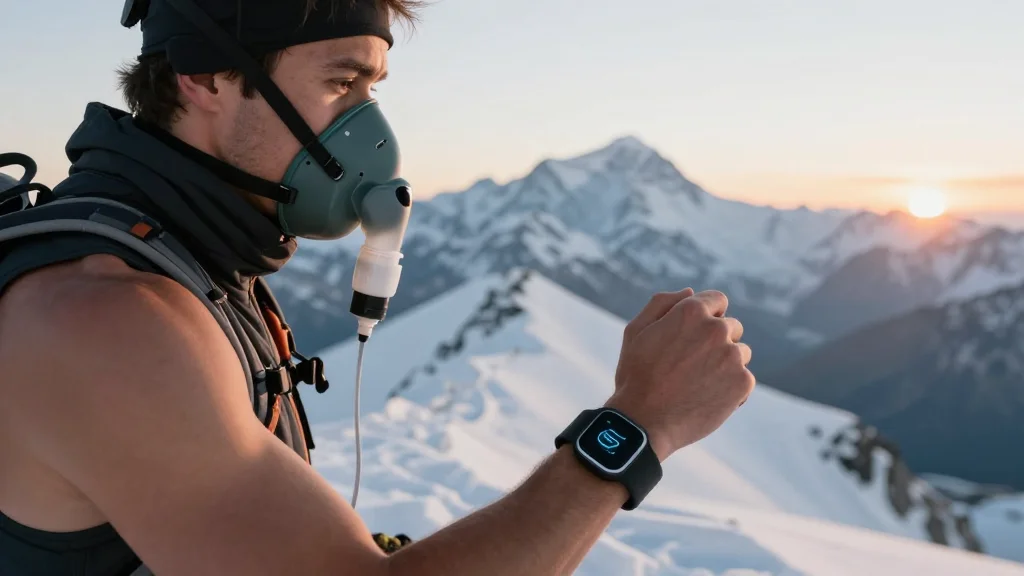
Tyler Andrews Launches Aggressive Bid to Break Everest Speed Record

Why It Matters
Andrews’ attempt highlights the intersection of cutting‑edge sports science and traditional mountaineering, signaling a shift toward more data‑driven approaches in extreme environments. Success could validate hypoxia‑chamber training as a viable method for high‑altitude performance, prompting wider adoption among elite athletes and adventure tourism operators. The endeavor also raises questions about the sustainability of speed‑record pursuits on fragile mountain ecosystems. Increased traffic, rapid ascents, and the need for specialized support teams could amplify the environmental footprint of such expeditions, prompting regulators and conservation groups to revisit permitting policies for high‑altitude climbs.
Key Takeaways
- •Tyler Andrews begins a month‑long acclimatization at Manaslu base camp before his Everest attempt.
- •Training includes 7.5‑hour StairMaster sessions inside a portable hypoxia chamber.
- •Expedition supported by Sherpa guides, medical staff and logistics specialists.
- •Record attempt reflects a broader trend of ultra‑fast ascents on world’s major peaks.
- •Potential market impact on hypoxia training equipment and high‑altitude gear.
Pulse Analysis
Andrews’ bid represents a convergence of two historically separate domains: elite endurance sport and high‑altitude mountaineering. While climbers have long relied on gradual acclimatization and incremental progress, the infusion of laboratory‑grade hypoxia training suggests a new paradigm where physiological adaptation can be accelerated off the mountain. This shift mirrors trends in other endurance disciplines, such as cycling and marathon running, where altitude tents and simulated environments have become mainstream.
From a market perspective, the visibility of Andrews’ project offers a platform for gear manufacturers to showcase innovations in lightweight insulation, breathable fabrics, and portable oxygen‑regulation devices. Companies that can demonstrate measurable performance gains in hypoxia conditions may capture a premium segment of adventure consumers willing to pay for marginal advantages. However, the commercial upside must be weighed against the ethical considerations of promoting ever‑faster ascents that could strain fragile ecosystems and increase safety risks.
Looking ahead, the outcome of Andrews’ attempt will likely influence how future expeditions are planned. A successful record could legitimize hypoxia‑chamber conditioning as a standard preparatory tool, prompting climbing schools and guiding companies to integrate similar protocols. Conversely, a failure or serious incident could trigger a backlash, reinforcing calls for stricter regulation of speed‑record attempts. In either scenario, the episode underscores the evolving relationship between technology, human ambition, and the natural limits imposed by the planet’s highest peaks.
Tyler Andrews Launches Aggressive Bid to Break Everest Speed Record
Comments
Want to join the conversation?
Loading comments...