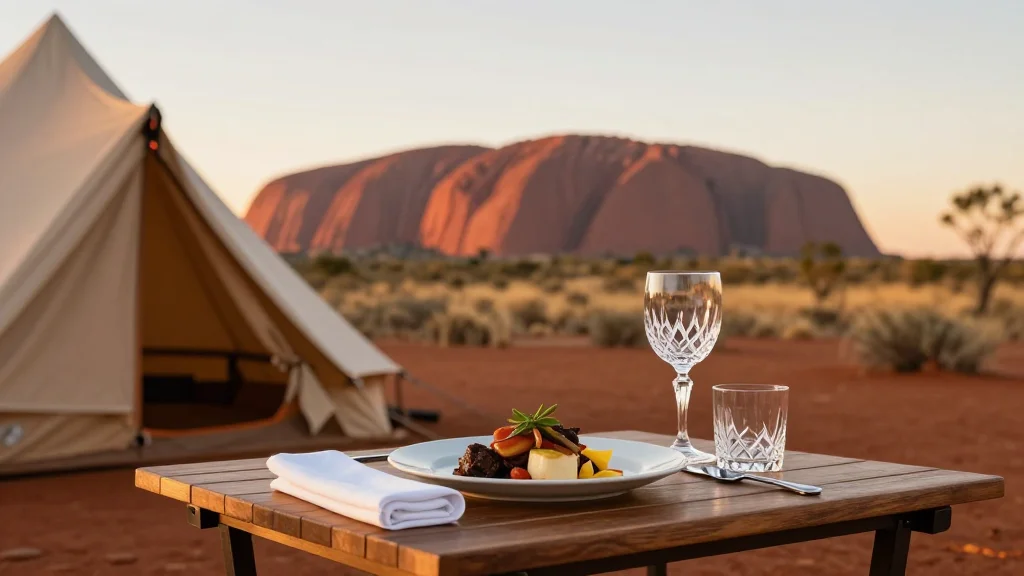
Uluru‑Kata Tjuta Signature Walk Launches with $25 Million Design‑Led Camp Experience

Companies Mentioned
Why It Matters
Opening Uluru‑Kata Tjuta to overnight walkers reshapes the economics of Australian outback tourism, unlocking a high‑margin market while providing a revenue stream for the Anangu community. The partnership demonstrates how luxury design can coexist with Indigenous cultural protocols, offering a template for other protected areas worldwide. Moreover, the project's emphasis on low‑impact infrastructure highlights a growing consumer appetite for experiences that are both exclusive and environmentally responsible. If the model proves sustainable, it could catalyze a wave of similar initiatives across the globe, where heritage sites grapple with the tension between preservation and visitor access. Successful stewardship here may encourage governments and operators to invest in design‑led, community‑partnered tourism that respects cultural narratives while delivering economic uplift.
Key Takeaways
- •Uluru‑Kata Tjuta Signature Walk launches with $25 million investment
- •Five‑day, 54‑km guided trek includes 38 km of newly mapped paths
- •Off‑grid luxury camps blend solar power, local materials and Anangu design
- •Price set at $5,395 per person twin share, targeting high‑end market
- •Partnership with Anangu Traditional Owners aims to fund conservation and community programs
Pulse Analysis
The Uluru‑Kata Tjuta Signature Walk arrives at a moment when the outdoor industry is pivoting from mass‑market adventure to curated, high‑value experiences. Historically, Australia’s outback tourism relied on day‑trip operators and budget backpacker routes, often sidelining Indigenous voices. This new venture flips that script by placing Anangu custodians at the decision‑making core, aligning financial incentives with cultural preservation. The $25 million capital outlay reflects confidence that affluent travelers will pay a premium for authenticity, design, and minimal ecological footprints.
From a market perspective, the walk competes directly with other flagship treks that command similar price points, such as New Zealand’s Milford Track luxury packages and Patagonia’s Torres del Paine expeditions. However, Uluru‑Kata Tjuta offers a unique selling proposition: the ability to camp within a World Heritage site under Indigenous stewardship. This differentiation could attract a niche segment of travelers seeking both exclusivity and ethical engagement, potentially driving up average spend per visitor and extending the tourism season beyond the traditional summer months.
Looking ahead, the success of this model will hinge on rigorous environmental monitoring and transparent revenue sharing with the Anangu. If the pilot maintains ecological integrity while delivering measurable community benefits, it could inspire a cascade of similar projects across Australia’s national parks and beyond. Conversely, any misstep—overcrowding, cultural misrepresentation, or ecological degradation—could quickly erode the goodwill that underpins the venture. Stakeholders will be watching closely, as the outcome may redefine how the global outdoor industry balances profit, preservation, and partnership.
Uluru‑Kata Tjuta Signature Walk Launches with $25 Million Design‑Led Camp Experience
Comments
Want to join the conversation?
Loading comments...