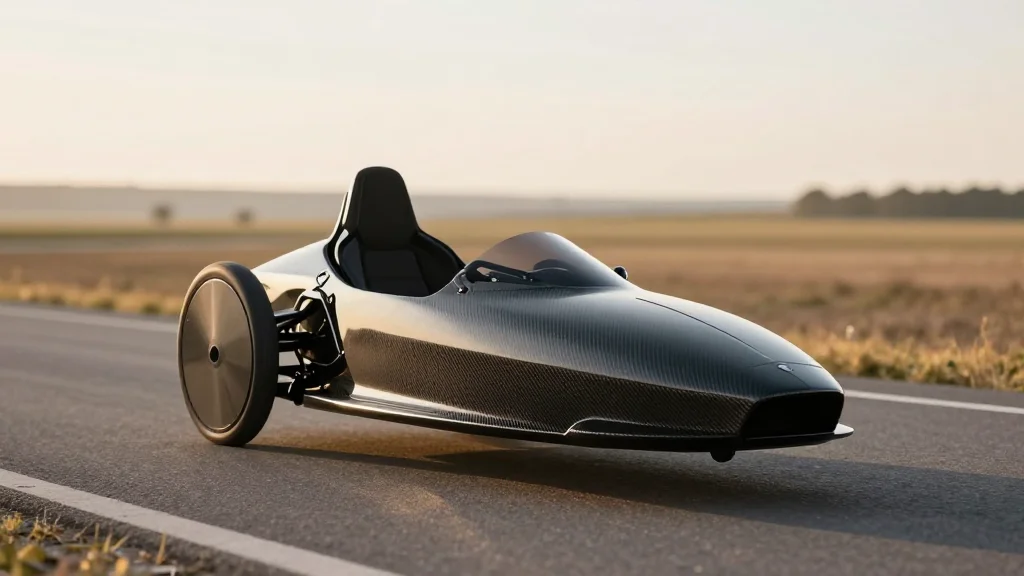
Velomobile Rider Aidan Lampe Sets 24‑Hour World Record of 1,512 Km in Australia

Why It Matters
The record showcases the expanding frontier of ultra‑endurance sports, where advances in vehicle aerodynamics and nutrition intersect with human physiology. By setting a new standard, Lampe’s ride validates velomobiles as serious performance machines, potentially influencing commuter adoption and encouraging investment in lightweight, energy‑efficient designs. Moreover, the achievement highlights the role of support crews and data‑driven pacing, offering a template for future record attempts across the broader outdoor endurance community. Beyond the sport, the feat underscores the sustainability narrative of human‑powered transport. As climate concerns drive interest in low‑emission mobility, high‑profile successes like this can inspire both recreational cyclists and urban planners to consider velomobiles as viable alternatives to motorized travel, bridging the gap between adventure and everyday practicality.
Key Takeaways
- •Aidan Lampe rode 1,512.775 km (939.995 miles) in 24 hours at VinFast’s Lang Lang track
- •New WUCA and Guinness World Records for solo male 18‑49 velomobile category
- •Nutrition plan: 100 g carbs per hour via fructose/glucose blend with electrolytes
- •Support crew delivered fresh bottles every 3–4 hours using a second electric‑powered velomobile
- •Encountered echidnas, kangaroos, and snakes during the nonstop ride
Pulse Analysis
Lampe’s record arrives at a moment when ultra‑endurance disciplines are experiencing a renaissance, fueled by better data analytics, more sophisticated equipment, and a growing appetite for extreme challenges. Historically, human‑powered speed records have been dominated by road cyclists on standard bikes; the shift toward recumbent, faired vehicles reflects a broader trend toward optimizing aerodynamics at the expense of traditional aesthetics. This pivot mirrors developments in other outdoor arenas, such as the rise of ultra‑lightweight backpacks for long treks and the integration of solar‑assisted gear for remote expeditions.
From a market perspective, the achievement could catalyze a new niche within the outdoor industry: high‑performance velomobiles designed for record attempts and long‑distance touring. Manufacturers may invest in carbon‑fiber monocoques, active suspension systems, and integrated telemetry platforms, creating a feedback loop that pushes both competitive and consumer products forward. Sponsorship dollars, traditionally funneled into mountain biking and trail running, might now be redirected toward velomobile teams, expanding the sport’s financial ecosystem.
Looking ahead, the next wave of records will likely hinge on three factors: (1) incremental aerodynamic gains through computational fluid dynamics, (2) real‑time physiological monitoring that allows riders to fine‑tune effort zones, and (3) smarter support logistics leveraging autonomous or semi‑autonomous support vehicles. If these elements converge, we could see the 1,600‑km barrier breached within the next two to three years, reshaping the perception of what a human can achieve on a bike. Lampe’s ride not only rewrites the numbers but also sets a strategic blueprint for the future of human‑powered endurance.
Velomobile Rider Aidan Lampe Sets 24‑Hour World Record of 1,512 km in Australia
Comments
Want to join the conversation?
Loading comments...