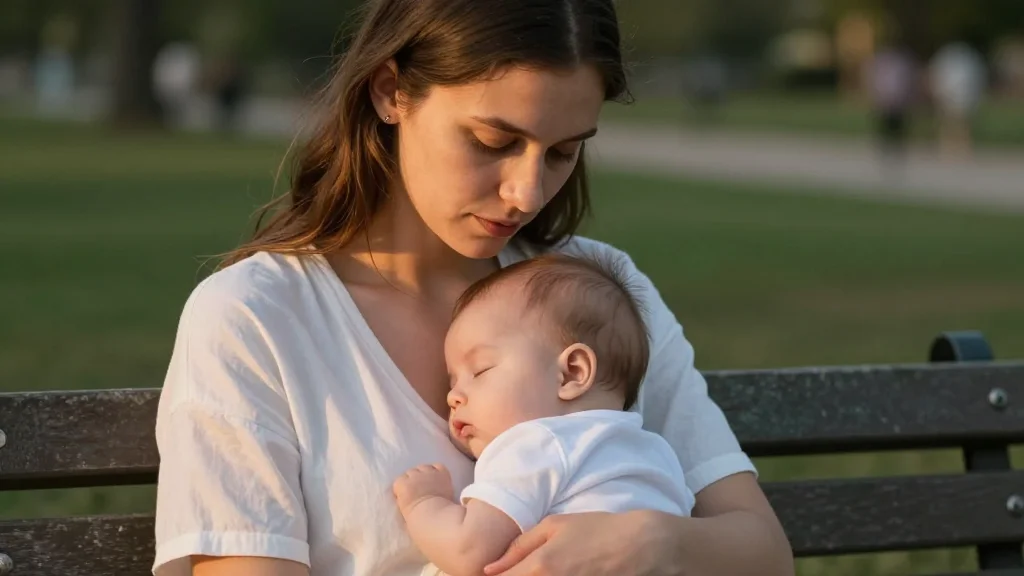
73% of Mothers Report Frequent Loneliness, Survey Shows Village Support Crumbling

Why It Matters
Maternal loneliness is more than an emotional inconvenience; it is a proven risk factor for post‑natal depression, reduced infant bonding, and long‑term health outcomes for both mother and child. By quantifying the scale of isolation—73% of mothers feeling lonely regularly—the survey provides concrete evidence that current social safety nets are insufficient. The findings also expose how pandemic‑era disruptions have reshaped family dynamics, suggesting that any effective response must address both physical proximity and the digital transformation of support networks. For policymakers, the data offers a clear mandate to invest in community infrastructure that can recreate the informal "village" model, whether through subsidized childcare co‑ops, neighborhood playgroups, or tele‑support circles. Health insurers like Medibank stand to benefit from preventive mental‑health interventions that could lower long‑term treatment costs. Ultimately, the report signals a tipping point: without coordinated action, maternal loneliness could become a persistent public‑health crisis.
Key Takeaways
- •73% of surveyed mothers feel lonely at least a few times a month.
- •Only 38% say they belong to a supportive "village" community.
- •71% feel isolated from pre‑parenting social networks.
- •Half of respondents report increased loneliness since becoming mothers.
- •COVID‑19 disruptions to in‑person mothers’ groups are cited as a major factor.
Pulse Analysis
The survey arrives at a moment when the parenting ecosystem is undergoing rapid change. Decades ago, the "village" metaphor described a tangible network of neighbors, extended family, and local institutions that collectively eased the transition to parenthood. Today, urban mobility, geographic dispersion of families, and the digital pivot forced by COVID‑19 have fragmented those networks. The data underscores a broader societal shift: community support is no longer an automatic by‑product of residential life but a service that must be deliberately engineered.
From a market perspective, the findings open a niche for both public and private actors. Tech platforms that can safely curate peer‑to‑peer support—while respecting privacy and mental‑health best practices—are poised to fill gaps left by the decline of organic village structures. Simultaneously, insurers and employers have a financial incentive to back such solutions, as reduced maternal mental‑health incidents translate into lower claims and higher employee productivity. However, any digital fix must be complemented by physical spaces; the longing for "drop‑in" interactions suggests that hybrid models will be most effective.
Looking ahead, the upcoming 2027 follow‑up survey will be a litmus test for any interventions launched in response to this report. If loneliness rates decline, it could validate community‑building policies and encourage further investment. Conversely, stagnant or worsening numbers would signal that deeper structural issues—such as housing affordability, work‑life balance, and the erosion of intergenerational co‑habitation—remain unaddressed. Stakeholders should therefore view this survey not as a final verdict but as a catalyst for a sustained, data‑driven effort to rebuild the social scaffolding essential for healthy families.
73% of Mothers Report Frequent Loneliness, Survey Shows Village Support Crumbling
Comments
Want to join the conversation?
Loading comments...