
Psychologists Turn to Hair Samples to Shed Light on the Biology of Parenting in Fascinating New Study
A recent study published in European Neuropsychopharmacology demonstrates that chronic oxytocin levels measured from hair can serve as a biomarker of the emotional quality of mother‑child relationships. By analyzing three‑centimeter hair segments, researchers captured hormone exposure over the prior three months and found that children’s oxytocin concentrations were nearly double those of their mothers. Mother‑child oxytocin levels were tightly correlated, and higher maternal oxytocin predicted greater emotional availability, especially when the child’s own oxytocin was low or average. The work suggests a mutual biological regulation within the caregiving dyad.

I Banned Smartphones for My 4 Kids. They Became Obsessed with Walkmans Instead.
Utah mother Ali Hynek barred her four children from smartphones until age 17, opting instead for vintage analog gadgets like a boombox, rotary phone and Walkmans. The kids quickly embraced the devices, making their own mixtapes on cassette tapes and...

Let Them Be Bored
Parents increasingly fill children’s schedules with structured activities, leaving little room for unstructured play. Research shows that regular periods of boredom boost creativity, problem‑solving, and emotional regulation, while constant stimulation can heighten anxiety and future addiction risk. Allowing kids to...

Study Links Negative Parenting Behaviors to Gaming Disorder in Kids with ADHD
A study presented at the Pediatric Academic Societies Annual Meeting found that negative parenting behaviors increase the risk of internet gaming disorder (IGD) in children with ADHD by nearly three‑fold. The research surveyed 303 parents of 5‑ to 12‑year‑old children...

Five Ways Parents Can Help Teens Connect Across Differences
Greater Good Science Center released a video series outlining five practical ways parents can help teens bridge cultural, racial, and ideological differences. The series follows families who participated in a cross‑country program, illustrating lessons such as compassionate listening, fostering a...

The Realistic Guide To Setting Screen Time Boundaries During Summer Break
Dr. Lauren Loquasto, senior vice president of The Goddard School, explains that screens are now a core part of children’s learning and social interaction, not just passive entertainment. In Goddard classrooms, technology is used intentionally within an inquiry‑based framework to...
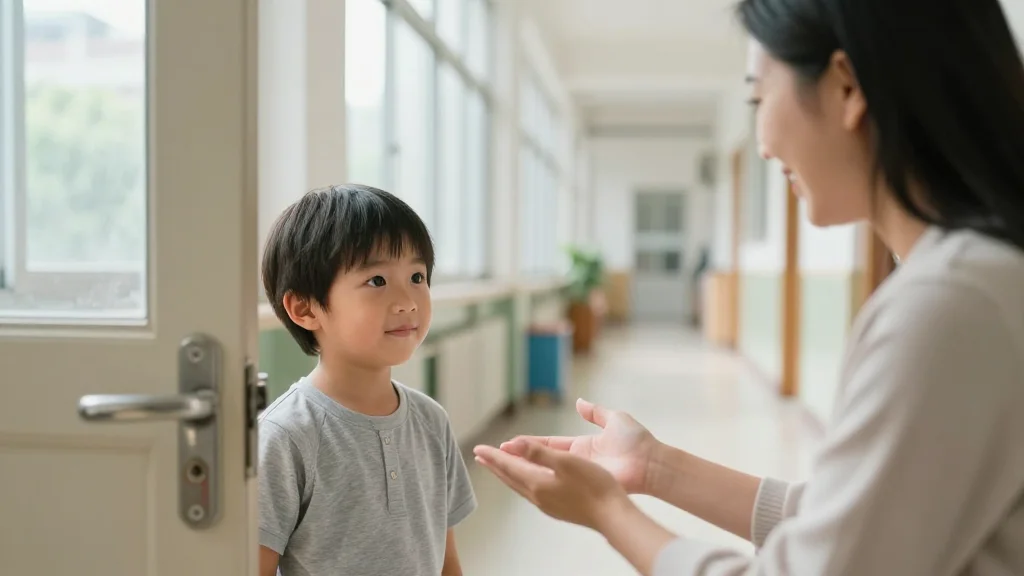
Your Child Talks Freely at Home but Goes Silent at School and It May Not Be Shyness
Selective mutism, an anxiety‑driven condition, leaves children mute at school while they remain chatty at home. It affects roughly one in 150 children in the UK, meaning most primary schools will have at least one case. The disorder is often...

Neural Synchrony Between Mothers and Daughters Linked to Better Mental Health
A study published in Neuroscience found that when daughters aged six to eight watch their mothers discuss marital intimacy, the girls' brain activity synchronizes with their mothers' in the right inferior frontal gyrus. This neural coupling was measured using functional...

'I'm a Psychotherapist, Here Are 7 Phrases Not to Say to an Angry Child – and Here's What to Say...
Psychotherapist Zara Kadir, who amassed 84,000 Instagram followers with a viral post, outlined seven phrases parents should avoid when a child is angry and offered concrete alternatives. The advice emphasizes acknowledging emotions, avoiding bribes, and linking consequences directly to behavior....

A Free-Range Childhood Is Key to Civic Infrastructure
The Institute for Family Studies reports that nearly 60% of U.S. 17‑year‑olds cannot roam unsupervised, and only 1% of nine‑year‑olds have that freedom. Walk‑to‑school rates have fallen from about half of children in 1969 to roughly one in ten by...

I Thought Focusing on Grades Would Push My Son Harder. It Crushed His Confidence Instead.
A mother recognized that her obsession with grades was eroding her son’s confidence. By shifting the focus to reading behavioral comments first on report cards, she created a supportive, low‑stress environment that reduced anxiety. The new routine, now used with...

What To Do When Your Teen Replaces You With A Chatbot
A growing number of adolescents are turning to AI chatbots for homework, entertainment, and emotional support, often preferring them over parents. A recent Girl Scouts of the USA survey found half of girls aged 5‑13 view AI as superior for...

Care Struggles Motivate Formation of Village
After discovering their newborn had a rare genetic condition, Brandon Terry and his wife struggled for two years to assemble a fragmented network of speech, occupational and physical therapists. The experience inspired them to launch Village, a Culver City‑based health‑tech...

I Have a Background in Child Development, yet I Still Make Mistakes. It Took Time to Let Go when My...
A mother with a child‑development background struggled when her daughter left for college, despite expecting a smoother transition. She initially responded with clingy texts and constant check‑ins, which heightened the distance. After recognizing that independence is a core developmental need,...

How Making Children Laugh Can Help Brains Become More Resilient to Struggle and Open to Learning
Dr. Jacqueline Harding, director of Tomorrow’s Child, argues that laughter is a biologically powerful tool that reshapes young brains, lowering stress hormones while boosting dopamine, serotonin and oxytocin. Her new book, The Brain That Loves to Laugh, synthesizes neuroimaging, psychology and...