
How Making Children Laugh Can Help Brains Become More Resilient to Struggle and Open to Learning
Dr. Jacqueline Harding, director of Tomorrow’s Child, argues that laughter is a biologically powerful tool that reshapes young brains, lowering stress hormones while boosting dopamine, serotonin and oxytocin. Her new book, The Brain That Loves to Laugh, synthesizes neuroimaging, psychology and developmental research to show how humor strengthens neural pathways in the pre‑frontal cortex and limbic system. The findings suggest that intentional, playful interaction can improve emotional resilience, parent‑child bonding, and learning outcomes. Harding calls for education systems to embed humor into curricula to enhance memory and reduce cognitive load.

To Help Young Kids Handle Big Emotions, Adults Must Look Inward
Former early‑childhood teacher Alyssa Blask Campbell co‑authored "Tiny Humans, Big Emotions" and created the Collaborative Emotion Processing (CEP) framework to help adults support children’s big feelings. CEP shifts focus from punitive discipline to co‑regulation, viewing behavior as nervous‑system communication. The...
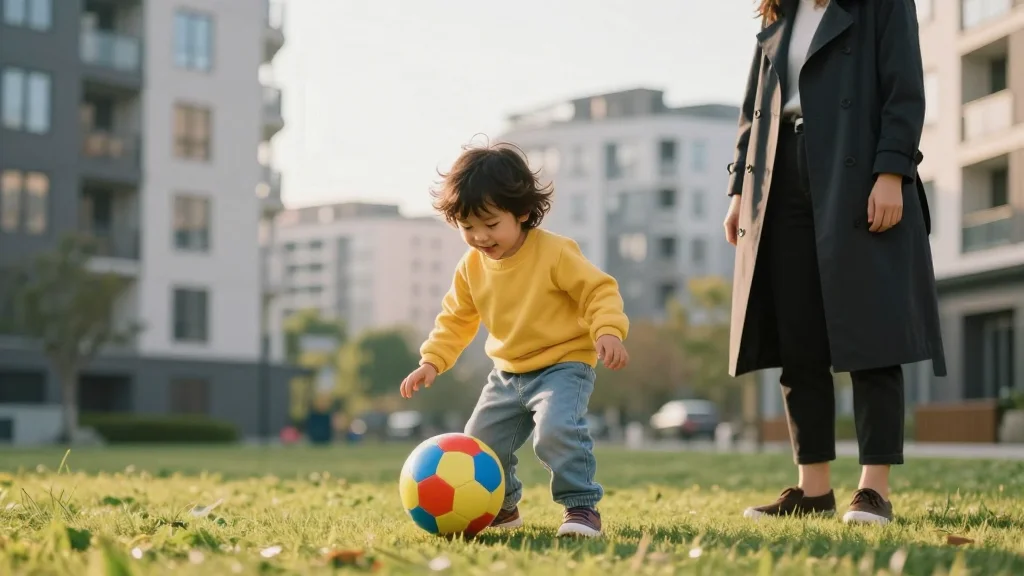
Kids Need to Play — and How Cities Are Designed and Resourced Affects Their Access
Decades of research confirm that early‑child play drives mental health, cognitive and social gains, yet urban pressures are eroding everyday access. Traffic, dense housing, safety concerns and uneven resource distribution limit spontaneous outdoor play, especially for marginalized families. Structured programs...

I Taught My 3-Year-Old to Dress Herself. She's Now a Confident and Outgoing 5-Year-Old.
The author taught her 3‑year‑old daughter to dress, brush teeth, and handle basic tasks before the arrival of a second child. Over 15 months the child mastered self‑dressing, personal hygiene, and snack preparation, freeing the parents during newborn care. By...

Building Strong Communication Skills Through Early Intervention
Early intervention programs that blend speech therapy, behavioral strategies, and parent coaching are shown to accelerate communication skill development in children. By identifying language or social delays promptly, families can access structured services that target both expressive and receptive abilities....

The Question a Psychologist Says Every Parent Should Ask Before Booking Another Activity
Psychologist Dr. Maryhan Baker warns parents that the rush to fill schedules with extracurriculars is driven by comparison, not child need. She proposes a "reverse‑engineering" method: start by envisioning the adult you want your child to become and work backwards....
:max_bytes(150000):strip_icc():format(jpeg)/GettyImages-1345021643-dcf0dedf5a594fd498a3210ba1a6466c.jpg)
11 Signs Your Child May Be Too Competitive—And How to Help
The article outlines eleven warning signs that a child may be overly competitive, from constant bragging to avoidance of new challenges. It cites experts who link excessive competition to stress, anxiety, burnout, and even substance misuse. Data from the American...

To Improve Children’s Mental Health, Start by Supporting Their Parents
Australia’s children face a growing mental‑health crisis, with about 13.9% of 4‑17‑year‑olds diagnosed with a disorder. A decade‑long study of 5,501 kids found 10‑15% develop severe, persistent anxiety or behavioural issues, often by age five. The research shows home‑environment factors—parental...

Does an Infant's Body Fat Relate to Cognitive and Motor Development?
Northeastern University researchers presented preliminary data showing that infants with higher lean (fat‑free) mass scored better on the Bayley Scales of Infant and Toddler Development, while greater fat mass correlated with lower cognitive and fine‑motor scores. The study measured body...

Most Parents Manage Their Kids' Social Lives. I Expect My 8-Year-Old to Do It Himself.
A mother recounts how her 8‑year‑old son independently uses a landline to call classmates and arrange playdates, a habit he’s maintained since age six. She emphasizes that this self‑directed social scheduling builds his confidence, phone etiquette, and sense of responsibility...
:max_bytes(150000):strip_icc():format(jpeg)/PARENTS-kid-is-hard-on-themself-da7bcb2f51a74319abbe6ae56b8799da.jpg)
7 Signs Your Child Is Being Too Hard on Themselves, According to Therapists
Therapists Sarah Kipnes and Jocelyn Bibi explain why children become overly self‑critical and list seven warning signs. They point to temperament, home environment, anxiety, peer pressure, and social media as key drivers. The piece offers concrete parental tactics—modeling self‑compassion, reframing...

Fatherhood Is a Protective Factor, But Only When Safety Leads
The article argues that fatherhood can be a powerful protective factor for children, but only when safety and accountability are prioritized. It calls for a nuanced, father‑inclusive framework that evaluates the quality of father involvement rather than assuming any presence...

Why Many Women Cannot Make Enough Breast Milk
In wealthy nations about 90% of new mothers start breastfeeding, yet roughly a quarter abandon it within weeks, often fearing they lack enough milk. For decades clinicians have believed true physiological insufficiency affects no more than 5% of mothers. Health...

My Mommy, My Superhero
Former Department of Budget and Management secretary Amenah F. Pangandaman paid tribute to her mother, Nancy "Mommy Olay" Pangandaman, describing her as a quiet superhero whose daily acts of love shaped Pangandaman’s values. The piece references Pangandaman’s recent honors—a Feb. 20, 2025...

Helping Your Child Approach Anxiety, Bullying, and Identity
The article highlights the growing prevalence of bullying, especially cyberbullying, among U.S. teens, citing that 20% experience traditional bullying while almost 60% face online harassment. It notes that 39% of young people link bullying to heightened anxiety about future decisions....
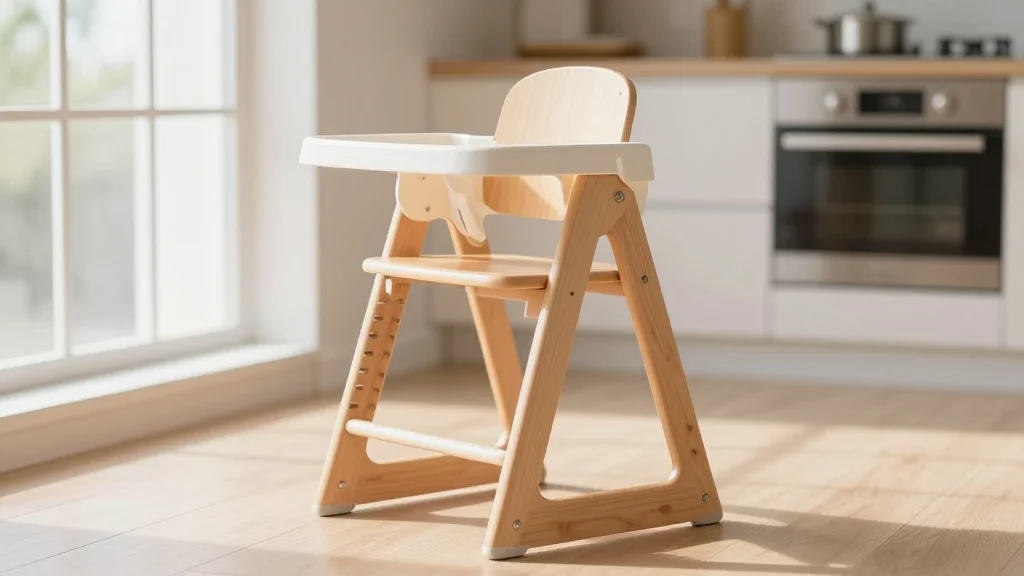
Childminders Could 'Disappear Within a Decade' Unless Government Steps in, New Report Warns
A Coram PACEY report released for Childminding Week 2026 warns that without urgent government action, childminders in England and Wales could vanish within a decade. The number of registered childminders has already dropped to about 24,990 in England and 1,043...

Forget Holiday Clubs: Parents Get 'Free Childcare' On Trips – Thanks to Grandparents Coming Along
British families are increasingly turning holidays into three‑generation trips, a trend Hilton calls “Gran‑ual Leave.” A new Hilton study finds 69% of UK grandparents have taken multi‑generational vacations in the past year, with 20% of children traveling exclusively with a...

It’s Supposed To Be Difficult
The article argues that parents increasingly shield children from challenging ideas, literature, and history, fearing discomfort rather than fostering growth. It cites George Saunders’s anecdote about a teacher’s Ambrose Bierce unit being removed after parental complaints, highlighting a broader trend...

How To Teach Kids To "Read The Room" & Have Situational Awareness
A Reddit parent asked how to teach a 5‑year‑old to "read the room" without yelling. The article defines situational awareness as sensing the emotional vibe of a space and explains why it matters for empathy and parental sanity. It then...
:max_bytes(150000):strip_icc():format(jpeg)/TAL-family-road-trip-illustration-ONTHEROAD0623-ff4b4d2d0dfa4f2a83b81d03a7b2ce5d.jpg)
Mastering Screen-Free Road Trips: A Dad’s Kid-Friendly Tips
Travel + Leisure’s June 2023 feature shows how a family of four can enjoy long road trips without relying on in‑vehicle screens. The author recommends hands‑on activities such as Crayola Twistables, magnetic boards, and classic Etch A Sketch toys, alongside travel bingo and alphabet games...
:max_bytes(150000):strip_icc():format(jpeg)/PARENTS-mom-and-kids-on-screen-01607ff2f9f74bd2aed578a8c2867777.jpg)
How To Set Healthy Screen Limits for Your Family (Starting With Yourself)
Experts stress that parents must model healthy screen habits before imposing limits on kids. Research shows excessive use—over seven hours daily—can trigger digital eye strain and mental fatigue, while the American Academy of Pediatrics recommends no more than one hour...

Beta Mums: They’re Messy, Chaotic and Nowhere Near Instagram
The article introduces the "Beta Mum" archetype, a parenting style that rejects helicopter‑parenting in favor of a relaxed, low‑maintenance approach. Beta Mums let children manage homework, leisure and mistakes while keeping households intentionally messy. The shift is linked to a...

Kids of All Ages Need Regular Recess, Pediatricians Group Says in New Guidance
The American Academy of Pediatrics (AAP) issued its first recess policy update in 13 years, urging schools to protect unstructured play time. The guidance responds to a trend where up to 40% of districts have cut or eliminated recess, despite...

Raised to Have No Emotional Needs?
The article explains how childhood emotional neglect (CEN) teaches children to suppress or hide their feelings, often unintentionally by well‑meaning parents. As adults, these individuals may fear being labeled “needy” and avoid expressing emotional needs. Recognizing that emotional needs are...
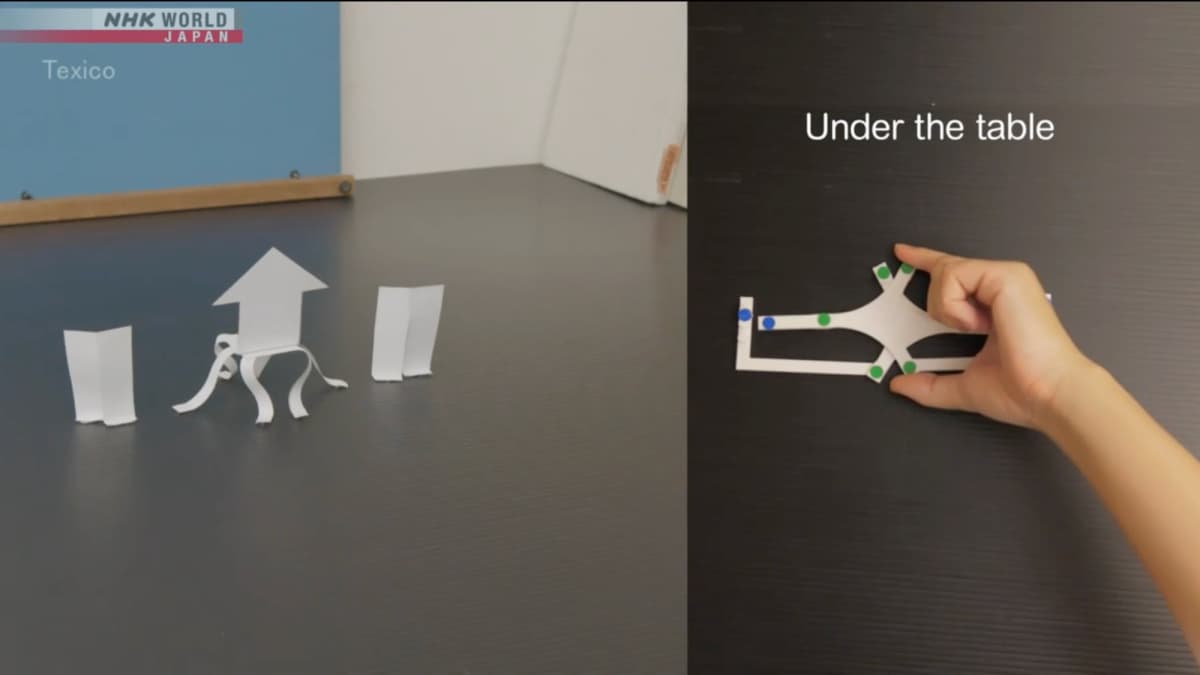
Game Teaches Kids Programming Basics without Screens
Japanese public broadcaster NHK launched "Texico," an 11‑minute series that teaches core programming concepts using paper, plastic toys and everyday objects. Each episode breaks down ideas such as analysis, abstraction, and simulation without a computer, offering a screen‑free alternative for...

Children Are Apprentices
A new essay argues that overprotective parenting—coined Overprotective Childhood Experiences (OCEs)—is eroding children’s resilience across the English‑speaking world. Recent data show rising school‑avoidance, persistent absenteeism and declining wellbeing among British youth. The author links these trends to a cultural shift...
A Therapist Explains What To Do When You Kid Makes A Mistake
Therapist Lia Avellino advises parents to pause and connect with their own emotions before correcting a child’s mistake. She recommends replacing immediate judgment with curiosity, using natural consequences, and prompting critical‑thinking questions to build self‑awareness. Avellino also stresses timing feedback...

Japan’s Late-Night Cafes Open Doors to Soothe Mothers of Crying Babies
Late‑night cafés are emerging across Japan to give mothers a safe, free space when infants cry through the night. Inspired by a 2023 manga, venues like Oyako no Koya in Hokkaido stay open from 9 p.m. to 6 a.m., offering mats, breastfeeding...
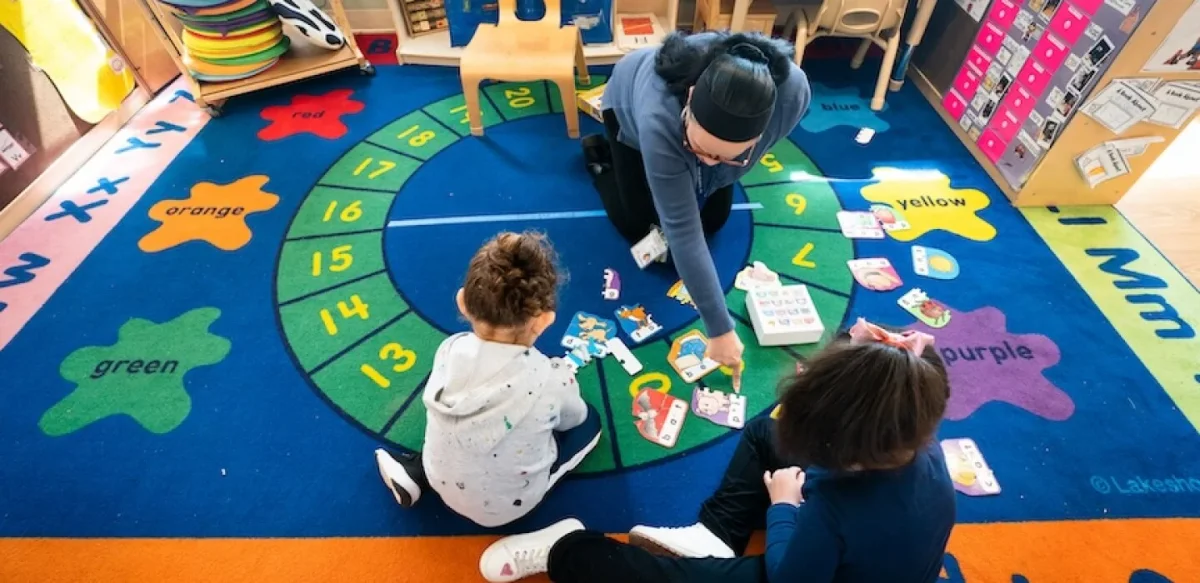
New Mexico’s Game-Changing Approach to Child-Care Affordability
New Mexico has become the first U.S. state to promise no‑cost child care for all families, eliminating income caps by the end of 2025. The initiative is funded by an $11 billion Early Childhood Education and Care Fund, sourced from surplus...
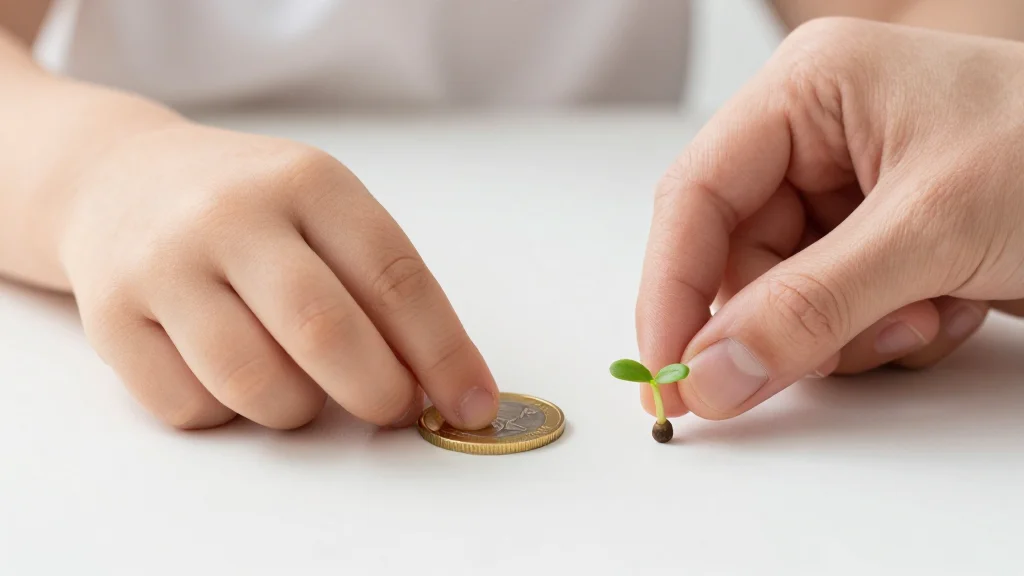
Poppi's Cofounder on Why She Put $5,000 in Each of Her Children's Investment Accounts
Poppi co‑founder Allison Ellsworth opened three Fidelity brokerage accounts, depositing $5,000 for each of her children aged four, seven and nine. The kids have already bought blue‑chip stocks such as Apple, Microsoft and even PepsiCo, and the accounts have lost...

Matthew McConaughey's Mom, 94, Says an Old-School Parenting Style Helped Her Raise 'Loving and Productive' Men
Kay McConaughey, 94, told Southern Living that she raised her three sons on a single, non‑negotiable rule: be consistent and obey household rules until age 18, after which they were free to choose their own path. She credits this old‑school...
:max_bytes(150000):strip_icc():format(jpeg)/GettyImages-2202998274-c47681a6fe824aa4b4def76414f65438.jpg)
6 Money Skills Gen Z Wishes Their Parents Had Taught Them
A recent Intuit survey of 1,000 Gen Z adults revealed that 60% feel their formal education left them unprepared for basic money management. The report highlights six financial skills they wish they’d learned earlier: investing, credit use, tax filing, budgeting, side‑hustles,...
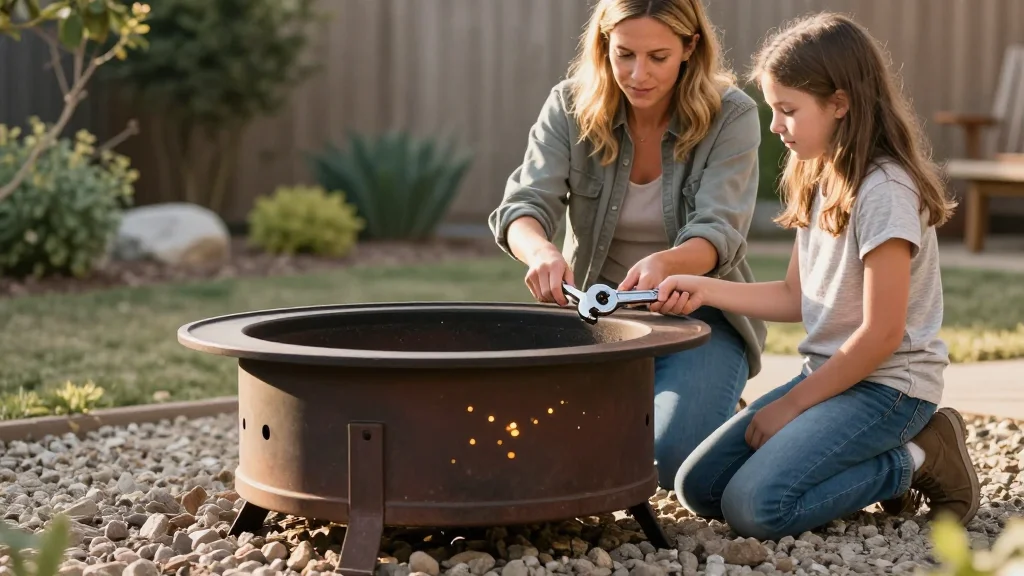
While Other Moms Carried Their Kids' Backpacks, I Handed Mine a Wrench. It Taught Her Independence.
A single mother let her 9‑year‑old daughter assemble a backyard fire pit using a wrench, turning a holiday gift into a lesson in self‑reliance. The author credits early, age‑appropriate responsibilities for shaping her daughters into confident, capable young adults. Drawing...

Total Bans Are Actually Terrible Ways To Get Kids (Or Adults) Off Screens
Australia's December 2025 ban on under‑16 accounts across major platforms aimed to shield youths, but early surveys show limited compliance. Researchers Bursztyn and Sunstein argue the ban fails because it cannot overcome network effects and FOMO, preventing a tipping point...

Weaning Your Baby? Discover the 'Super 6' Foods that Could Help Their Gut Health
Dr. Megan Rossi, a gut‑health scientist, explains that the foods introduced during weaning can steer an infant’s microbiome. She groups plant‑based foods into six categories—vegetables, fruits, wholegrains, legumes, nuts/seeds, and herbs/spices—calling them the “Super Six.” Small, fiber‑rich portions of legumes...

Orangutan Moms Are the Tradwives of the Animal Kingdom. Their Job Is Easier for a Key Reason.
The article likens solitary orangutan mothers to traditional‑wife roles, noting they raise infants alone and space births about seven years apart. It expands to show that many species—marmosets, tamarins, white‑winged choughs, daffodil cichlids, and meerkats—depend on cooperative breeding, where non‑parental...

Mother’s Day 2026: Isha Koppikar Says She Wants Daughter Rianna to Achieve Her Dreams Independently
On Mother’s Day 2026, Indian actress Isha Koppikar posted a video urging her daughter Rianna to chase her dreams independently and develop emotional self‑reliance. She questioned whether parents send mixed signals by promoting autonomy while still expecting a future caretaker...

Teach Gen Z the Power of Money
Financial journalist Salve Ibañez uses her Mother’s Day essay to argue that teaching Filipino Gen Z about money requires a values‑first approach. She highlights the generation’s 41 million size, their blend of idealism and pragmatism, and the failure of the old “save...

Divorced From Reality? Japan’s Joint Custody Reform Divides Parents
Japan amended its Civil Code on April 1, 2024 to allow joint custody after divorce, ending a system that forced sole custody on one parent. A Mainichi poll shows 53 % support and only 10 % opposition, but family‑law experts warn the reform...

Intense Crying in East-Asian Infants May Reflect Cultural Norms, Not Insecure Attachment, Study Suggests
A new cross‑cultural study published in the International Journal of Behavioral Development finds that Korean and Japanese infants cry significantly longer than U.S. and Czech peers during the separation phases of the Strange Situation Procedure. The heightened distress appears only...
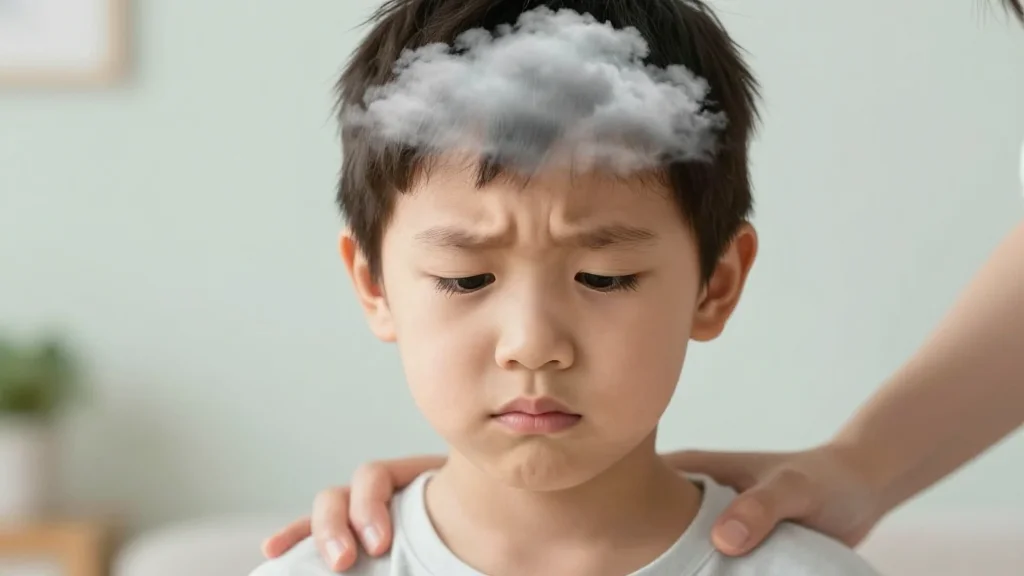
Emotional Dysregulation at Age 7 Linked to Anxiety and Depression in Teenagers
Researchers at the University of Edinburgh found that children who struggle to regulate emotions at age seven are more likely to develop anxiety and depression throughout adolescence. Using the UK Millennium Cohort Study, they tracked 6,394‑11,178 participants and applied counterfactual...

For Mean Moms
The essay reflects on the paradox of “mean moms,” arguing that strict, disciplined parenting—often perceived as harsh—actually cultivates honesty, responsibility, and long‑term character. It uses personal anecdotes to illustrate how boundaries, truth‑telling, and occasional disappointment shape resilient adults. The piece...

My Grandmother Stepped in when I Needed Her. I Stepped up for Her Later.
The Business Insider feature recounts how the author’s paternal grandmother, Marion, stepped in as a guardian when the writer’s parents lost custody, and later the author became Marion’s primary caregiver as she entered her 90s. Marion fought for guardianship despite...
:max_bytes(150000):strip_icc():format(jpeg)/GettyImages-2167110589-a9871e2f21cd45628a0778bc7b302dc4.jpg)
Gen Alpha Kids Are Gaming More Than Ever—How to Protect Them From Online Predators
Gen Alpha, now the largest cohort of gamers, sees 79% playing weekly, while a quarter of youth have faced sexual solicitation on gaming platforms. Platforms such as Roblox, Minecraft and Fortnite have introduced parental controls and reporting tools, yet experts...
The End of Helicopter Parenting
The Wall Street Journal highlights a cultural shift from intensive "helicopter" parenting to a more relaxed "beta mom" approach, where parents scale back extracurricular overload and let children set their own schedules. This change reflects a growing emphasis on parental...

‘It’ Star James Ransone’s Wife Gets Real About Raising Children Alone After His Death
Jamie McPhee, widow of actor James Ransone, who died by suicide in December 2025 at age 46, is publicly sharing her experience as a single mother to their 7‑year‑old son Jack and 4‑year‑old daughter Violet. On Jack’s birthday she posted...
:max_bytes(150000):strip_icc():format(jpeg)/GettyImages-2178408329-b8190486428a4aa7acb3357954db6bf2.jpg)
This Mom Makes a Compelling Case for More Free Play—Here's What Experts Think
Parents are enrolling children in more extracurriculars, but pediatric nurse practitioner Mary Catherine warns that early overscheduling can cause stress and health issues. Experts Dr. Zishan Khan and Dr. Ulrick Vieux confirm that chronic over‑commitment leads to anxiety, sleep disturbances,...

'I Picked up My Daughter's School Blazer and Something Felt Wrong – Then I Found 20 Lollipops'
A UK mother discovered 20 lollipops hidden in her teenage daughters' school blazer, revealing the extent of sweet‑based reward systems in a secondary school. While the children saved the candy, the parent questioned the practice’s alignment with nutrition education and...

‘They Won’t Eat Anything’: What to Do when Weaning Doesn’t Go to Plan
Health visitor Tracey Stone explains that weaning typically begins around six months, when babies can sit up, coordinate feeding movements, and swallow solids. She emphasizes that rejecting foods, needing multiple exposures, and fluctuating appetite are normal parts of learning new...

The First Playgrounds Were for Adults, Not Kids
The modern children’s playground emerged in 1840s England when urban parks began allocating specific areas for recreation, but those early sites were more akin to public gyms than play zones. Influenced by German education reformers and Victorian health concerns, equipment...