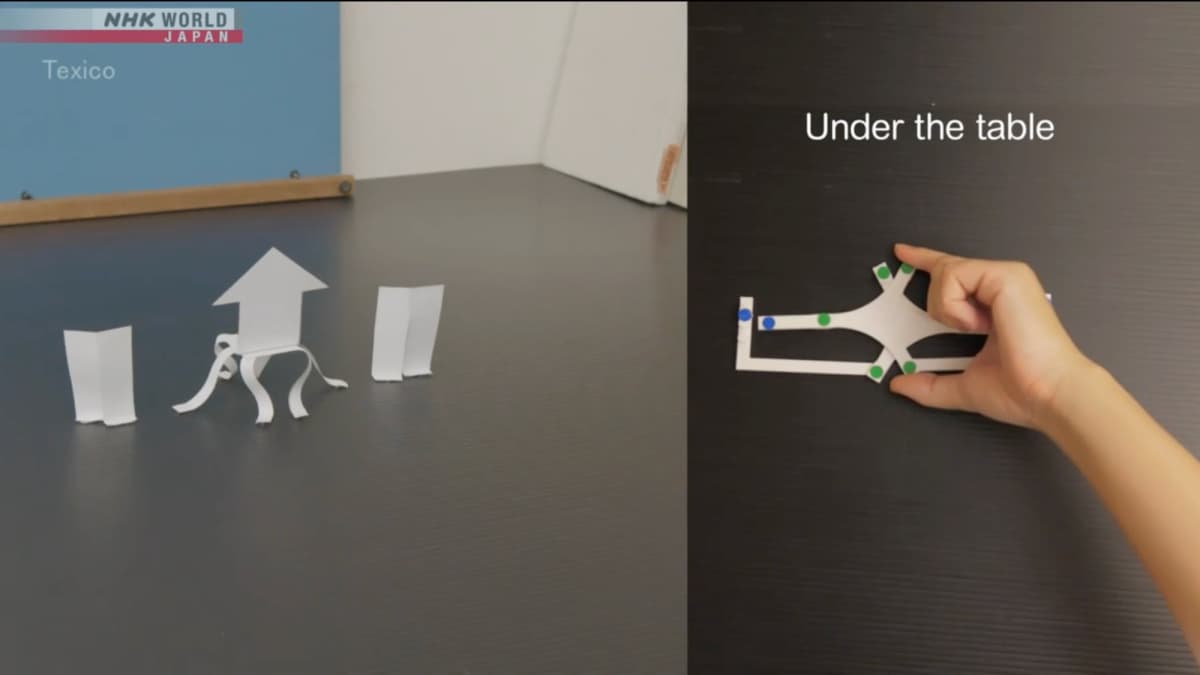
Game Teaches Kids Programming Basics without Screens
Companies Mentioned
Why It Matters
Screen‑free coding instruction addresses growing health concerns and aligns with school policies limiting device use, potentially reshaping early STEM education.
Key Takeaways
- •NHK's Texico uses toys to teach programming concepts offline.
- •Episodes are 11 minutes, covering analysis, abstraction, simulation.
- •Program targets children, avoiding screen exposure amid rising screen‑time worries.
- •Analog puzzles reinforce logical thinking, mirroring coding mental models.
- •School policies limiting devices increase demand for screen‑free curricula.
Pulse Analysis
Parents and educators are grappling with mounting evidence that prolonged screen exposure can impair sleep, increase anxiety, and stunt cognitive development in children. Studies cited by Popular Science and YouGov show that more than half of American adults spend five or more hours daily in front of screens, prompting a cultural shift toward digital moderation. NHK’s Texico series taps into this momentum, delivering concise 11‑minute episodes that replace pixels with tangible objects—toy trains, paper sheets, and plastic tracks—to illustrate programming fundamentals without a single click.
The pedagogical value of analog coding lies in its demand for physical manipulation and mental simulation. When children tear a sheet of paper into nine pieces and identify the center by shape, they practice pattern recognition and spatial reasoning—skills directly transferable to algorithmic thinking. Research on handwriting versus typing underscores a similar advantage: tactile engagement strengthens memory retention and neural pathways. By converting abstract code logic into concrete, hands‑on puzzles, Texico nurtures the same cognitive muscles that professional developers use, fostering early logical fluency without the distractions of a digital interface.
Texico’s timing coincides with a wave of legislative action limiting smartphones, laptops, and tablets in classrooms across more than 35 U.S. states. Districts in California and Oregon have already mandated pen‑and‑paper instruction for certain subjects, creating a market niche for screen‑free curricula. If the trend continues, broadcasters and ed‑tech firms may see a surge in demand for low‑tech, high‑engagement learning modules. Texico could serve as a prototype for future analog‑digital hybrids, offering a scalable blueprint that satisfies parental health concerns while meeting educational standards for early STEM exposure.
Game teaches kids programming basics without screens
Comments
Want to join the conversation?
Loading comments...