
Supporting Neurodivergent Children During Summer Break
The article highlights how the abrupt loss of school routines and therapeutic support during summer can increase anxiety and meltdowns for neurodivergent children. It recommends maintaining loose daily structure, visual schedules, consistent sleep and meals, and sensory-friendly breaks. The piece stresses balancing activities with downtime to let nervous systems recover. Ultimately, the goal is a regulated, connected child rather than a perfectly productive summer.

The Problem With Always Having the Answer
The author reflects on a habit of stepping in with answers for both children and team members, recognizing it stems from personal discomfort rather than necessity. By contrasting control‑driven interventions with coaching techniques, the piece outlines how over‑solving creates dependency...

How Play Helps Kids Learn And Protects Their Mental Health
Recent research consolidates the view that play is not a peripheral activity but a core driver of children’s learning and mental health. The American Academy of Pediatrics, UNICEF, and the LEGO Foundation cite evidence that play enhances cognition, language, emotional...
The Quiet Story You’ve Been Telling About Your Child
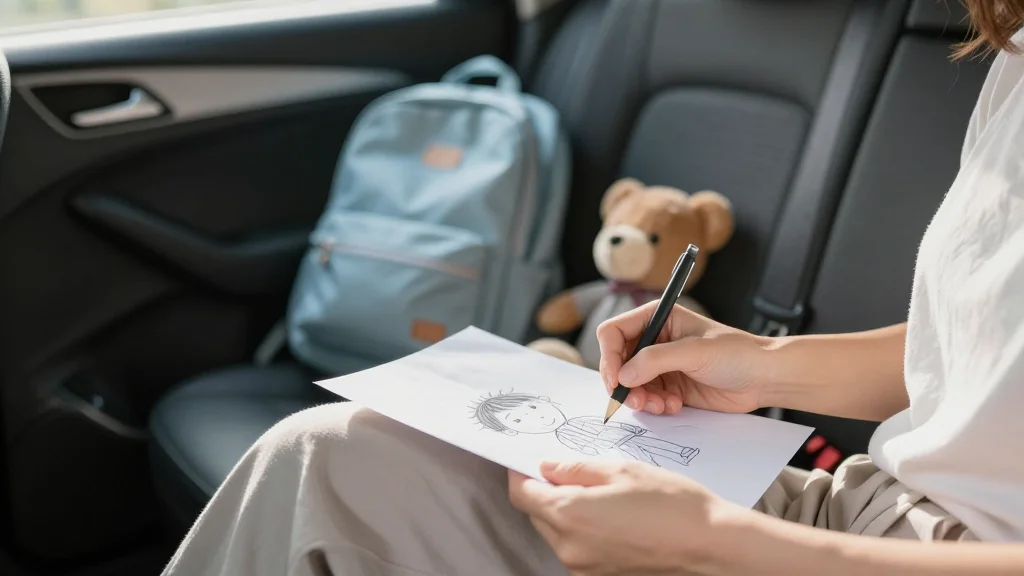
The article reveals how parents unconsciously create brief, often biased narratives about each child, shaping how they view and interact with them. These stories form early—sometimes before a child can speak—through subtle cues, temperament observations, and external influences. Over time,...

The Trigger Map — Why Do I Snap at My Kids?
A mother realizes her Sunday‑night snapping at her teens isn’t about the children but an old wound triggered by a weekly call with her own mother. By keeping a three‑week log she uncovered the pattern and moved the call to...

Do You Model Good Financial Behaviors For Your Kids?
The article stresses that parents must actively teach children money fundamentals rather than assuming they’ll learn on their own. It highlights a personal anecdote about a teen learning interest through a borrowed‑allowance experiment and introduces four core lessons: assigning a...

The Tireless Task of Matriarching
The author reflects on the passing of her grandmother, crediting her as the primary cultural catalyst who introduced New York arts, global travel, and a love of learning. Vivid memories of trips to the Bahamas in 1986 and Okinawa in 1982...

The Intelligence of Play: Seeing the Thinking Beneath the Doing
“The Intelligence of Play” argues that children’s seemingly simple activities are sophisticated cognitive investigations. Through observations of a classroom—blocks, painting, storytelling, and object arrangement—the author shows how kids formulate hypotheses, test them, and revise their understanding. The piece emphasizes that...

When Your Child Pulls Away on Mother’s Day
The post explores the quiet ache mothers feel when adult children pull away, a feeling that intensifies on holidays like Mother’s Day. It argues that frantic attempts to repair the rift often add pressure, deepening the distance instead of healing...

News Roundup, 5.9.26
CorporetteMoms’ weekly roundup curates recent stories that matter to working mothers, spanning education, reproductive choices, teen culture, and holiday gifting. Highlights include a New York Times piece on shrinking public‑school enrollments, an Elle interview with a prolific gestational carrier, and...

Your Kid Fidgets for a Reason (And It's Not ADHD)
The blog post, featuring New York Times bestseller Alyssa Blass Campbell, argues that children’s fidgeting is a sign of nervous‑system regulation, not misbehavior. It highlights that emotional regulation—rooted in nine sensory inputs—directly fuels problem‑solving, creativity, and academic performance. Campbell’s research...
The Medical Case for Teaching Kindness in Early Childhood Development
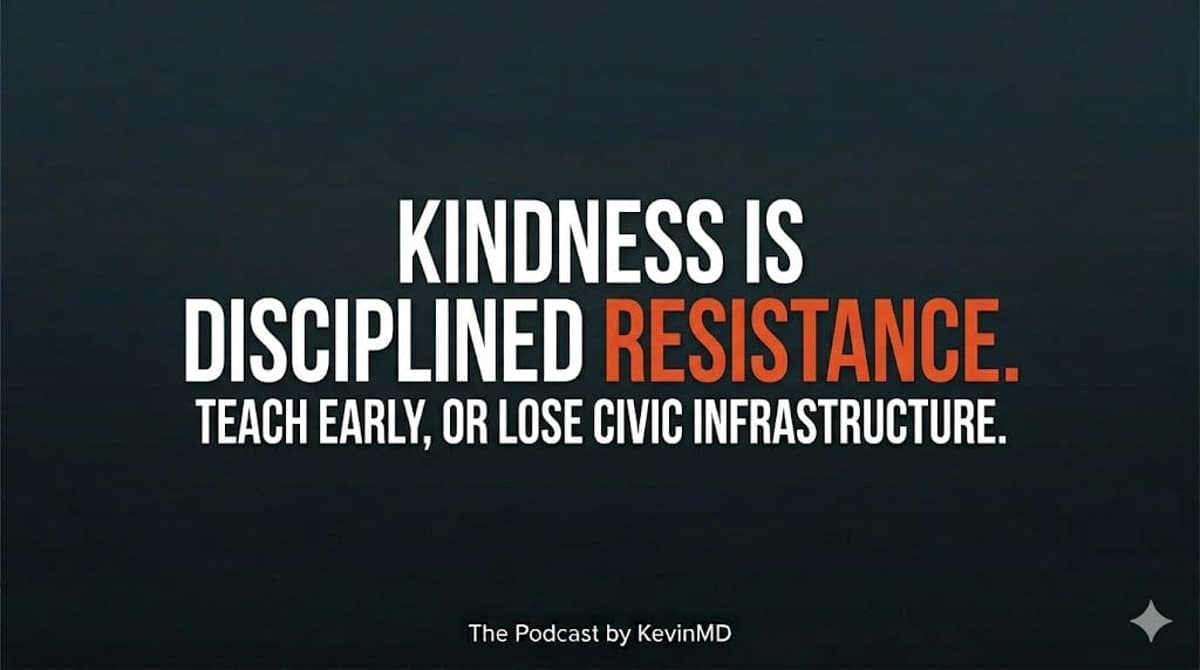
Physician Paul Dranichnikov argues that kindness is a skill that must be taught, not left to chance, because early childhood is the only period when neural pathways for empathy can be reliably shaped. He cites neuroscience showing that repeated prosocial...

Demand Avoidance: It's Not Just a Drive for Autonomy
The post argues that demand avoidance in teens is driven by anxiety, not merely a desire for autonomy. Parents often mistake avoidance for independence, granting unchecked freedom that reinforces avoidance behaviors. This cycle leads to stagnation, as children say no...

Parents Feel Most Lonely, Five Months After Having A Baby
A new Aldi‑commissioned study of 1,000 Scottish parents reveals that 53% experience loneliness after the birth of a baby, with the feeling peaking around five months when visits wane and partners return to work. More than half of mothers (56%)...

Legacy
Cara Stolen reflects on eight years of building a family ranch after securing a low‑interest USDA beginning‑farmer loan. The loan enabled the couple to expand from 16 Black Angus heifers to a herd of 75, while they taught their children...