
We Cleaned Up Childhood… and Something Broke
The article argues that the drive to keep children’s environments ultra‑clean has stripped away essential microbial diversity, a factor linked to rising rates of allergies, asthma and autoimmune disease. A pilot program in Finland rewired 43 daycare playgrounds with soil, moss and native plants, replacing plastic and rubber surfaces. Early measurements show children exposed to the “rewilded” settings carry fewer pathogenic skin bacteria, exhibit a gut microbiome shift toward less inflammation, and develop more regulatory T‑cells within weeks. The piece concludes that balanced exposure to natural microbes—not sterility—is crucial for building resilient immune systems.

The Great Filter
The author recounts a tense labor that ended in a healthy birth, using the experience to illustrate how fragile life can be. He contrasts his fortunate outcome with historical child mortality rates that once approached 50% before modern medicine. The...

Hostile Dependency and Estrangement
The article introduces the concept of hostile dependency, where estranged adult children remain emotionally attached to parents but express it through anger, criticism, and withdrawal. It outlines typical behaviors such as disproportionate criticism, fixation on past hurts, and conflict‑laden contact,...

What Actually Happens to Kids with ADHD - and Why Most Strategies Fall Short
The post explains that ADHD challenges stem from underdeveloped executive‑function skills, not laziness, and that this neuro‑developmental gap shows up differently at home and in school. Because most adults lack a brain‑based perspective, common strategies—charts, timers, reward systems—often fail to...

Baby Steps
A Canadian parent wants to help her 16‑year‑old daughter start investing before she can open a TFSA. The article explains that minors can contribute to a RRSP if they have earned income and file a tax return, and that parents...

How to Actually Help Your Kid Build Grit
The Future of Education podcast with Alpha School guide Carrington explains that grit is a skill that can be trained, not an innate trait. By treating resilience like a muscle, parents are urged to start with micro‑tasks—such as a ten‑minute...

The Dads Yearn for Community
A father recounts how his son’s football‑card collecting sparked a vibrant swapping community at Barcelona’s Mercat de Sant Antoni, drawing over 200 participants of all ages. The experience highlighted the educational value of informal economies and the social bonds formed...
ADHD Without Medication: What Actually Works
The post outlines a step‑by‑step, root‑cause protocol for managing ADHD in children without immediately resorting to stimulants. It highlights common mimics such as sleep loss, poor nutrition, screen overload, and hidden medical issues, and recommends targeted labs, dietary changes, and...

Simple Ways to Support Healthy Habits and Routines for Busy Families
The article outlines practical steps busy families can take to embed healthy habits into daily life, emphasizing consistent meal and sleep schedules, advance nutrition planning, and adaptable routines. It highlights how small, repeatable actions—such as pre‑preparing ingredients or integrating brief...

The Hidden Reason Your Home Feels Tense
The post argues that the tone of everyday conversation shapes a home’s emotional temperature, turning casual sarcasm and criticism into lasting tension. It urges parents to replace careless speech with deliberate, constructive language, using a seven‑day fast from negative remarks...

You Don’t Have to Like Your Ex to Be a Good Co-Parent
The article argues that effective co‑parenting does not require friendship with an ex‑partner, but rather maturity and a focus on stability for children. It outlines practical behaviors such as child‑focused communication, emotional composure, and respecting boundaries. The piece emphasizes that...
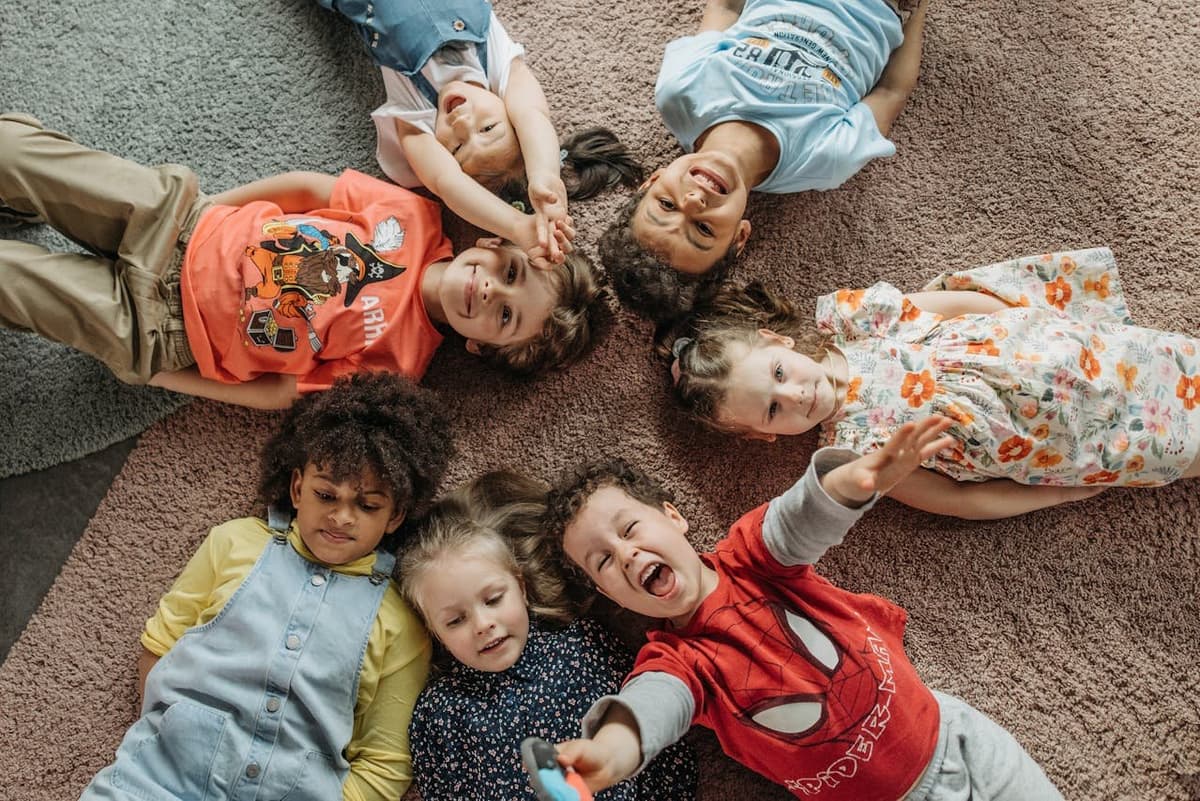
Simple Breathing Techniques to Help Kids Manage Anxiety and Big Emotions
Niraj Naik’s article outlines seven simple breathing exercises that help children manage anxiety, frustration, and overstimulation. By shifting from shallow, rapid breaths to slow, rhythmic patterns, kids can activate their parasympathetic nervous system and lower cortisol levels. The piece provides...

Tell Me About a Moment You Faced Blowback
Shannon Watts recounts a personal episode where a male podcast host questioned whether her child’s eating disorder stemmed from her busy schedule, exposing gender‑based blowback. She links this experience to broader patterns she observes in her Firestarter University class, where...
What Schools Are Required to Do for Students with ADHD (But Often Don’t)
The U.S. Department of Education’s 2016 Dear Colleague Letter clarifies that public schools must evaluate any student suspected of ADHD, regardless of grades or crisis. Eligibility for a 504 plan hinges on functional impact—how ADHD interferes with executive‑function tasks such as...
Confidence Is a Skill. Here’s How to Teach It to Your Daughter.
The post argues that confidence is a skill best taught through mastery experiences, not merely encouragement, and highlights Alpha School’s entrepreneurship workshops as a practical vehicle for building that skill in girls. Drawing on Albert Bandura’s self‑efficacy research, it showcases...

When You and Your Partner Disagree About Homeschooling
The post examines how disagreements between partners can turn homeschooling into a source of marital stress. It explains that when one parent controls the curriculum while the other feels responsible for execution, tension spills over to children. The author advises...

Turning Recess Into a Cultural Celebration
Amid heightened national conversations on diversity and belonging, an elementary school turned recess into a series of cultural celebrations. Nearly 50 parents organized craft, music, and storytelling activities during outdoor play, creating a joyful, inclusive environment. The initiative demonstrated how...

Teens and Socializing: How to Encourage More In-Person Connection in a Digital World
Teenagers are spending increasing hours on digital platforms, leading to a measurable decline in in‑person social interaction. This shift erodes essential skills such as empathy, conflict resolution, and confidence, while amplifying feelings of loneliness and social anxiety. Parents, educators, and...

Bonus Episode: Tweens, Teens, and Tech, Oh My
In a bonus episode titled “Tweens, Teens, and Tech, Oh My,” three moms explore the complex question of when children are ready for personal devices. They discuss the impact of technology on youth, the pressures of FOMO, and the balance...

Black. Single. Mother.: Sharing the Burden
The blog spotlights Jamilah Lemieux’s book, which compiles stories from Black single mothers describing the heavy caregiving load they bear. The author notes the contrast with single fathers who often handle only the “fun” aspects of parenting. Readers are prompted...

Homeschooled Kids Score 25 Percentile Points Higher Than Public School Kids
New data from the National Home Education Research Institute shows homeschooled students consistently score 15 to 25 percentile points higher than their public‑school counterparts on standardized tests. The performance gap persists regardless of parents' income or education level, and homeschooled...

Creative Ways to Spark Meaningful Conversations With Your Kids
Parents often wait for a formal “talk” moment, but meaningful dialogue with kids thrives in everyday settings like tying shoes or cooking together. By sharing personal anecdotes first, using imaginative prompts, and turning routine activities into conversation gold, parents lower...

Hunter-Gatherer Parents Are Masters of "Benign Neglect"
The article contrasts French parenting—characterized by low‑hovering, high authority and what the author calls "benign neglect"—with American styles that emphasize constant emotional validation. Drawing on observations in Paris and research on hunter‑gatherer societies such as the Hadza and !Kung, the...

How Can We Help Early Social Development?
The latest Neurosense podcast features child psychiatrist Jonathan Green discussing his research on early social development in autistic children. Green’s approach centers on parent‑mediated interventions rather than direct work with the child, teaching caregivers strategies to foster social skills. The...

What Kind of Paradise – Janelle Brown
Janelle Brown’s new novel, "What Kind of Paradise," hit shelves in June 2025 as a 544‑page print release from Diversified Publishing. The story follows Jane, raised in an isolated Montana cabin by a controlling single father, as she uncovers a...
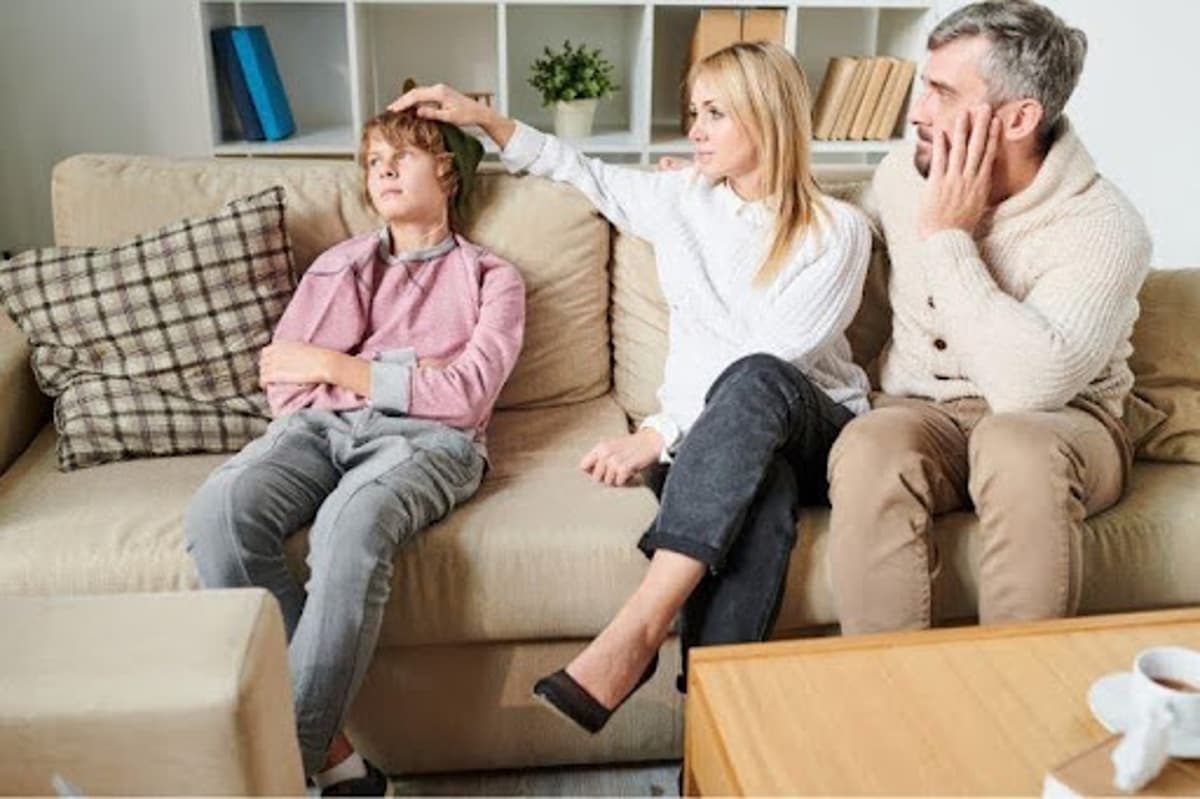
What Modern Parenting Gets Wrong About Focus and Attention
Modern parenting often treats focus as a simple behavior problem, overlooking its complexity as a neuro‑developmental system. Experts such as Dr. Daniel Siegel and Dr. Adele Diamond stress that attention depends on brain maturation, sleep, nutrition, emotional safety, and the surrounding environment....

How to Put Parental Controls on an iPhone
A parent shares a step‑by‑step guide for configuring iPhone Screen Time and Content & Privacy restrictions after gifting a teen her first smartphone. The tutorial covers nightly Downtime, app‑download blocks, individual app limits, web‑content filtering, and a dedicated parental‑control passcode....

How to Teach Kids to Evaluate Information (Before AI Teaches Them Not To)
The post warns that today’s children encounter AI‑generated answers that sound authoritative but lack citations, making it harder for them to discern truth. It draws on the Association of College & Research Libraries’ six‑frame information‑literacy framework and the library practice...
Why Your Child Doesn’t Want Your Advice (Even When They Come to You)
The post explains why pre‑teens and teens often reject parental advice even after sharing a problem. It argues that children are usually looking to process emotions rather than receive solutions, especially those with ADHD or executive‑function challenges. The author recommends...
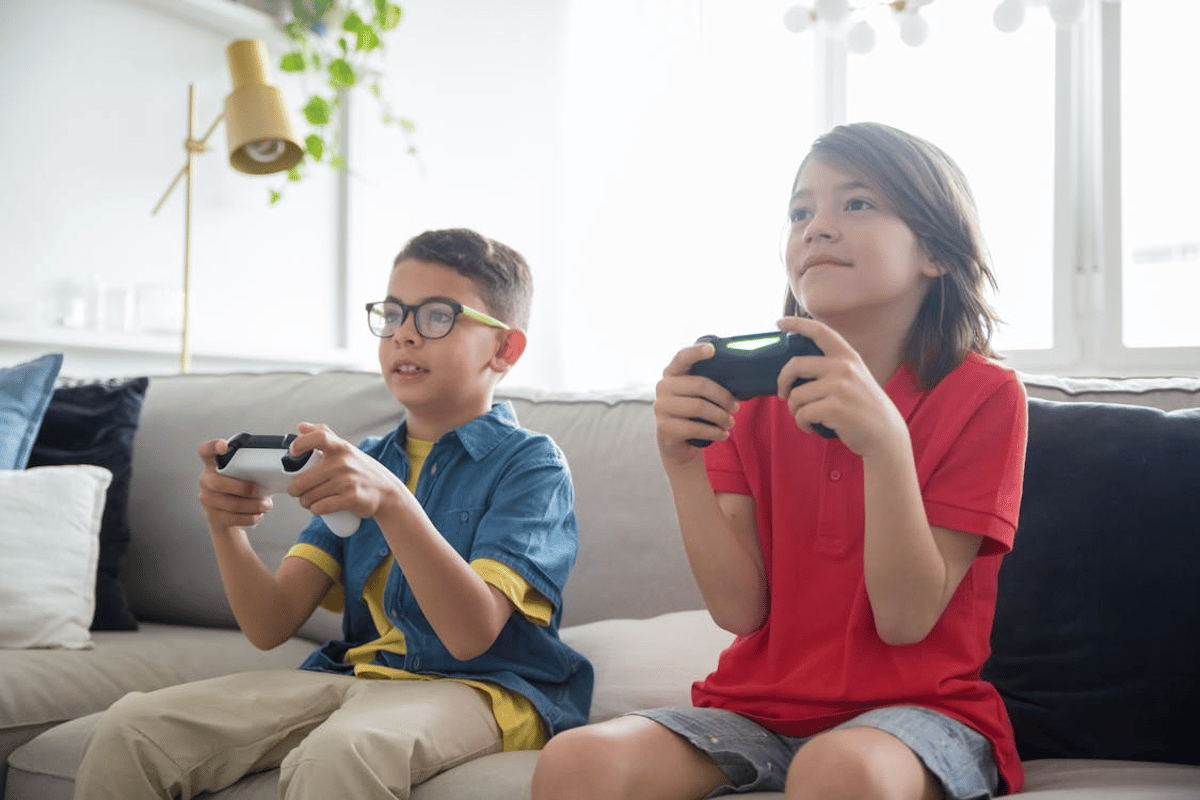
How Can Parents Teach Kids Healthier Gaming Habits?
Parents are increasingly tasked with shaping healthier gaming habits as children spend more time on consoles and PCs. Simple interventions—regular stretching, ergonomic seating, and mindful snacking—can curb posture problems and excessive junk‑food consumption. The article outlines practical steps, from quick...

Why Kids Lie (And What to Do About It)
The article explains that children’s early false statements are more a product of egocentric development than deliberate deceit. As kids reach ages four to five, their emerging perspective‑taking abilities enable more sophisticated lies, which research links modestly to cognitive maturity....
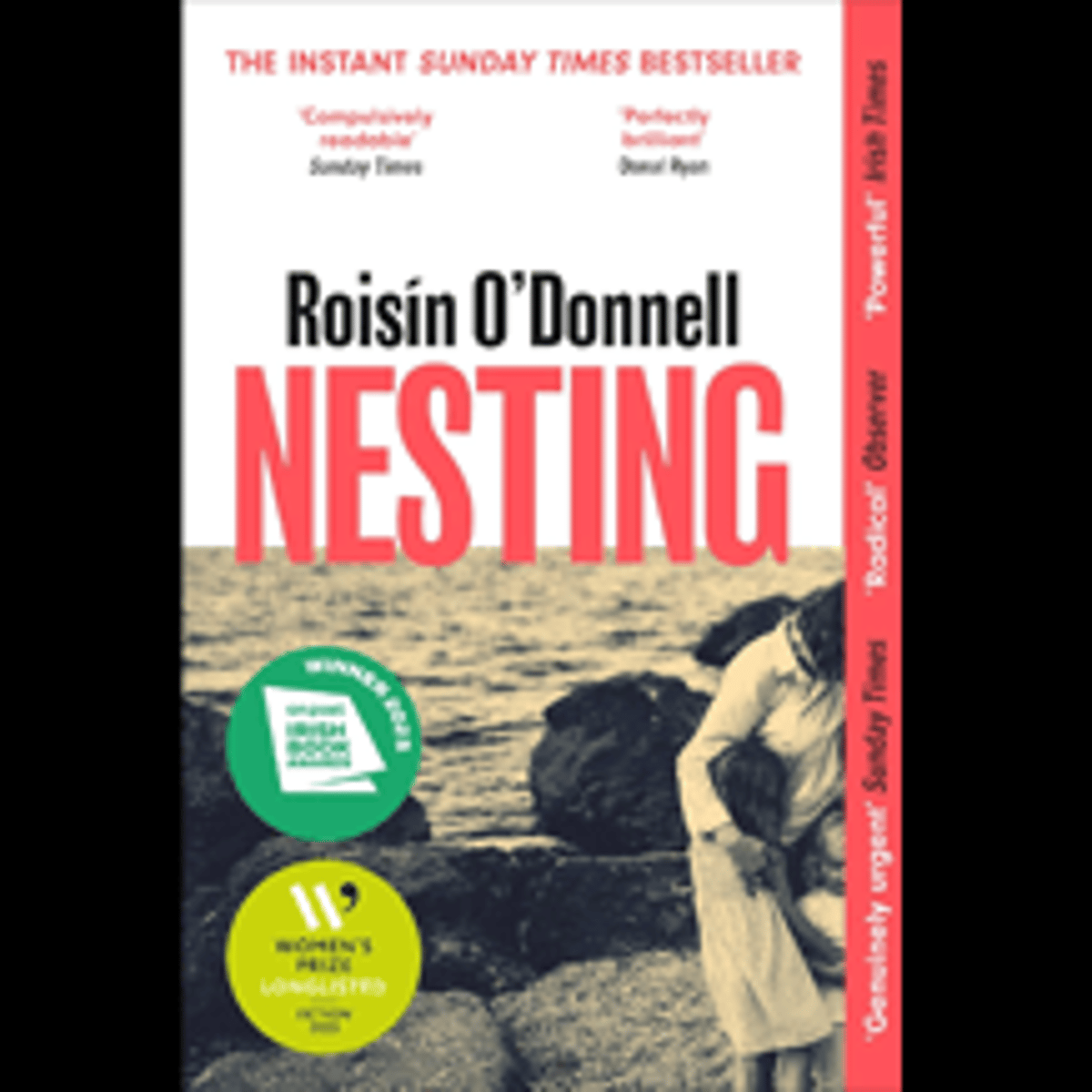
Nesting – Roisin O’Donnell
Roisín O’Donnell’s debut novel *Nesting* follows Ciara Fay as she escapes an emotionally abusive marriage in Dublin, taking her two young daughters and confronting a broken social‑housing system. The narrative details her stay in a women‑only hotel shelter, the isolation...

The Truth About Sensory Processing Disorder
The Connected and Capable podcast host Alisha Grogan, a pediatric occupational therapist, explains that sensory processing disorder (SPD) is not an official DSM‑5 diagnosis, which limits insurance reimbursement for treatment. She describes how sensory processing involves eight senses, including three...

Why Good Learning Habits Often Start With Family Routines
Good study habits begin at home, where family routines provide the structure children need to develop organization, focus, and time‑management skills. Consistent daily practices—like set meal times, bedtime, homework periods, and screen limits—create predictability that reduces mental noise and emotional...

Three Children, One Worm, and a Powerful Reminder that Children Are Natural Theorists
A rainy playground scene turned into a teachable moment when three children—Mateo, Ava, and Lila—offered distinct explanations for why a worm surfaced after rain. Their spontaneous theories mirrored scientific reasoning, echoing Alison Gopnik’s “theory‑theory” that children naturally construct and test...

Screens Are Rewiring How Kids Think
A growing body of research shows that pervasive screen use is reshaping children’s cognitive habits. Short‑form video platforms condition rapid attention shifts, while prolonged exposure can erode deep‑reading and problem‑solving skills. Parents often rely on devices as pacifiers, creating early...

Should You Give Your Child Melatonin? What the Research Actually Says
Melatonin supplement sales in the United States surged from $285 million in 2016 to $821 million in 2020, reflecting a sharp rise in pediatric use. A recent survey indicates that roughly one in five school‑aged children received melatonin in the past month....

News Roundup, 4.17.26
The CorporetteMoms news roundup curates recent articles aimed at working mothers, covering workplace accommodations for pregnant employees, parental‑leave scheduling tips, health trends like cold‑plunge benefits during menopause, child‑behavior strategies, and a Louisiana bill that shifts special‑education justification to schools. It...

4 Steps to Take After Buying Your Teen’s First Car
Parents who purchase a teen’s first car face a mix of excitement and anxiety. The article outlines four post‑purchase steps: securing appropriate insurance, adding safety or tech upgrades, reviewing the owner’s manual together, and educating the teen on ongoing car‑related...

Early Warning Signs Your Child Might Need Braces
Early orthodontic signs in children range from obvious crowding or gaps to subtle habits like mouth‑breathing and thumb‑sucking. Dental experts recommend a baseline evaluation by age seven to catch alignment, bite, or jaw issues before they worsen. The article outlines...

Myth: Mothers Automatically Get Custody
A recent article dispels the myth that mothers automatically receive custody in Australian family law, emphasizing that courts base decisions on the child’s best interests, not gender. It outlines the factors judges consider, such as safety, parental involvement, and stability....

What Social Media Is Quietly Teaching Our Kids About Right And Wrong
Short‑form social media platforms reward content that provokes strong reactions, often by placing people in uncomfortable or exploitative situations. The article argues that this reward structure teaches children to equate attention with success, eroding empathy and reshaping their sense of...

I Can't Afford This. I'm Doing It Anyway
The author uses a weekend frisbee‑pull practice as a metaphor for deliberate repetition, arguing that stacking "reps" is the fastest path to mastery. He volunteers unpaid hours at a Colorado startup, treating the experience as a professional sandbox where he...
Your Kid’s Screen Time Is Worse Than You Think
The post warns that children’s screen use far exceeds pediatric guidelines, with toddlers averaging over two hours daily—a figure that rose sharply after the pandemic. It cites research linking excessive screen time to shorter, poorer‑quality sleep, lower developmental test scores,...
Is My Child’s Behavior Trauma or Something Else?
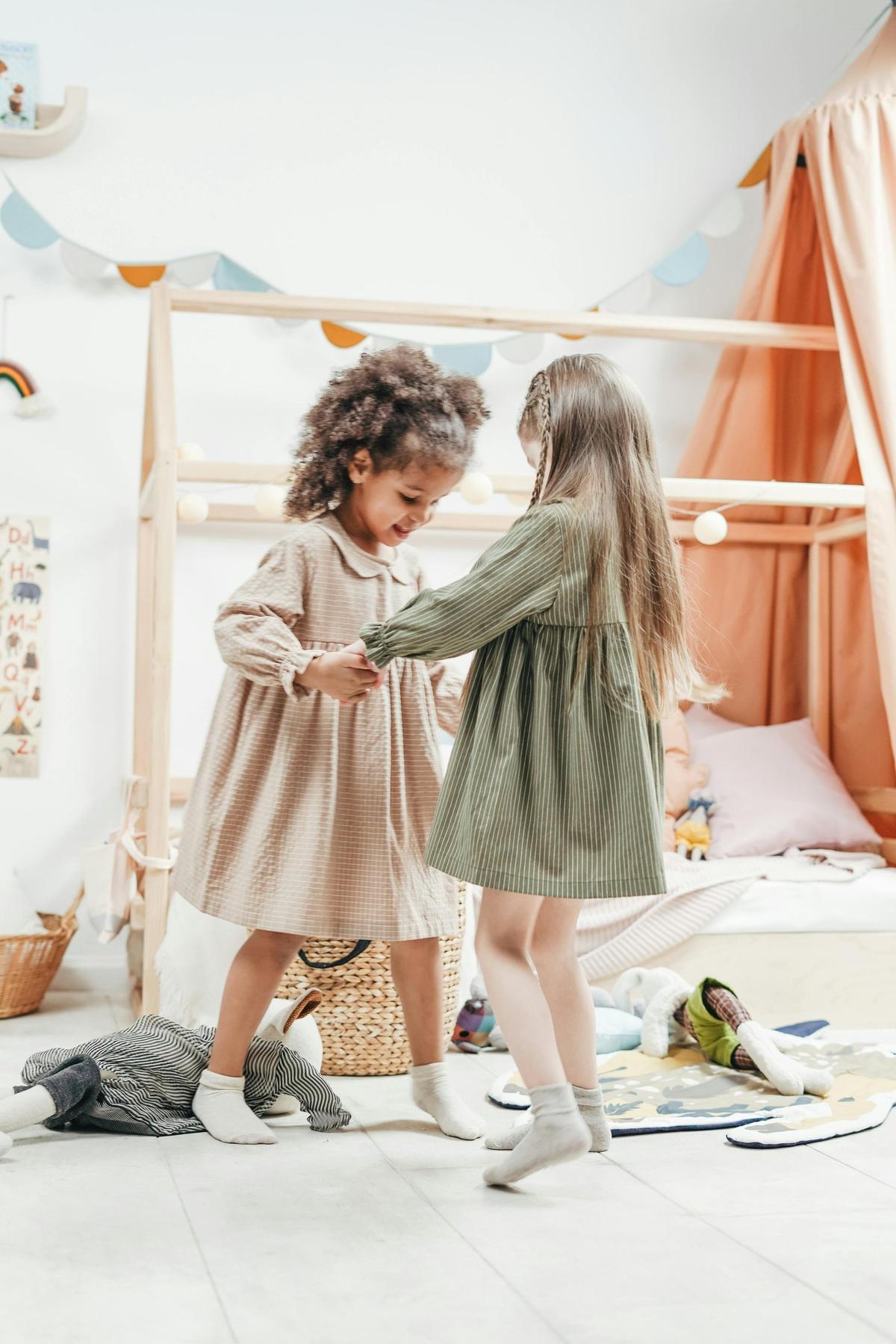
Parents often wonder whether a child's challenging behavior signals trauma, a developmental phase, or another issue. The article explains that trauma can arise from both acute events and chronic stressors, producing symptoms like intense emotions, sleep disturbances, and regression. It...
They Never Listen to Me
The post argues that children usually hear their parents but often disagree, so “not listening” is a mischaracterization. It challenges the assumption that listening equals compliance and suggests reframing the problem as a difference of opinion. By shifting from power‑over...

Ways to Build Strong Reading Comprehension Skills at Home
Reading comprehension is a cornerstone of literacy, yet many children lag behind due to distractions and complex texts. Parents can boost skills at home by asking questions, prompting retellings, and reading aloud together. Visual and interactive methods—such as drawing storyboards,...
Raising Digitally Confident Children
New research from the UK Information Commissioner’s Office shows three‑quarters of parents worry their children aren’t making safe online choices, yet one‑in‑five have never discussed digital privacy. In response, the ICO launched the “Switched on to privacy” campaign, backed by...

The Strong and Silent Type
The post “The Strong and Silent Type” examines a father’s lifelong habit of emotional suppression, portraying his stoic silence as a protective façade that alienates his wife and children. Through vivid baseball metaphors and biblical references, the author shows how...

Sabrina's Story - "I Did One Thousand Things to Get Her Out."
Sabrina’s teenage daughter Katie began identifying as non‑binary during the COVID‑19 lockdown, shortly after her father’s death. Sabrina initially tried using her child’s pronouns but soon set firm boundaries, cycling through therapists, schools, and intensive activities to address what she...