
Rise of Child Care Deserts in Texas Fuels Worry
A new Children At Risk report identifies 263 chronic child‑care deserts in Texas, with East Texas bearing the heaviest burden. These deserts—areas lacking regulated child‑care for three consecutive years—contribute to an estimated $9.39 billion annual economic loss and force parents like Courtney Bush to curtail work or rely on unpaid family care. State subsidies, despite a $100 million allocation, have been eroded by inflation, leaving many families without affordable options. Lawmakers have convened a task force to overhaul the system, but rural providers still face steep operational hurdles.
:max_bytes(150000):strip_icc():format(jpeg)/GettyImages-2178658556-3a0b0d9a6f4d43c9b3ed6b13a1bae41c.jpg)
How Many Toys Is Too Many? What Experts Recommend for Kids
Experts recommend a less‑is‑more approach to children’s toys, citing research that toddlers engage in higher‑quality play with just four toys instead of sixteen. The data suggests that too many options cause overstimulation and shorter play sessions. Minimalist tactics such as...
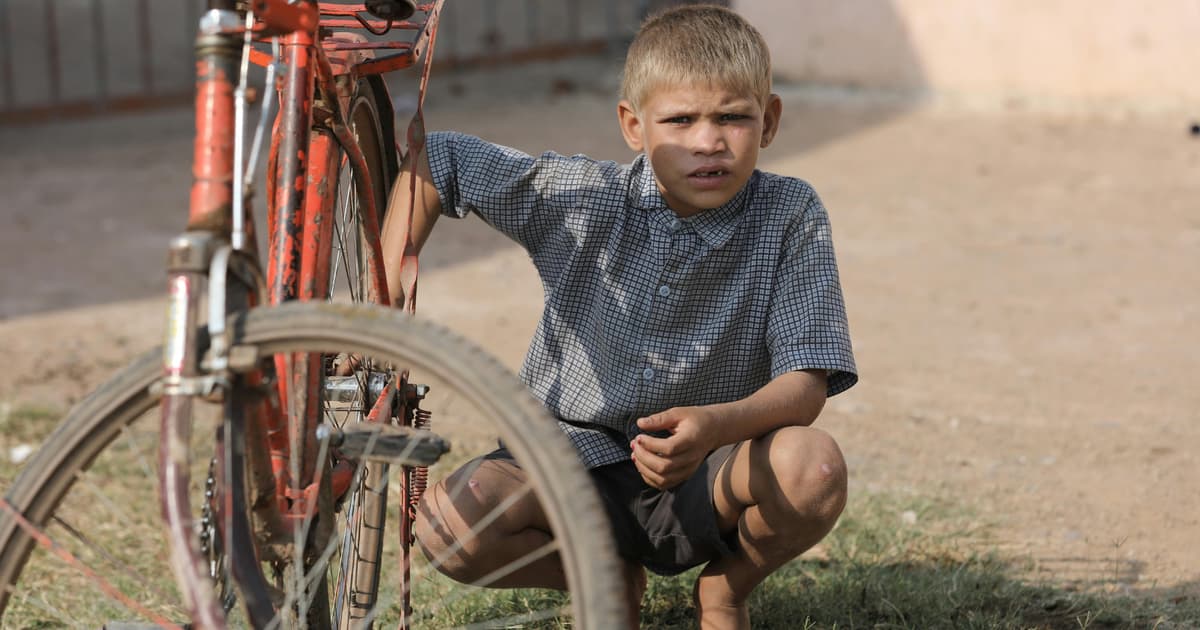
Psychology Says the Children of the 1960s and 70s Absorbed an Unspoken Rule No Later Generation Has Been Given Quite...
The article argues that children raised in the 1960s and 1970s internalized an unspoken rule: the world would not soften for them, adults had their own problems, and they had to figure things out themselves. This early self‑reliance was cultivated...

Mom: Your Daughter Is Becoming You (In Ways You Don’t Even Realize)
An 8th‑grade dance illustrates how a mother’s protective instincts can subtly signal insecurity to her daughter, shaping the teen’s self‑perception. The article argues that such well‑meaning interventions often transfer the parent’s fears, limiting the child’s confidence to navigate alone. By...

3 Ways Good Parents Can Traumatize Their Children
Recent psychological research highlights that even well‑intentioned, financially stable parents can inflict lasting harm through emotional neglect. The article explains how a lack of consistent emotional attunement—illustrated by the still‑face experiment and attachment theory—creates gaps that children internalize as loneliness,...
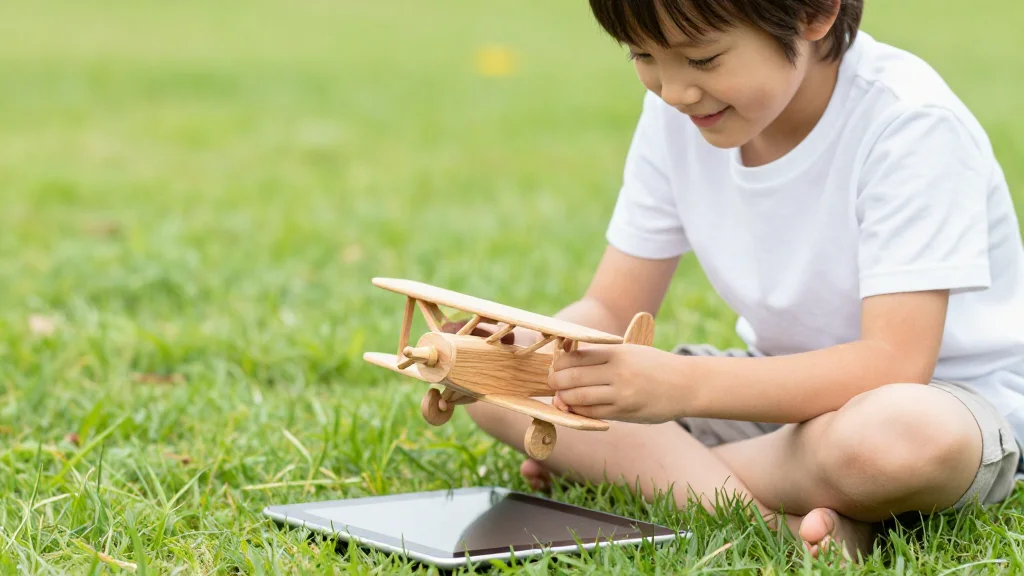
Several States — and the LA Public Schools — Are Setting Limits on Screen Time
The Los Angeles Unified School District voted unanimously to curb screen time for all grades, eliminating it entirely for elementary students starting this fall. The decision follows a wave of state legislation—Alabama, Tennessee, Utah and Virginia have already enacted measures...
:max_bytes(150000):strip_icc():format(jpeg)/GettyImages-2185755156-cfa2d13004274d5398dc833d71834c0f.jpg)
7 Values to Teach Your Child by Age 10—Starting With Honesty
Teaching core values such as honesty, accountability, curiosity, respect, empathy, determination, and open communication before age ten equips children with essential social and emotional skills. Research shows children begin experimenting with lying as early as two, making early honesty instruction...
:max_bytes(150000):strip_icc():format(jpeg)/parentsbabybodylanguage-c185c9ed416640d9bee537a1670699ec.png)
7 Subtle Messages Your Baby Is Sending With Body Language
The Parents.com guide breaks down seven subtle baby body‑language cues, from back‑arching and frequent kicking to head‑banging and ear‑pulling, explaining what each likely signals. It highlights medical red flags such as reflux‑related arching, rare infantile spasms (1 in 1,200 babies),...
:max_bytes(150000):strip_icc():format(jpeg)/PotentialSymptomsofHelicopterParenting_round2copy-444b874c82a448598314aeac3982c364.jpg)
What Is Helicopter Parenting, And How Does It Impact Kids?
Helicopter parenting describes an overprotective, micromanaging style where caregivers intervene in virtually every aspect of a child’s life. While motivated by love and fear of failure, this approach hampers the development of independence, confidence, and coping skills. Research links over‑parenting...
:max_bytes(150000):strip_icc():format(jpeg)/development-milestones-for-your-11-year-old-child-4171925_color1-5bb652bb46e0fb00269a7a6b-2e84604ad9e04b8b8521f44f5520b6ac.png)
Developmental Milestones to Watch for When Your Child Turns 11
At age 11, children transition into the tween years, developing critical thinking, future planning, and a deeper sense of responsibility. Puberty typically begins, with girls often showing early signs such as breast development and menstrual onset, while boys may start...

Have Online Worlds Become the Last Free Places for Children?
Children’s physical independence has sharply declined over the past five decades, with a 2025 Harris poll showing 62% of U.S. kids aged eight to twelve never walking or biking alone. Researchers link reduced mobility to poorer wellbeing, while digital platforms...

Kids Need These 3 Things to Thrive in the AI Era, Futurist Peter Diamandis Says
Futurist Peter Diamandis says children must anchor themselves in three pillars—purpose, curiosity, and the right mindset—to thrive as AI reshapes education and work. He urges parents to help kids discover a "massive transformative purpose" early, using AI as a limitless...

Talking to Kids About Money, the Right Way
Financial planners are urging parents to begin age‑appropriate money talks early, citing a pre‑teen who offered rent money as a teachable moment. By steering the contribution into a savings plan for education or a future car, the family models purposeful...

What SEL Can Do to Help Kids Manage Their Online Lives
A panel hosted by the Collaborative for Academic, Social, and Emotional Learning urged educators to adopt a strengths‑based SEL approach to help teens navigate social media, rather than relying on fear‑based narratives. Experts highlighted that teens spend over four hours...
:max_bytes(150000):strip_icc():format(jpeg)/9-year-old-developmental-milestones-620731_color1-5bb651fe46e0fb0026bbc885-10311acf731844c8b12d6bbd0cd47688.png)
Every Developmental Milestone to Expect at 9 Years Old
At age nine children experience a surge in cognitive, physical, and emotional development. They transition to adult‑like speech, tackle complex math concepts such as multi‑digit multiplication and fractions, and sharpen fine‑motor skills for faster writing and tool use. Socially, they...

Esther Hallam on the Formula Aisle that Failed Her, Seven Years of Building, and the Superpower of Endurance
Esther Hallam, after a seven‑year journey to motherhood and a frustrating search for a suitable infant formula, founded Nara Organics, the first FDA‑registered organic whole‑milk formula in the United States. The product, manufactured in Germany and free of soy and...

Quality Concerns Remain as States Invest More Than Ever in Preschool Programs
The National Institute of Early Education Research’s 2025 Yearbook shows state‑funded preschool enrollment hitting a record 1.8 million children. Total state spending rose to nearly $14.4 billion, with California, New Jersey and New York accounting for about 45 percent of the outlay. Despite higher spending,...
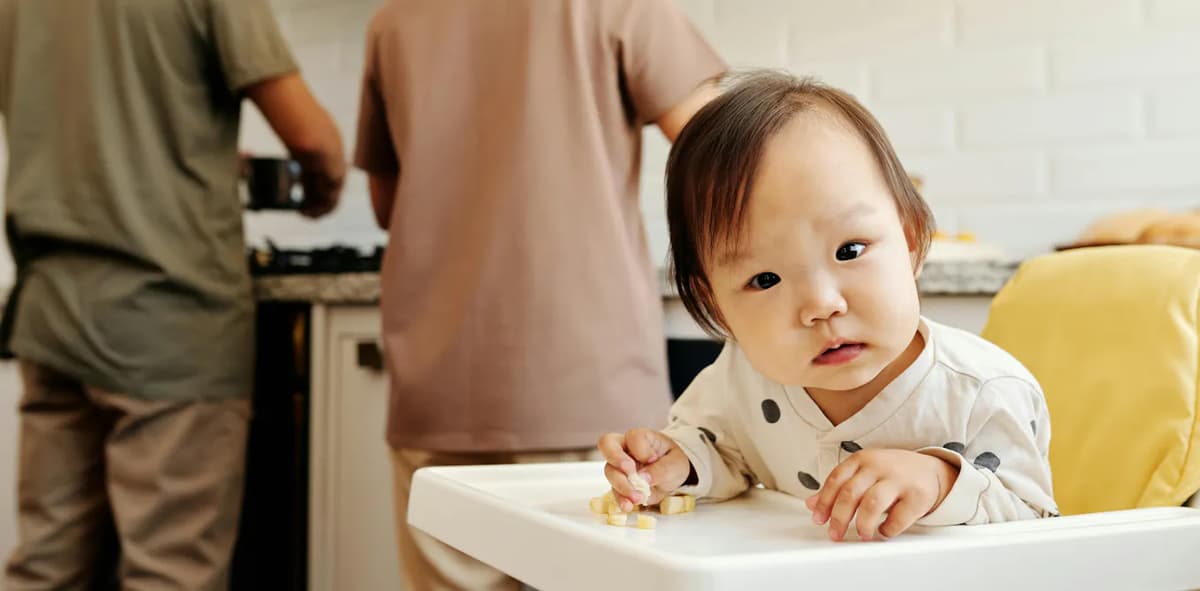
‘I Don’t Believe No Screens Is Possible’: How Parents Manage Devices and Little Kids
New research interviewing 23 first‑time Australian parents reveals a gap between official "no screens under two" recommendations and everyday family life. While health bodies like the WHO and AAP caution against excessive screen exposure, parents report using devices to manage...
:max_bytes(150000):strip_icc():format(jpeg)/GettyImages-1704257079-3b535d61b6164b8e89c1b878a445fe16.jpg)
Why Yelling at Kids Backfires—And What to Do Instead
Yelling at children activates a fight‑or‑flight response, impairing learning and fostering anxiety. Research cited by psychologists Laura Markham and Neil Bernstein shows that chronic verbal aggression damages emotional regulation, academic performance, and the parent‑child bond. The article outlines practical strategies—recognizing...

FDA Testing Shows U.S. Infant Formula Is Safe, with Undetectable or Very Low Chemical Contamination
The U.S. Food and Drug Administration released results from its largest chemical‑contamination test of infant formula, analyzing 312 samples from 16 brands. The overwhelming majority showed undetectable or very low levels of heavy metals, PFAS, pesticides and phthalates, all well...

Worried About These 'Bad' Behaviours? They Could Actually Mean You're Nailing Parenting, Says a Psychotherapist
Psychotherapist Kayleigh Waters argues that behaviors parents label as "bad"—such as arguing, jumping on the sofa, claiming boredom, or calling parents out—actually signal strong emotional security and trust. She explains that children who feel safe will test boundaries, seek autonomy,...

Exclusive: Most Homeschoolers Also Use An Array of Resources, Data Shows
New data from Johns Hopkins University and the RAND Corporation reveal that 88% of U.S. homeschooling families supplement their curricula with external resources. More than 40% use online tools, roughly a quarter enroll in virtual schools, and 10% hire tutors....

What Matters Most for Children in Their Family Relationships?
Developmental psychologists emphasize three evidence‑based pillars for children’s thriving within families. First, the quality of parent‑child and sibling relationships matters far more than the family’s legal or biological structure. Second, maintaining a strong emotional connection enables children to develop autonomy...

Is Screen Time Really the Problem?
The American Academy of Pediatrics has dropped hourly screen‑time limits for school‑age children, shifting its guidance toward the quality of digital ecosystems. The new policy stresses platform design, algorithmic engagement, and the impact on sleep, mood, and social interaction rather...

Lifestyle Modifications, Interventions Can Slow Myopia Progression
Eye‑care experts stress that simple lifestyle changes—90 minutes of outdoor time daily, regular breaks from near work, and limited screen exposure—can markedly slow myopia progression in children. When behavioral measures fall short, clinicians turn to low‑dose 0.05 % atropine drops, though adherence...

1 in 5 Moms Are Going Hungry so Their Kids Don’t Have To
A new Aspect Strategic poll of 1,508 U.S. mothers reveals that 20% skip meals so their children won’t go hungry, while 43% worry about providing healthy food and 25% have taken on debt to feed their kids. The survey shows...

The Case for “Good Enough” Parenting: Why Doing Less Might Be the Smartest Move You Make
A growing wave of parents is abandoning the hyper‑optimized, “intensive” parenting model in favor of a “good enough” approach that prioritizes presence over perfection. New Angelcare Group survey data shows 54% of parents multitask during diaper changes and many report...

My 3 Teens Text Me Throughout the Day and Check My Location. I Could Be Frustrated by This Digital Tethering,...
A mother of three teens shares how constant texting and location‑sharing on smartphones keep her family emotionally close, even during stressful moments like a crying school call. She notes that early phone use was about logistics, but as the kids...
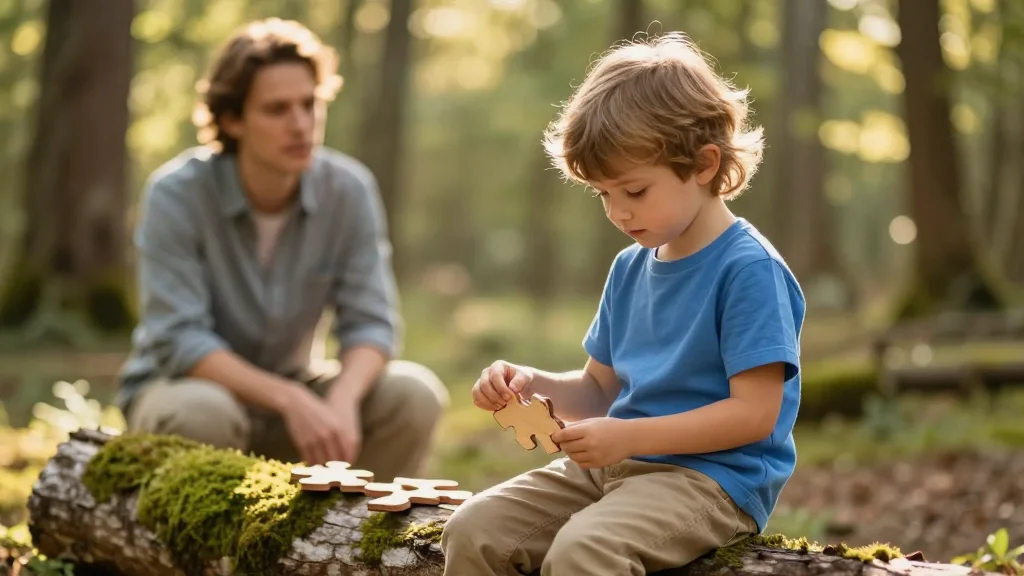
We Thought Homeschool Was Best for Our Kids. They Proved Us Wrong.
A family of entrepreneurs initially chose homeschooling to give their son a hands‑on, curiosity‑driven childhood. As their business workload grew, they found full‑time caregiving unsustainable and noticed their son thriving socially in an outdoor nature preschool. The experience led them...

How Dads Can Teach Daughters Smart Money Habits by Example
Dads can boost their teenage daughters' financial confidence by consistently modeling smart money habits rather than relying on occasional lectures. The article outlines weekly rituals—such as naming trade‑offs, reviewing receipts, and setting a modest cash cap—that turn budgeting into low‑stress...

Why Bare Feet Are Better than Cute Shoes when a Baby Is Learning to Walk
Pediatrician Dr. Varsha Vekaria‑Hirani warns that many parents buy shoes for infants before they actually need them, mistakenly believing footwear aids walking. She explains that barefoot movement supplies critical sensory input and muscle activation that shoes can suppress. While shoes...
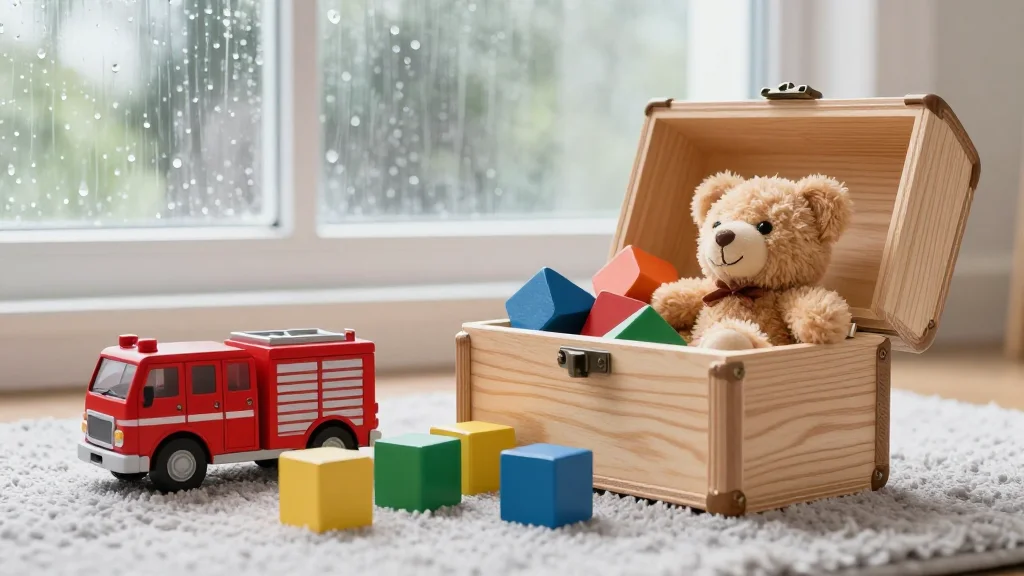
The 5-Minute 'Rainy Bank Holiday' Hack that Will Stop Your Kids Going Crazy Indoors
A rainy UK Bank Holiday often leaves children restless as routine disappears and cluttered toy shelves create visual noise. Child‑development guidance from the Department for Education and NHS England recommends a low‑arousal environment, and a simple five‑minute toy rotation can...
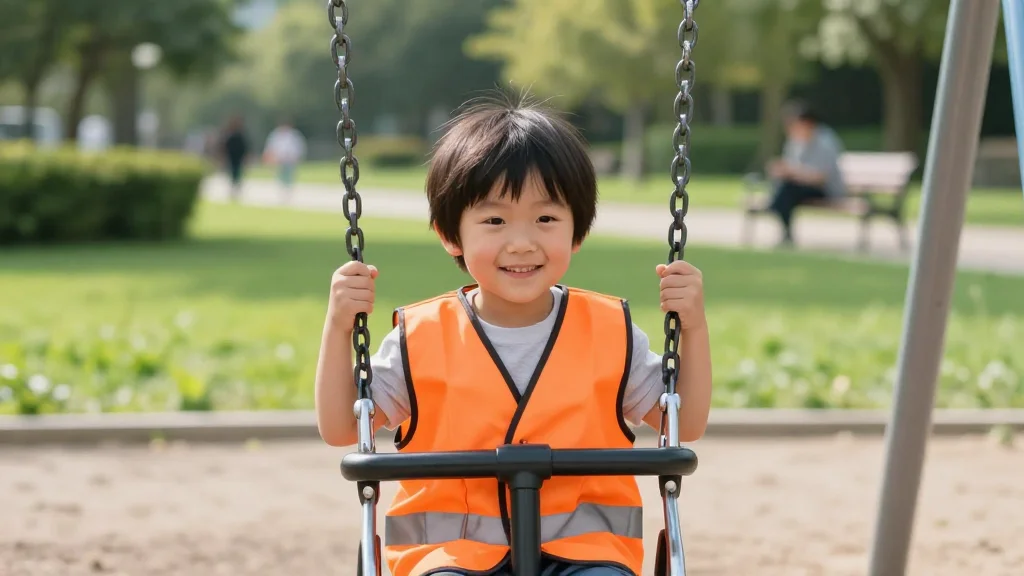
The Best and Worst Areas for Outdoor Play Have Been Revealed, See How Yours Compares
Outdoor Toys analysed government data to rank every English local authority on child safety for outdoor play, using metrics such as park density, zebra crossings, 20 mph road coverage, bicycle theft and antisocial behaviour. Westmorland and Furness topped the list with...
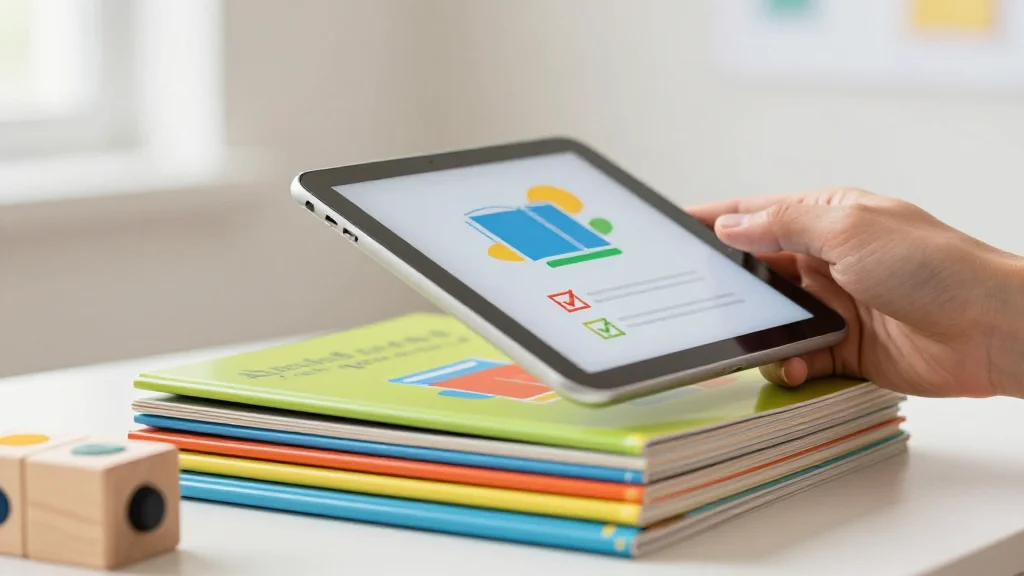
What Are the Ingredients of a Good Preschool Curriculum?
EdReports unveiled its first-ever pre‑K curriculum reviews, applying a three‑gateway framework that assesses diversity, content quality, and implementation. The nonprofit Student Achievement Partners simultaneously released preschool instructional guidelines, giving districts a research‑backed benchmark. State preschool enrollment surged to a record...

What To Expect From Pediatric Autism Therapy Programs
Choosing a pediatric autism therapy program begins with a comprehensive evaluation that maps a child’s communication, sensory, motor and social skills. The assessment informs a personalized treatment plan that typically incorporates Applied Behavior Analysis, speech‑language support, and occupational therapy. Sessions...

What We Get Wrong About Teaching Kids to Apologize and Forgive
The article argues that forcing children to apologize or forgive on demand undermines genuine emotional growth. It highlights research showing forgiveness is a multi‑stage process requiring emotional readiness, empathy, and choice, not just scripted words. The piece outlines the Enright...

Children’s Books To Help Adults Talk About School Shootings with Kids
American classrooms now include routine lockdown drills, leaving children to grapple with fear and uncertainty. A growing niche of children’s books—such as *One Thursday Afternoon*, *Not Like Every Day*, and *The Shape of Thunder*—offers age‑appropriate narratives that help kids name...

How to Model Good Eating and Body Image Habits for Your Kids
Raising children with a healthy relationship to food and their bodies can boost self‑esteem and curb the rise of disordered eating, which affects roughly 22% of global youth. Parents serve as primary role models, so the language they use around...
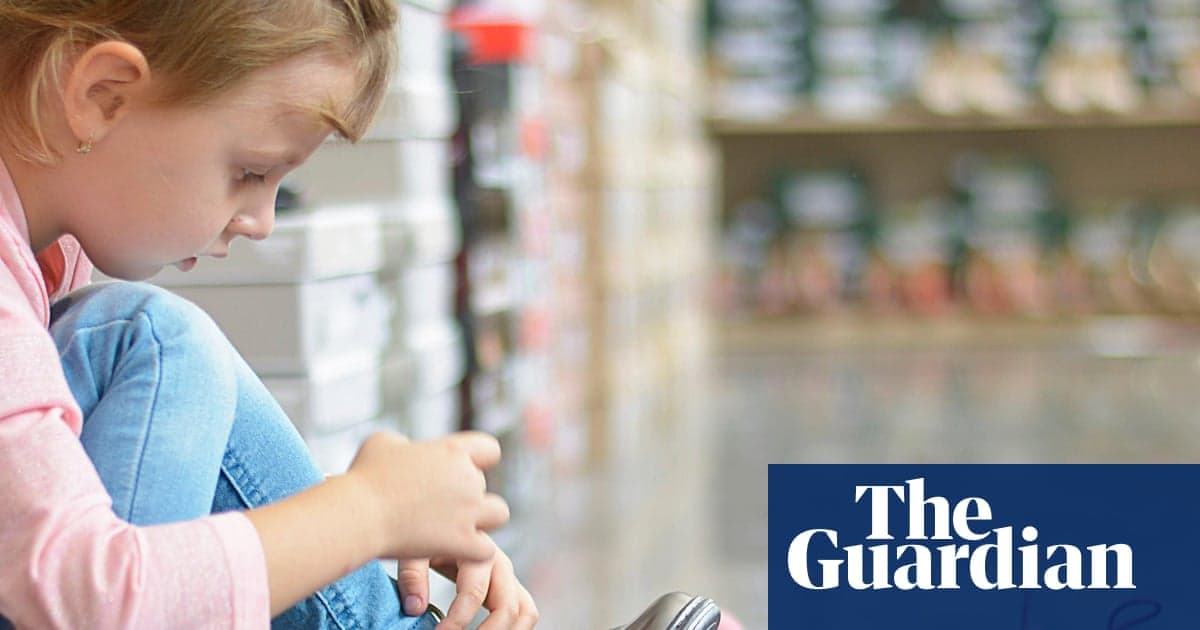
Children’s Shoe Retailers Say Closure of Specialist Shops Is Harming Foot Health
Footwear specialists warn that the recent wave of closures of specialist children’s shoe stores is leading parents to buy ill‑fitting mass‑market shoes, resulting in a rise in foot problems such as bunions among young people. The trade body representing independent...

Donor Conception Openness: What's Important
The article underscores that early and frequent disclosure of donor conception fosters better psychological outcomes for children. Research shows children raised with open communication—regardless of whether the donor is structurally accessible—experience stronger identity formation and trust with parents. Parents are...
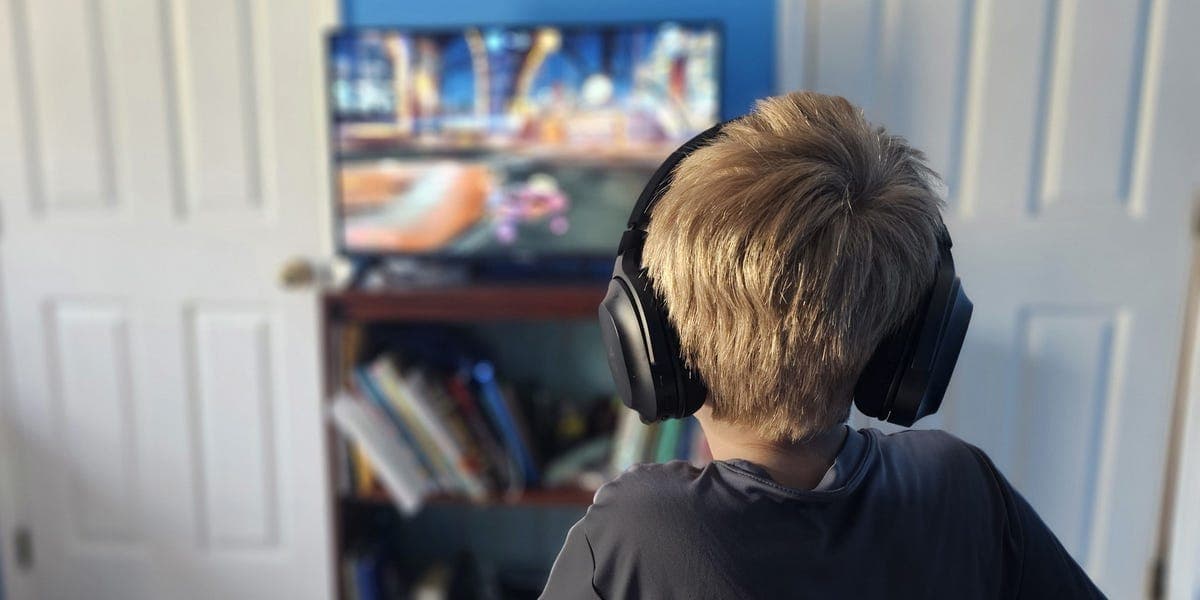
I Didn't Like that My Son Was Spending His Allowance on Gaming Purchases. Turns Out, He Was Learning Financial Responsibility.
A family let their 11‑year‑old son manage his own allowance, including in‑game purchases of Robux, V‑bucks and Minecoins. By giving him a $5 weekly allowance and an $80 annual PlayStation Plus fee, the parents shifted from policing to open dialogue...

Parents Warned to Stop Obsessing over Kids' Screen-Time Hours and Ask These 9 Important Questions Instead
Recent research challenges the traditional two‑hour screen‑time rule, arguing that the amount of time children spend on devices matters far less than what they do with them. A large Cambridge study of over 17,000 teenagers found little evidence of a...
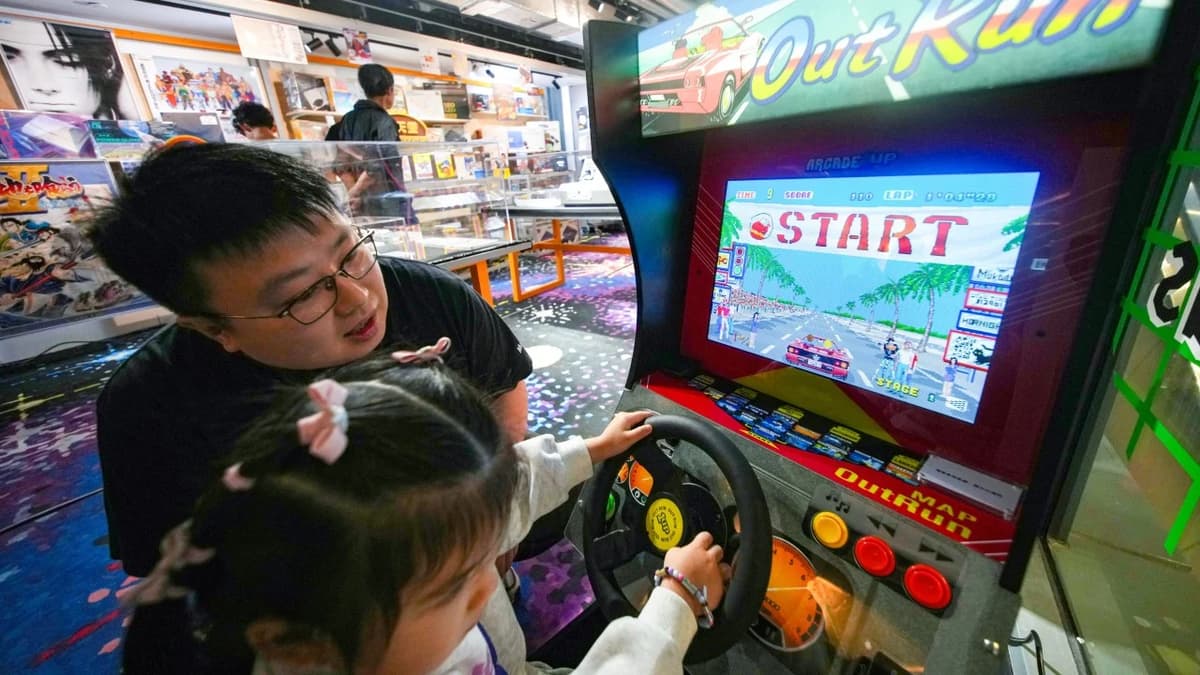
Can Parents and Children Playing Video Games Together Level up Their Relationship?
A Hong Kong survey by the Chinese YMCA of Hong Kong found that parents who play video games with their children report relationship scores about 20 percentage points higher than families that don’t. The study sampled 2,271 youths and 1,283...
:max_bytes(150000):strip_icc():format(jpeg)/GettyImages-1500212360-fa4a1f8c0c3349be95772018ddc444b2.jpg)
Struggling With Money Stress? How Healing Financial Trauma Helps Your Family
Financial trauma—intense anxiety around money—affects roughly one‑quarter of Americans and can echo across generations. Triggers range from the 2008 recession and medical debt to discrimination and divorce, often leading to extreme saving or compulsive spending. Experts recommend introspection, open family...
:max_bytes(150000):strip_icc():format(jpeg)/PARENTS-kids-playing-soccer-bf0af445c3bf494f884419ee4e7fbbba.jpg)
Are Parents Putting Too Much Pressure on Kids in Sports? What Experts Want You To Know
Parents are increasingly turning youth sports into high‑stakes arenas, driven by college scholarship hopes and rising costs. Experts like Justin Ocwieja and therapist Haley Sztykiel warn that excessive pressure erodes the fun, leads to burnout, and can harm mental and...

What Your Teen Might Not Say on Graduation Day (Even Though They’re Feeling It)
Nancy Reynolds’ piece reveals the torrent of emotions high‑school graduates experience but rarely voice on graduation day. Teens express pride, relief, fear of the unknown, nostalgia for daily routines, and pressure from expectations about college and careers. The article highlights...

I Brought My 3-Year-Old and 6-Year-Old Sons to Work with Me. Here's What I Learned.
Business Insider celebrated Take Your Kids to Work Day, inviting dozens of children into the newsroom for activities like bingo, a scavenger hunt, and an animation demo. Reporter Joi‑Marie McKenzie, a first‑time mom, observed that the event slowed the usual...

Want to Raise Successful Kids? Harvard Research Says It All Comes Down to 1 Simple Word
Harvard researchers have pinpointed a single word—"belonging"—as the decisive factor in children’s long‑term success. The study builds on earlier USC work that linked affluent neighborhoods to better outcomes, but reframes the advantage as the sense of community and social integration...
:max_bytes(150000):strip_icc():format(jpeg)/Parents-Why-Babies-Fight-Sleep-d21279c3e0b5468eb14cb17f5f39bc1b.jpg)
8 Reasons Your Baby Is Fighting Sleep
Babies often resist sleep due to overstimulation, overtiredness, uncomfortable environments, and reliance on sleep crutches like feeding or rocking. Experts such as Dr. Jodi Mindell and Dr. Cathryn Tobin highlight the role of daytime light exposure, screen avoidance, and consistent bedtime routines...
:max_bytes(150000):strip_icc():format(jpeg)/Parents-Depleted-Mother-Syndrome-2a3480e24e1b42df9b1101d586652067.jpg)
8 Signs of Depleted Mother Syndrome and How To Cope
Depleted Mother Syndrome, also called maternal burnout, describes the chronic emotional and physical exhaustion many primary caregivers feel when parenting responsibilities overwhelm them. The condition, though not medically recognized, manifests as guilt, chronic fatigue, aches, appetite changes, and reduced immunity....