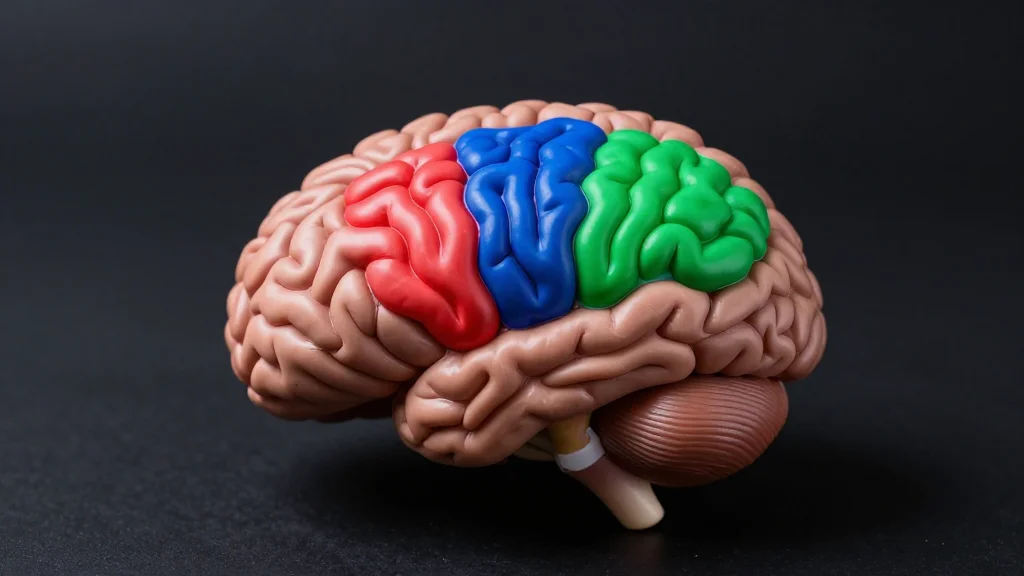
Brain Scans Reveal Three ADHD Subtypes, Offering New Guidance for Parents

Why It Matters
The identification of three biologically distinct ADHD subtypes reshapes how parents, clinicians, and schools approach the disorder. By linking specific brain‑activity patterns to behavioral outcomes, the research offers a pathway to more precise, effective interventions, reducing the reliance on one‑size‑fits‑all medication strategies. For families, this could mean fewer years of trial‑and‑error treatment, less frustration, and better academic and social outcomes for children. Beyond individual families, the findings could influence policy decisions around insurance coverage and educational accommodations. If insurers recognize subtype‑specific treatments as medically necessary, coverage for targeted therapies—such as specialized behavioral programs—may expand. Schools might also adopt more nuanced support plans, differentiating between children who need emotional‑regulation resources and those whose primary challenge is sustained attention.
Key Takeaways
- •Scientists identified three ADHD subtypes via functional MRI, including a severe emotional‑dysregulation form.
- •The severe subtype is linked to heightened activity in brain regions governing emotion, leading to intense meltdowns.
- •Parents may gain clearer guidance for selecting therapies that match a child’s specific neural profile.
- •Critics caution against over‑reliance on imaging, urging integration with comprehensive clinical assessments.
- •Longitudinal studies are planned to test how subtype‑specific treatments affect outcomes over time.
Pulse Analysis
The breakthrough mirrors a broader trend in psychiatry toward biologically grounded subtyping, echoing similar moves in depression and autism research. Historically, ADHD has been treated as a monolithic diagnosis, with stimulant medication serving as the default. This one‑size‑fits‑all approach has left many families frustrated by side effects and limited efficacy. By carving out a neurobiologically distinct group that exhibits extreme emotional dysregulation, the study provides a scientific rationale for diversifying treatment portfolios.
From a market perspective, the findings could stimulate a wave of investment in diagnostic tools and therapeutics tailored to each subtype. Companies developing neuroimaging platforms may see increased demand for pediatric‑friendly scanning solutions, while pharmaceutical firms could accelerate pipelines for drugs that modulate the specific neural circuits implicated in the severe subtype. Moreover, insurers may be pressured to revise coverage policies to include subtype‑guided interventions, potentially expanding the overall spend on ADHD care.
Looking forward, the real test will be whether the subtype classifications translate into measurable improvements in real‑world outcomes. If longitudinal trials confirm that children matched to subtype‑specific therapies achieve better academic performance, reduced behavioral incidents, and higher quality of life, the model could become the new standard of care. Conversely, if the subtypes prove unstable across development or fail to predict treatment response, the field may revert to broader diagnostic categories. For now, parents have a reason to be cautiously optimistic: a clearer scientific map is emerging, and with it, the promise of more personalized, effective support for children navigating ADHD.
Brain Scans Reveal Three ADHD Subtypes, Offering New Guidance for Parents
Comments
Want to join the conversation?
Loading comments...