Denmark’s Hands‑Off Parenting Model Touted as Blueprint for Resilient Kids

Why It Matters
The Danish model challenges the prevailing trend of over‑protective parenting that many Western countries have embraced in response to heightened safety concerns. By linking child resilience to both societal safety nets and freedom to engage in risky, unstructured play, the approach offers a holistic framework that could reshape early‑childhood policy and parental guidance worldwide. If other nations can adapt the underlying principles—particularly generous parental leave and universal health coverage—the potential ripple effects include lower rates of childhood anxiety, improved problem‑solving skills, and a generation better equipped to navigate an increasingly complex world. Moreover, the debate underscores a broader cultural shift: moving from a risk‑averse mindset to one that values measured exposure to challenge. This shift could influence everything from school curricula to urban design, prompting cities to create more adventure‑friendly playgrounds and educators to incorporate free‑play periods into daily schedules. The stakes are high, as the balance between safety and autonomy will shape the social fabric of future generations.
Key Takeaways
- •Denmark ranks #1 in U.S. News’ list of best countries to raise children, driven by high child well‑being scores.
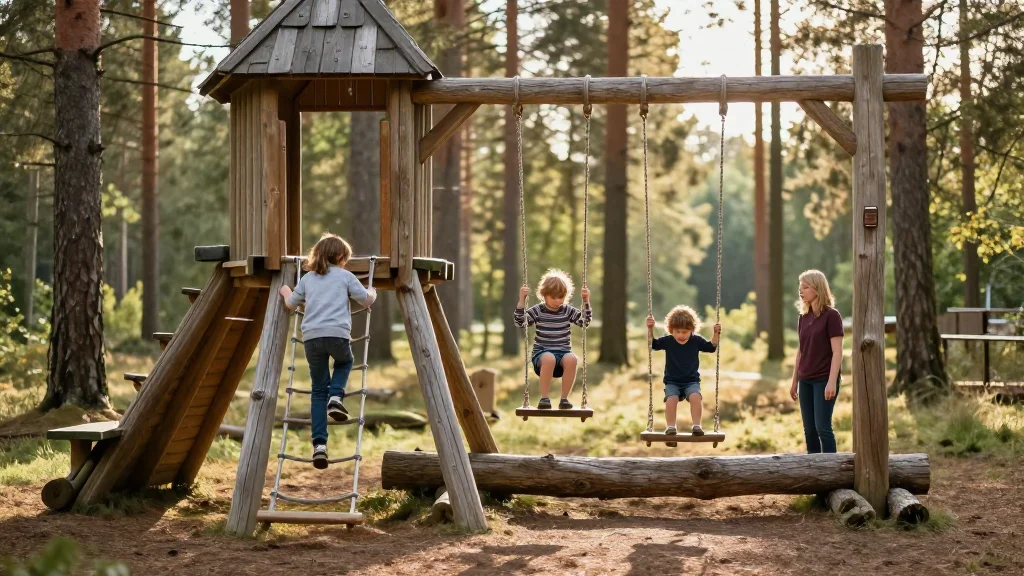
- •Unstructured "leg" play and risky play are linked to greater creativity, negotiation skills, and mental health benefits.
- •Generous parental leave (up to 52 weeks) and universal healthcare provide the safety net that enables hands‑off parenting.
- •Social trust is markedly higher in Denmark (74%) than in the United States (37%), influencing parental attitudes toward risk.
- •Upcoming OECD longitudinal study will track the long‑term outcomes of risky play on resilience and independence.
Pulse Analysis
Denmark’s parenting model illustrates how social policy and cultural norms can co‑evolve to produce measurable child outcomes. The country’s generous parental leave and universal health system reduce the perceived cost of allowing children to take risks, effectively internalizing the externalities that many U.S. parents fear. Historically, Western societies have moved toward risk mitigation—think of the rise of "helicopter parenting" in the early 2000s—yet the Danish data suggest that a calibrated retreat from constant supervision can yield dividends in resilience.
For policymakers, the challenge lies in decoupling the benefits of autonomous play from the unique Danish welfare context. Pilot programs that pair community‑run safe‑play zones with targeted subsidies for parental leave could test whether the model scales. Meanwhile, educators should reconsider curricula that prioritize structured activities at the expense of free exploration. If the forthcoming OECD findings confirm the long‑term advantages of risky play, we may see a wave of legislative reforms aimed at rebalancing safety regulations with developmental freedom.
Ultimately, the conversation is less about copying Denmark verbatim and more about re‑imagining the social contract that underpins parenting. By aligning public investment with evidence‑based child development practices, societies can foster a generation that is both protected and empowered—a duality that may prove essential in an era of rapid technological and environmental change.
Denmark’s Hands‑Off Parenting Model Touted as Blueprint for Resilient Kids
Comments
Want to join the conversation?
Loading comments...