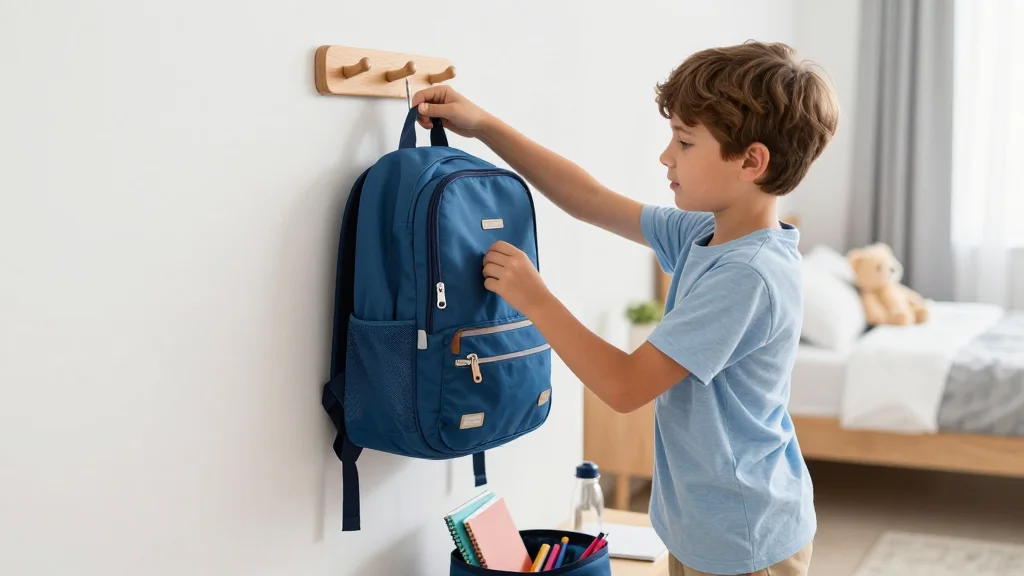
Experts Say Responsibility and Routine Are Core Early Childhood Skills

Why It Matters
Embedding responsibility and routine early reshapes how children approach tasks, fostering self‑discipline that translates into academic success and later workplace productivity. By aligning parental practices with school methodologies, families can reduce daily friction, improve child confidence, and lay a foundation for lifelong learning habits. Moreover, the shift away from over‑parenting addresses broader societal concerns about autonomy and mental health among younger generations. The emphasis on small, repeatable actions also offers a scalable model for parenting programs, allowing policymakers and educators to design interventions that are low‑cost yet high‑impact. As more research validates these approaches, they could become standard components of early childhood curricula and parental guidance resources.
Key Takeaways
- •Night‑before habit: 5‑minute planning session before bed boosts organizational skills.
- •When/then language swap enhances internal motivation via self‑determination theory.
- •Natural consequences (e.g., missed water bottle) teach lasting behavioral correction.
- •Genuine household chores increase children's sense of accountability.
- •Alignment of home routines with school practices reduces transition friction.
Pulse Analysis
The push for responsibility and routine reflects a broader trend in early childhood development that moves away from protective over‑parenting toward skill‑based empowerment. Historically, parenting advice focused on nurturing emotional bonds, but recent decades have seen a surge in research linking habit formation to cognitive and social outcomes. This shift aligns with the rise of self‑determination theory in educational psychology, which argues that autonomy, competence, and relatedness are core drivers of motivation.
From a market perspective, the advice piece signals an emerging niche for products and services that facilitate habit tracking for children—digital planners, reminder apps, and gamified chore charts could see increased adoption. Schools that already embed routine‑centric curricula may partner with tech firms to offer integrated home‑school platforms, creating a new ecosystem of parental engagement tools. Meanwhile, publishers and content creators have an opportunity to produce bite‑size, evidence‑based guides that translate academic research into actionable daily routines.
Looking ahead, the effectiveness of these micro‑habits will likely be measured through longitudinal studies tracking academic performance, behavioral incidents, and later life outcomes. If data confirms the early gains, policymakers may incorporate routine‑building modules into public early‑education standards, further institutionalizing the practice. For parents, the challenge remains balancing consistency with flexibility, ensuring that the muscle of responsibility is exercised without becoming a source of stress. The next wave of guidance will need to address how to adapt these habits for diverse family structures and cultural contexts, ensuring the approach is inclusive and scalable.
Experts Say Responsibility and Routine Are Core Early Childhood Skills
Comments
Want to join the conversation?
Loading comments...