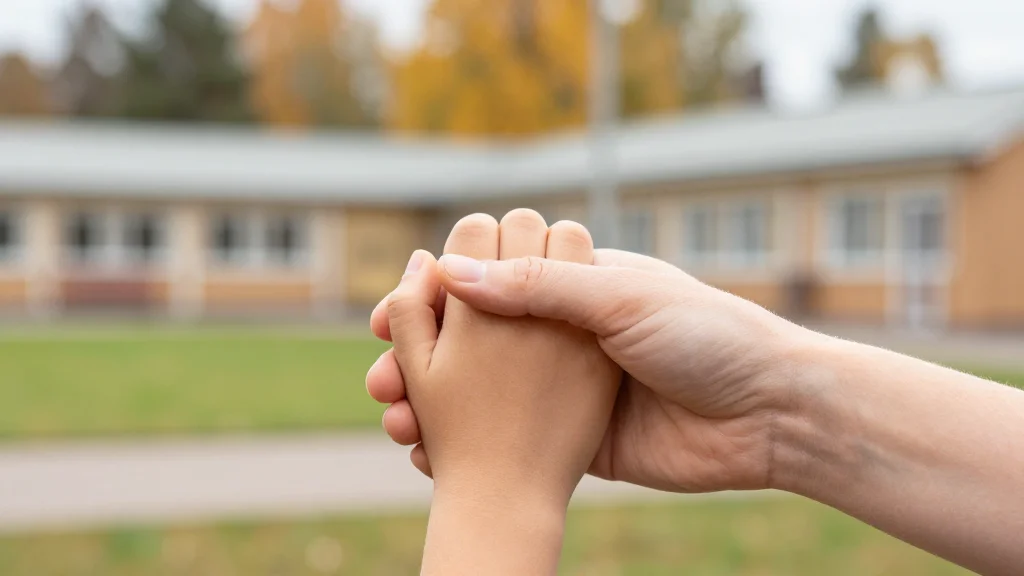
Finland Survey Shows Foreign‑Background Kids Face Higher Bullying and Isolation

Why It Matters
The THL survey spotlights a growing inequity in the Finnish education system that directly impacts parental responsibilities. Higher bullying rates among immigrant children translate into elevated risks of anxiety, depression, and academic disengagement, compelling parents to seek proactive support mechanisms. Moreover, the data provide a benchmark for policymakers to assess the effectiveness of integration and anti‑discrimination measures, influencing future legislation and school funding priorities. For the parenting community, the findings serve as a call to action: understanding the specific vulnerabilities of foreign‑background children enables families to advocate for safer school environments, seek mental‑health resources early, and foster cross‑cultural friendships that mitigate isolation. As Finland grapples with broader immigration debates, the wellbeing of its youngest residents becomes a litmus test for social cohesion.
Key Takeaways
- •Over 50% of foreign‑background 8th‑ and 9th‑graders reported bullying or discrimination last year.
- •Less than 33% of native‑Finnish peers reported similar experiences.
- •Girls of foreign background reported higher anxiety, burnout, and loneliness than boys.
- •Foreign‑background children drink less alcohol and show stronger school attendance attitudes.
- •Survey indicates rising bullying rates for all students since 2021.
Pulse Analysis
Finland's latest School Health Survey underscores a paradox: immigrant children are academically engaged yet socially vulnerable. Historically, Finland's education model has been lauded for equity, but the data reveal that cultural integration gaps are eroding that reputation. The surge in bullying aligns with broader European trends where rising migration coincides with heightened social tensions in schools.
From a market perspective, the findings could stimulate demand for specialized counseling services, anti‑bullying curricula, and digital platforms that facilitate peer‑matching for immigrant families. Companies offering multilingual mental‑health apps may find a receptive audience among Finnish parents seeking culturally sensitive support. Simultaneously, schools may allocate more budget toward teacher training on diversity and inclusion, creating a niche for consultancy firms.
Looking forward, the 2028 follow‑up survey will be a critical barometer for the efficacy of any interventions launched today. If bullying rates decline, it could validate current policy shifts and encourage other Nordic nations to adopt similar approaches. Conversely, a stagnant or worsening trend would likely intensify political pressure on the government to enact stricter anti‑discrimination laws and increase funding for school‑based mental‑health programs. Parents, educators, and policymakers will all be watching these metrics closely, as they will shape the next chapter of Finland's social integration narrative.
Finland Survey Shows Foreign‑Background Kids Face Higher Bullying and Isolation
Comments
Want to join the conversation?
Loading comments...