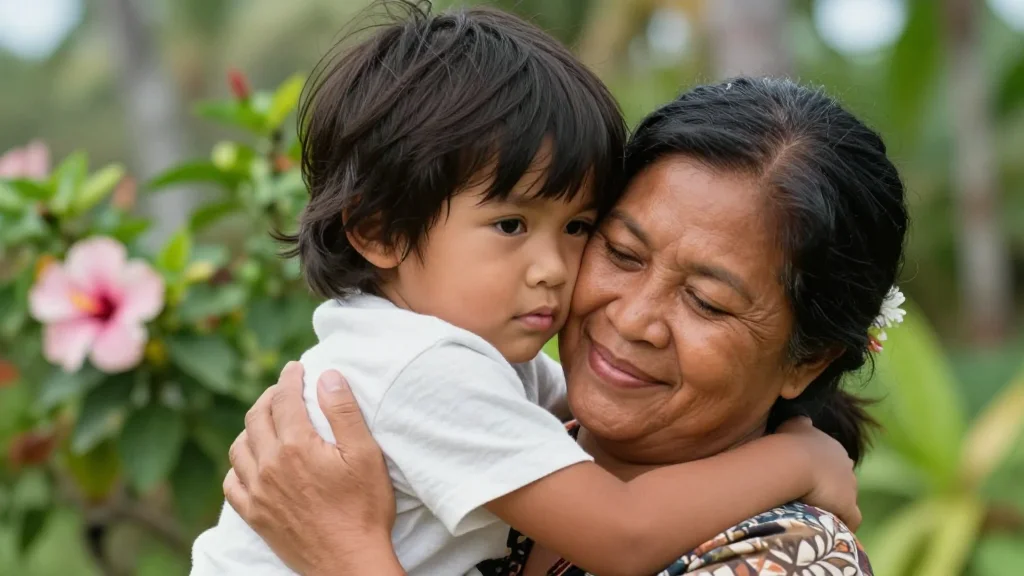
Kinship Care Doubles Placement Stability for Native Hawaiian, Pacific Islander Children, Study Finds

Why It Matters
Placement stability is a cornerstone of positive outcomes for children in foster care, influencing everything from academic achievement to long‑term mental health. For NHPI children, who face higher rates of removal and placement disruption, the study offers concrete evidence that culturally aligned kinship care can mitigate these risks. By demonstrating that extended family placements dramatically improve stability, the research challenges a one‑size‑fits‑all approach to foster care and makes a compelling case for policy reforms that honor cultural continuity. Beyond immediate child‑welfare implications, the findings have ripple effects for broader social equity initiatives. They highlight how data disaggregation can uncover hidden disparities and strengths, prompting more nuanced interventions across health, education, and social services. As jurisdictions grapple with how to address systemic bias, the study provides a replicable model for integrating cultural competence into program design and evaluation.
Key Takeaways
- •NHPI children in kinship care are nearly twice as likely to have stable placements than those in non‑kinship foster care.
- •Placement with NHPI foster parents increases stability odds by 1.5 times.
- •Study uses 2020 AFCARS national data to isolate outcomes for NHPI youth.
- •Authors call for culturally responsive policies, including incentives for NHPI kinship caregivers.
- •Findings will be presented to federal and state child‑welfare agencies for potential policy reform.
Pulse Analysis
The University of Hawaiʻi study arrives at a pivotal moment when child‑welfare systems nationwide are under pressure to address racial inequities. Historically, placement decisions have prioritized logistical convenience over cultural fit, often resulting in higher disruption rates for minority children. This research quantifies the cost of that approach for NHPI youth and offers a data‑backed alternative that aligns with Indigenous concepts of family and community.
From a market perspective, the findings could stimulate growth in a niche segment of the child‑welfare ecosystem: culturally specific kinship support services. Non‑profits and private agencies may see new funding streams for training, recruitment, and financial assistance programs targeting NHPI families. Moreover, state agencies could adopt performance metrics that reward culturally matched placements, reshaping how success is measured in foster‑care contracts.
Looking ahead, the study sets a precedent for disaggregated research that can be applied to other underserved groups. If policymakers act on these recommendations, we may witness a cascade of reforms that prioritize cultural continuity, potentially reducing overall foster‑care costs by lowering placement churn. The challenge will be translating these insights into scalable policy frameworks that respect community autonomy while meeting statutory obligations.
Kinship Care Doubles Placement Stability for Native Hawaiian, Pacific Islander Children, Study Finds
Comments
Want to join the conversation?
Loading comments...