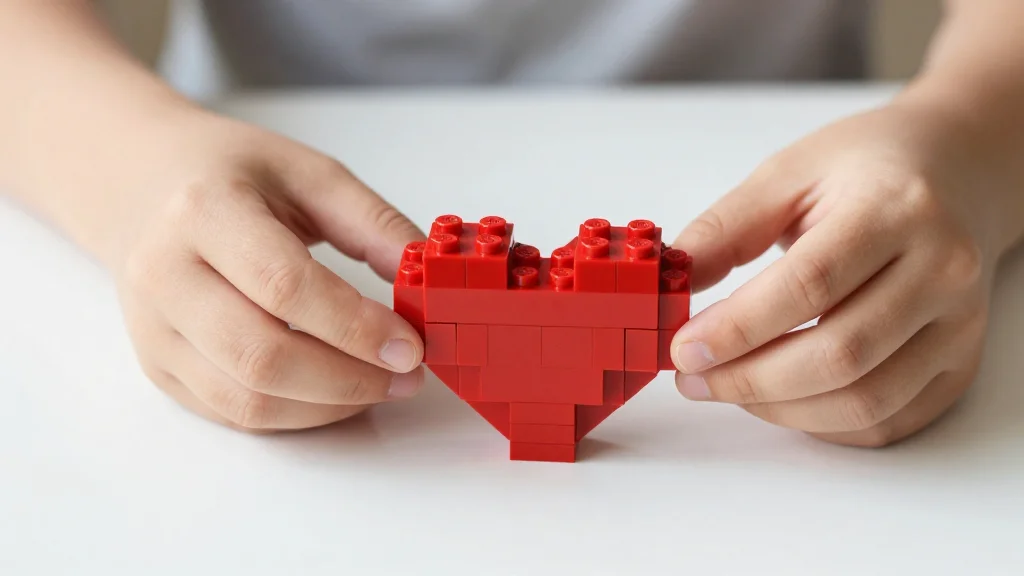
LEGO Relaunches 'Build Big Feelings' Program, Backed by Research Linking Play to Emotional Growth

Companies Mentioned
Why It Matters
Play is more than entertainment; it is a conduit for emotional development and cognitive growth. By grounding a simple brick‑building activity in research on guided play, LEGO offers parents a concrete tool to foster resilience, empathy, and forward‑looking thinking in children. The program’s partnership model also demonstrates how corporations can amplify social impact by aligning product design with community‑based support services. If the early data confirm the promised benefits, Build Big Feelings could become a template for other toy makers and educators seeking evidence‑based approaches to emotional education. The initiative may also influence policy discussions around early childhood development, reinforcing the case for play‑centric curricula in schools and childcare settings.
Key Takeaways
- •LEGO relaunches Build Big Feelings for 2026, a guided‑play activity to aid emotional expression.
- •88% of parents in the LEGO Play Well Study say play helps discuss important topics with children.
- •Guided play aligns with neuroscience findings that open‑ended activities stimulate brain development.
- •Partnership with Boston CASA integrates the program into trauma‑informed support for foster children.
- •Pilot workshops begin in five U.S. cities this fall, with a global rollout planned for 2027.
Pulse Analysis
The Build Big Feelings relaunch marks a strategic shift for LEGO from pure product sales to a service‑oriented model that leverages its brand equity for social good. Historically, the toy industry has relied on seasonal spikes; this initiative embeds the brand into the daily emotional routines of families, potentially creating a longer‑term loyalty loop. By anchoring the program in peer‑reviewed research, LEGO differentiates itself from competitors that offer generic play kits without a scientific backing.
From a market perspective, the move taps into a growing parental demand for tools that support mental health and emotional intelligence. The 88% figure underscores a latent demand that could translate into ancillary revenue streams—such as subscription‑based activity kits, digital companion apps, and training modules for educators. Moreover, the partnership with Boston CASA signals a willingness to address equity gaps, positioning LEGO as a socially responsible player in a sector increasingly scrutinized for its impact on child development.
Looking ahead, the success of Build Big Feelings will hinge on rigorous outcome measurement and transparent reporting. If longitudinal data show measurable improvements in children’s emotional vocabularies and problem‑solving confidence, other manufacturers may emulate the model, sparking a wave of evidence‑driven play initiatives. Conversely, failure to demonstrate impact could reinforce skepticism about corporate‑led social programs. Either way, LEGO’s gamble could reshape how the parenting market views toys—not just as objects of fun, but as instruments of developmental health.
LEGO Relaunches 'Build Big Feelings' Program, Backed by Research Linking Play to Emotional Growth
Comments
Want to join the conversation?
Loading comments...