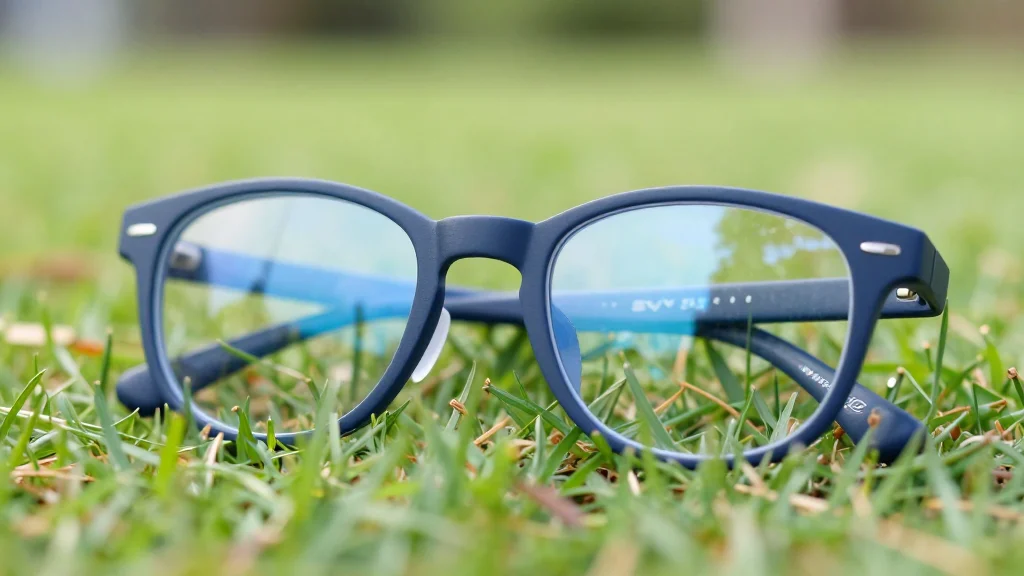
Lifestyle Modifications, Interventions Can Slow Myopia Progression
Why It Matters
Myopia rates are rising globally, driving demand for effective, affordable interventions that can reduce future vision‑related health costs and expand the eye‑care market.
Key Takeaways
- •90 min daily outdoor exposure linked to slower myopia progression
- •Break near work every 20‑30 min to reduce eye strain
- •0.05 % atropine drops effective but require strict compliance
- •FDA‑approved Stellest lenses offer non‑drug myopia control, though pricey
Pulse Analysis
Myopia, or nearsightedness, has become a public‑health concern, affecting an estimated 30 % of U.S. children and projected to exceed 50 % by 2050. Epidemiological studies consistently show that increased time outdoors—ideally 90 minutes per day—exposes the retina to bright, broadband light, which slows axial elongation. Equally important are habits that interrupt prolonged near focus: the 20‑30‑minute break rule, well‑lit reading environments, and encouraging distance‑oriented play such as indoor soccer or trampoline activities. These low‑cost measures are especially valuable in winter months when outdoor exposure is limited.
When behavioral tweaks are insufficient, clinicians often prescribe low‑dose atropine eye drops, typically 0.05 % concentration. Clinical trials report a 30‑50 % reduction in yearly refractive shift, making it the most potent pharmacologic tool available. However, the regimen can cause transient near‑vision blur, pupil dilation, and, in rare cases, ocular misalignment, demanding diligent parental supervision. Moreover, discontinuation may trigger a rebound increase in myopia progression, prompting many practitioners to continue treatment through the adolescent years rather than risk a rapid regression.
Optical interventions have broadened the therapeutic landscape. The FDA’s September 2025 clearance of Essilor’s Stellest spectacle lenses provides a non‑drug option that reshapes peripheral defocus to curb eye growth, though the premium price limits mass adoption. CooperVision’s MiSight contact lenses serve a similar purpose for children ready for contacts, offering daily wear convenience. Together, these products signal a shift toward personalized myopia management, spurring investment in vision‑care technology and creating new revenue streams for manufacturers while giving families a spectrum of choices.
Lifestyle modifications, interventions can slow myopia progression
Comments
Want to join the conversation?
Loading comments...