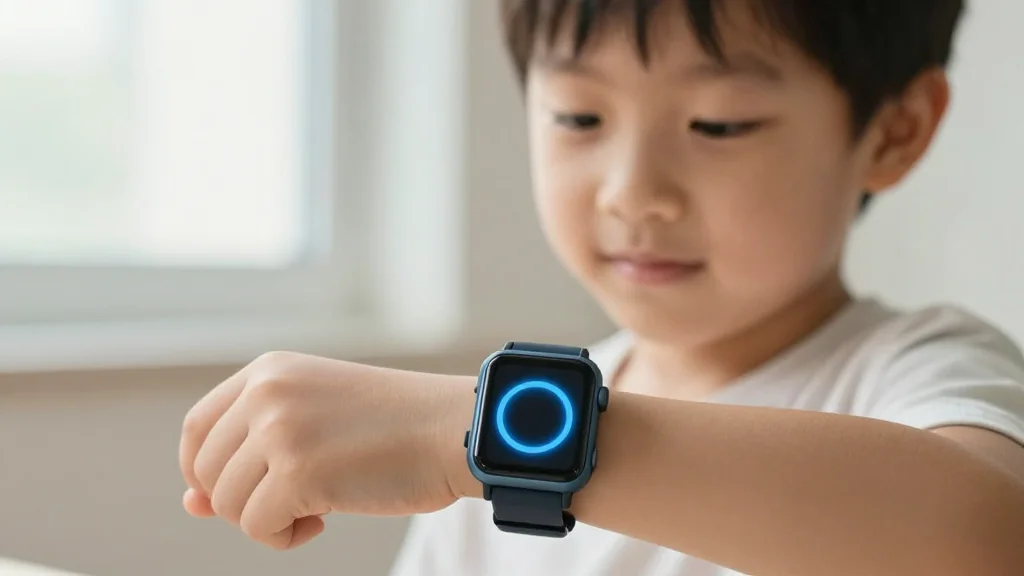
Mayo Clinic Secures $300K Grant to Test AI Smartwatch That Predicts Child Tantrums 30 Minutes Early

Companies Mentioned
Why It Matters
The ability to anticipate tantrums before they spiral offers a tangible tool for families coping with behavioral disorders, a segment that affects roughly 4.5 million U.S. children. By shifting some of the monitoring burden from parents to the child’s own biometric feedback, the technology could reduce caregiver burnout and improve child outcomes. Moreover, the study demonstrates that AI can translate raw physiological data into actionable insights in real time, a breakthrough that may accelerate the integration of digital therapeutics into mainstream pediatric care. Beyond the immediate health benefits, the research could reshape how schools, daycare centers, and pediatric practices approach behavior management. If insurers recognize the smartwatch as a reimbursable intervention, it could become a standard component of treatment plans for ADHD, autism spectrum disorder, and other conditions where emotional regulation is a core challenge.
Key Takeaways
- •Mayo Clinic received a $300,000 federal grant to test child‑focused AI smartwatch alerts.
- •Earlier trials showed 81% accuracy and up to 60‑minute advance warnings of tantrums.
- •New phase aims to give children direct alerts, targeting a 30‑minute prediction window.
- •Study of 50 children (ages 3‑7) found >70% wear time and parent alerts in 4 seconds.
- •Researchers report the smartwatch can halve tantrum length when used with therapy.
Pulse Analysis
Mayo Clinic’s grant‑backed effort arrives at a moment when digital health investors are hunting for scalable, behavior‑focused solutions. The study’s hybrid model—combining AI analytics with existing consumer wearables—sidesteps the high cost of bespoke medical devices, making rapid market entry feasible. Historically, pediatric behavioral interventions have relied on therapist‑led programs that are time‑intensive and expensive. By embedding predictive analytics into a device children already wear, Mayo is effectively democratizing access to early‑intervention tools.
However, adoption will hinge on data privacy and parental trust. While the study reports high compliance, broader rollout will need robust safeguards against misuse of biometric data, especially in school settings. Competitors may respond by bundling similar AI capabilities into their own platforms, potentially sparking a wave of proprietary ecosystems that could fragment the market. Mayo’s academic credibility could serve as a differentiator, but only if the forthcoming trial validates self‑alert efficacy and demonstrates cost‑effectiveness for insurers.
Looking ahead, successful validation could open pathways for expanding the technology to other emotional regulation challenges, such as anxiety spikes in adolescents or stress monitoring for children with chronic illnesses. The convergence of AI, wearables, and behavioral health signals a new frontier where preventive care is delivered in the moment, reshaping parental roles from reactive responders to proactive partners in their child’s emotional development.
Mayo Clinic Secures $300K Grant to Test AI Smartwatch That Predicts Child Tantrums 30 Minutes Early
Comments
Want to join the conversation?
Loading comments...