Mom with Cerebral Palsy Shows How Adaptive Tools Enable Parenting on Her Own Terms

Why It Matters
Grace's experience spotlights a gap in mainstream parenting resources that often overlook the physical realities of parents with disabilities. By publicly detailing her adaptations, she not only normalizes disability‑inclusive parenting but also pressures manufacturers to design baby gear that accommodates a wider range of physical abilities. Moreover, her visibility can influence healthcare providers to offer tailored postpartum support, reducing the emotional strain of seeking assistance. The story also contributes to a broader cultural shift toward representation. When parents see themselves reflected in media, it can improve mental health outcomes and foster community building. Grace's narrative may inspire other disabled parents to share their stories, creating a ripple effect that reshapes societal expectations of motherhood.
Key Takeaways
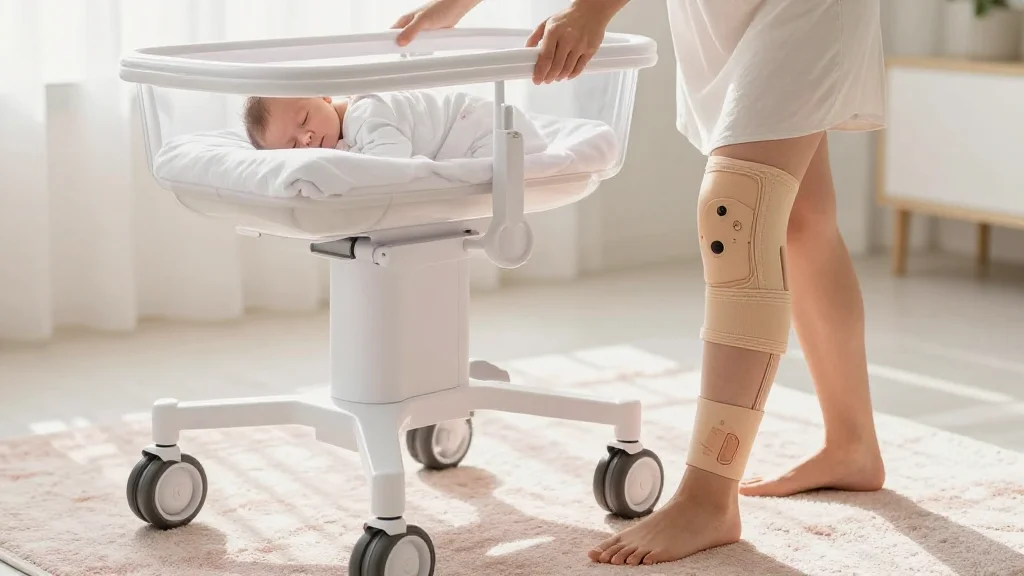
- •Aundi Grace, 30, uses a rolling bassinet to move her baby without strain
- •She plans daily tasks intentionally to manage fatigue and balance
- •Grace needed extensive physical help immediately after birth, a shift from her usual independence
- •Her TikTok video on adaptive parenting has over 230,000 views
- •Grace’s story is prompting calls for more disability‑inclusive baby products and postpartum support
Pulse Analysis
Grace’s account arrives at a moment when the parenting market is expanding beyond traditional demographics. Companies that have historically marketed baby gear to able‑bodied parents are now confronting a demand for ergonomic, mobility‑friendly designs. Early adopters like the rolling bassinet illustrate how a simple product tweak can open a new consumer segment, potentially adding billions in revenue if manufacturers scale inclusivity.
Historically, disability has been an afterthought in parenting discourse, with few mainstream platforms featuring disabled parents. Grace’s viral reach demonstrates the power of user‑generated content to fill that void, bypassing traditional media gatekeepers. This democratization forces brands to listen directly to consumers who articulate specific pain points, such as the need for stable seating or reachable storage during feedings.
Looking ahead, policymakers may also feel pressure to codify standards for accessible parenting equipment, similar to existing regulations for wheelchair‑friendly public spaces. If legislation follows, manufacturers will need to integrate universal design principles from the outset, reshaping supply chains and product development cycles. Grace’s story, therefore, is not just a personal narrative but a catalyst for systemic change in how the parenting ecosystem accommodates disability.
Mom with Cerebral Palsy Shows How Adaptive Tools Enable Parenting on Her Own Terms
Comments
Want to join the conversation?
Loading comments...