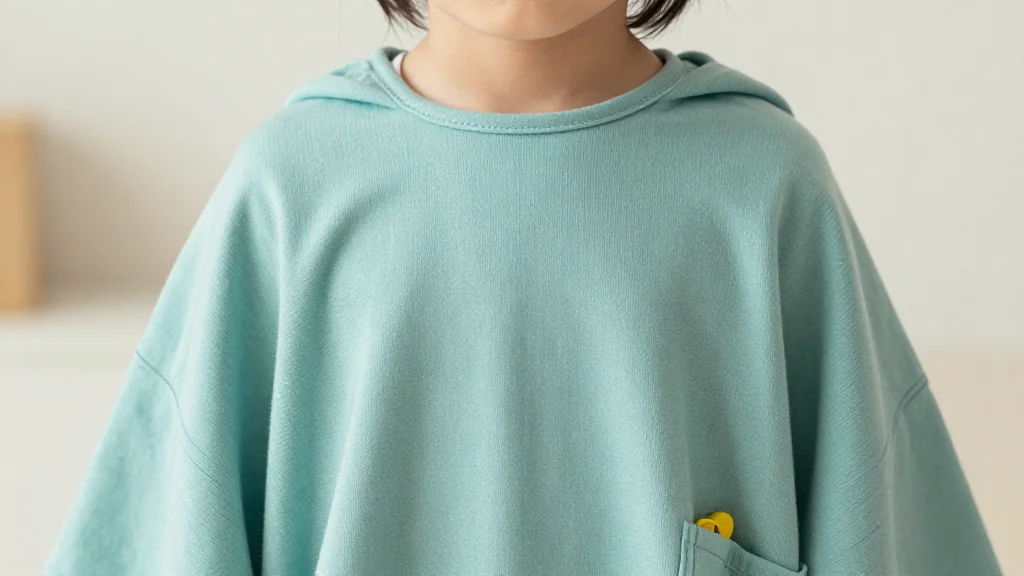
Mom's Sensory Cape Offers New Calm Tool for Neurodivergent Kids

Why It Matters
The sensory cape illustrates how grassroots innovation can address unmet needs in the neurodivergent community, where parents often act as first‑line problem solvers. By offering a low‑cost, wearable tool, the cape could reduce reliance on more expensive or less portable aids, easing daily routines for families. If the cape reaches mass production, it may encourage other parents to prototype solutions, potentially expanding the ecosystem of affordable, user‑centric assistive devices. This could shift market dynamics, prompting larger manufacturers to consider more flexible, modular designs that integrate sensory support into everyday clothing.
Key Takeaways
- •Lucy Horne of Deniliquin created the Big Hug sensory cape for her autistic son Jake
- •Cape uses soft bamboo fabric, hypoallergenic charcoal, and hidden pockets for fidget toys
- •Initially designed for haircuts, later found useful during meals and other activities
- •Horne aims to mass‑produce the cape and is seeking manufacturing partners
- •The invention reflects a broader trend of parent‑driven assistive‑technology solutions
Pulse Analysis
The Big Hug sensory cape arrives at a moment when the parenting market is increasingly attentive to neurodivergent needs. Traditional assistive products—weighted blankets, sensory swings, and noise‑cancelling headphones—have dominated the space, but they often come with high price tags and limited portability. Horne’s garment‑based approach sidesteps these barriers by embedding sensory relief directly into clothing, a concept that could inspire a new product category.
Historically, parent‑invented tools have struggled to scale due to regulatory hurdles and the need for clinical validation. However, the rise of crowdfunding platforms and niche manufacturing services lowers entry barriers, allowing innovators like Horne to test demand before committing to large‑scale production. If the pre‑order phase demonstrates sufficient interest, larger firms may acquire the design or partner with Horne, accelerating distribution while preserving the low‑cost ethos.
Looking ahead, the cape’s success could prompt a reevaluation of how sensory regulation is integrated into daily life. Schools and therapy centers might adopt garment‑based solutions to reduce classroom disruptions, while insurers could view such low‑cost tools as preventative measures, potentially covering them under pediatric health plans. The key challenge will be establishing empirical evidence of efficacy, a step that will determine whether the cape moves from a heartfelt prototype to a mainstream therapeutic option.
Mom's Sensory Cape Offers New Calm Tool for Neurodivergent Kids
Comments
Want to join the conversation?
Loading comments...