Monmouthshire Mom’s Diary Reveals Daily Challenges of Raising a Child with Angelman Syndrome

Why It Matters
The diary entry puts a human face on Angelman syndrome, a condition that affects roughly 500,000 people worldwide. By exposing the everyday obstacles—public misunderstanding, safety concerns, and emotional strain—Washbrook’s story underscores the urgent need for more inclusive public spaces and better support structures for families of children with severe disabilities. The timing, coinciding with International Carers Week, amplifies its impact, encouraging policymakers and service providers to prioritize caregiver wellbeing and rare‑disease funding. Moreover, the narrative highlights the broader societal responsibility to shift from passive sympathy to active accommodation. When a mother must constantly intervene to prevent her child from being misunderstood or reprimanded, it signals systemic gaps that, if addressed, could improve quality of life for countless families across the UK and beyond.
Key Takeaways
- •Sarah Washbrook shares a raw diary entry of a day out with her son Ivor, who has Angelman syndrome.
- •Angelman syndrome affects about 1 in 15,000 people worldwide, causing severe intellectual and motor impairments.
- •The diary was published ahead of International Carers Week (June 8‑14) to raise awareness.
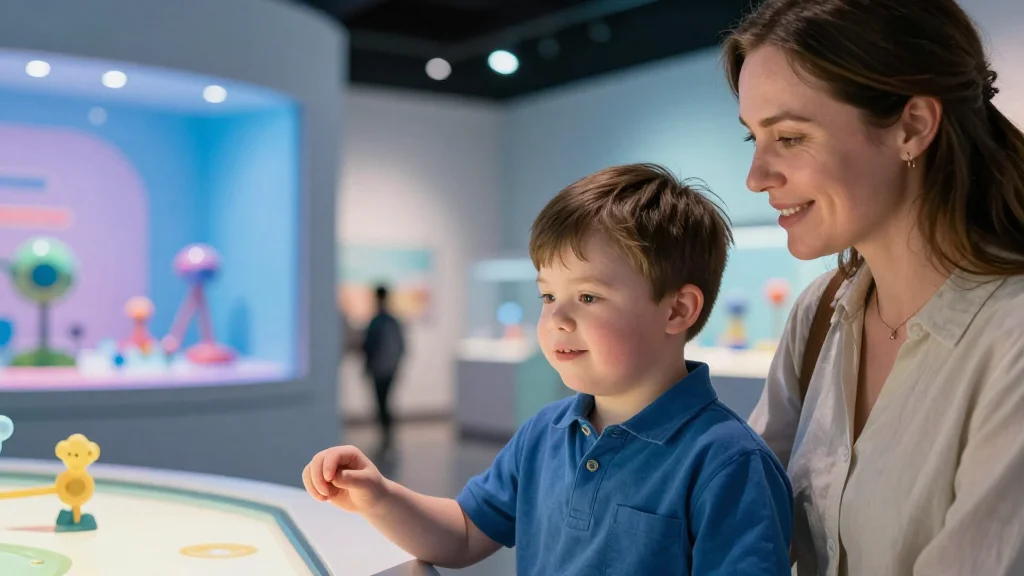
- •Incidents at Techniquest museum illustrate gaps in public venue preparedness for families with disabled children.
- •Washbrook emphasizes resilience, noting that "A simple smile is often just what I need."
Pulse Analysis
Washbrook’s diary is more than a personal anecdote; it functions as a micro‑case study of the systemic challenges faced by families of children with rare neurogenetic disorders. Historically, advocacy for rare diseases has struggled to gain traction because of low prevalence, yet the cumulative caregiving burden is substantial. By publishing a vivid, day‑to‑day account, Washbrook bridges the empathy gap that often separates public perception from lived reality. The narrative aligns with a broader trend in disability advocacy that leverages first‑person storytelling to influence policy, as seen in recent UK consultations on inclusive design.
From a market perspective, the story may spur increased demand for specialized services—such as sensory‑friendly museum hours, caregiver respite programs, and targeted training for frontline staff. Companies that can demonstrate tangible accommodations may gain goodwill and differentiate themselves in a competitive leisure sector. Simultaneously, the piece adds pressure on government bodies to allocate more resources toward rare‑disease research and caregiver support, potentially influencing upcoming budget discussions.
Looking forward, the momentum generated by International Carers Week could translate into concrete legislative proposals, such as mandatory accessibility audits for public venues or expanded funding for rare‑disease care pathways. Washbrook’s willingness to publicize her struggles may inspire other families to share their stories, creating a chorus of voices that could reshape public policy and societal attitudes toward disability.
Monmouthshire Mom’s Diary Reveals Daily Challenges of Raising a Child with Angelman Syndrome
Comments
Want to join the conversation?
Loading comments...