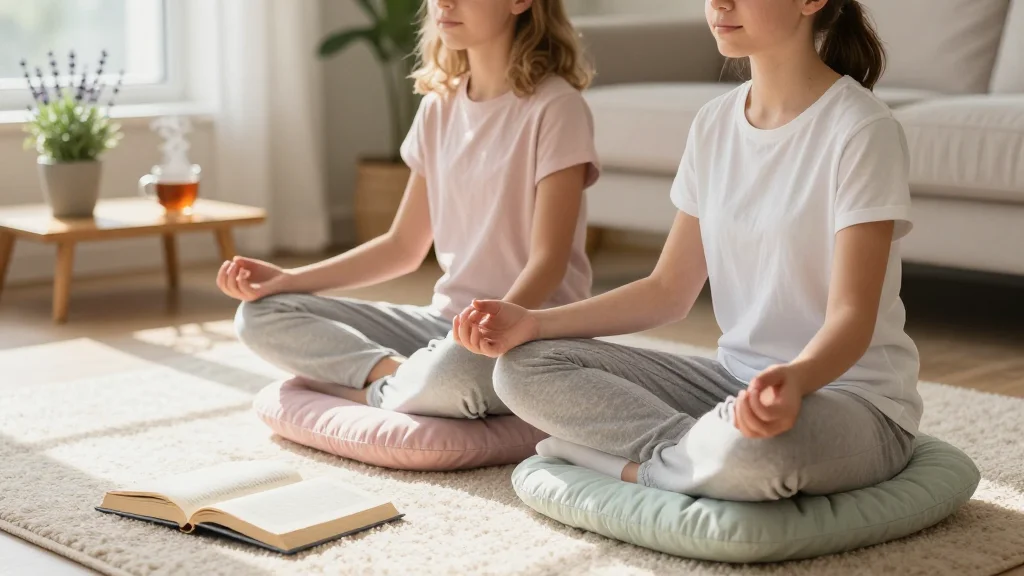
New Book Urges Parents to Meditate as GCSE Exams Begin, Citing Stress Risks

Why It Matters
Parental stress during exam periods has long been linked to poorer mental health outcomes for adolescents, including heightened anxiety and reduced academic performance. By spotlighting meditation as a practical tool, the new guide challenges entrenched norms of parental over‑involvement and offers a low‑cost, scalable intervention that could improve wellbeing across thousands of households. If adopted widely, the approach could also ease pressure on schools, allowing educators to focus on pedagogy rather than crisis management. Beyond individual families, the issue touches on broader policy debates about the high‑stakes nature of UK secondary education. As universities tighten entry requirements, the ripple effect of parental expectations intensifies. A shift toward calmer, more supportive home environments could temper the race for ever‑higher grades, prompting a reevaluation of how success is measured in the education system.
Key Takeaways
- •New book *The Parent’s Guide to Exam Stress* released, urging meditation for parents during GCSEs
- •Teachers report pupils crying over parental embarrassment and pressure for top grades
- •Book cites over‑involvement—timetables, extra tutors, work leave—as harmful to teen mental health
- •Authors recommend mindfulness for adults to model calm and reduce household tension
- •Schools consider parent‑focused stress‑reduction workshops ahead of August results
Pulse Analysis
The timing of this guide is strategic. GCSEs have become a national focal point, with media coverage amplifying every fluctuation in results. Historically, parental involvement has been framed as beneficial, but the shift toward hyper‑competitive preparation has eroded that narrative. By positioning meditation as a parental responsibility, the authors tap into a growing wellness market while addressing a genuine pain point for educators.
From a market perspective, the book could spark a niche segment of parent‑focused mental‑health products—apps, online courses, and community groups tailored to exam season. Companies that already serve the education sector may see an opportunity to bundle mindfulness tools with existing tutoring platforms, creating a hybrid offering that addresses both academic and emotional needs. However, the efficacy of meditation as a standalone solution remains contested; without systemic changes to exam pressure, its impact may be limited.
Looking ahead, the real test will be whether schools institutionalize parent‑centric wellbeing programs. If pilot workshops demonstrate measurable reductions in student anxiety, policymakers could embed such initiatives into national guidance, potentially reshaping the culture of exam preparation. Until then, the guide serves as both a wake‑up call and a modest, actionable step for families navigating the high‑stress GCSE landscape.
New Book Urges Parents to Meditate as GCSE Exams Begin, Citing Stress Risks
Comments
Want to join the conversation?
Loading comments...