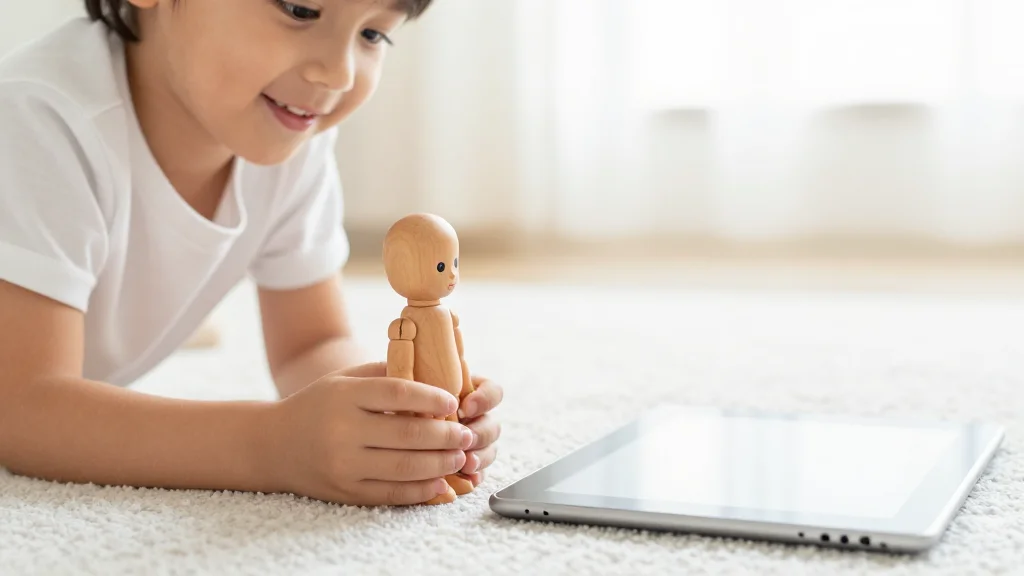
New Study Shows Dolls Outperform Screens in Boosting Kids' Social Skills

Why It Matters
The study provides concrete evidence that low‑tech toys can outperform high‑tech devices in a core area of child development. As policymakers grapple with guidelines on screen time, the research offers a practical alternative that is accessible to families across socioeconomic strata. Moreover, the findings could reshape early‑education curricula, prompting schools to integrate more hands‑on, imaginative play into daily routines. Beyond the immediate parenting sphere, the results may influence product development strategies across the children’s entertainment industry. Companies that have heavily invested in digital platforms might need to diversify their offerings to include tactile, socially oriented toys, thereby reshaping market dynamics and potentially driving innovation in hybrid play solutions.
Key Takeaways
- •Peer‑reviewed New Zealand study finds dolls boost social skills more than screens
- •Children using dolls showed higher empathy and turn‑taking scores
- •Study suggests tactile, imaginative play offers developmental advantages
- •Findings challenge the growing reliance on digital devices for early learning
- •Potential market shift toward traditional toys as parents seek evidence‑based options
Pulse Analysis
The New Zealand study arrives at a pivotal moment when digital media dominates early childhood environments. Historically, the push for screen‑based learning has been driven by promises of convenience and measurable outcomes, yet this research re‑centers the conversation on the qualitative aspects of social interaction. By quantifying the advantage of dolls, the study forces educators and product developers to reconsider the assumption that technology is inherently superior for skill acquisition.
From a market perspective, the data could catalyze a modest resurgence of classic toys. While the overall toy market continues to tilt toward electronic products, a segment of parents—particularly those influenced by developmental research—may gravitate toward low‑cost, high‑impact options. This could spur manufacturers to innovate within the traditional toy space, perhaps integrating subtle digital enhancements (e.g., QR codes linking to storytelling prompts) while preserving the core tactile experience that drives social learning.
Looking ahead, the study’s next phase—expanding age ranges and testing hybrid play models—will be critical. If future research confirms that limited, purposeful screen use combined with doll play yields synergistic benefits, the industry may see a new category of blended educational tools. Until then, the clear takeaway for parents is simple: a doll on the floor can be more than a toy; it can be a catalyst for the social competence that underpins lifelong success.
New Study Shows Dolls Outperform Screens in Boosting Kids' Social Skills
Comments
Want to join the conversation?
Loading comments...