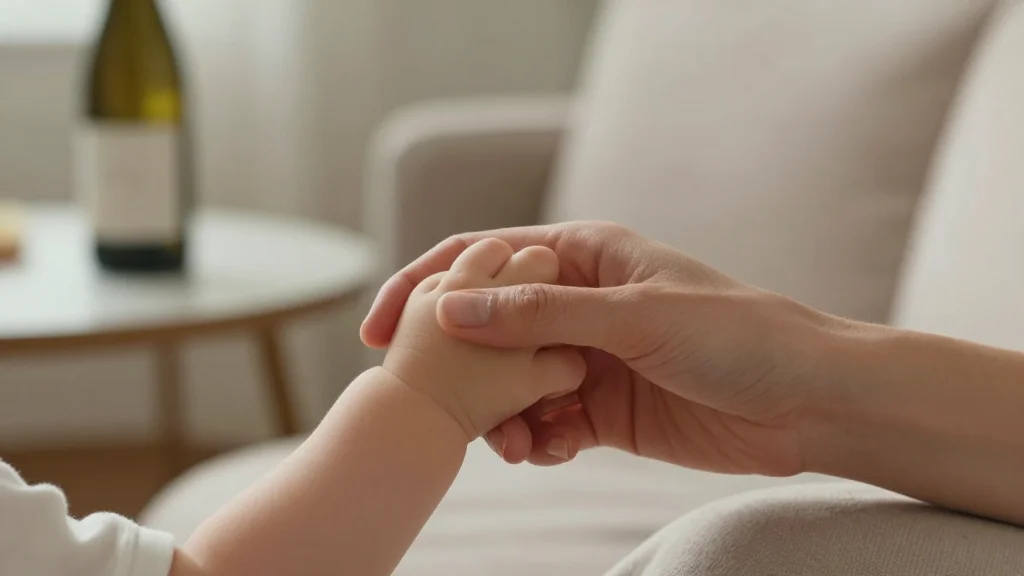
No Safe Alcohol Level for Parents Around Children, Study Shows

Why It Matters
The study reframes alcohol consumption from a solely addiction‑focused issue to a broader parenting concern, suggesting that even low‑level drinking can erode essential caregiving behaviors. For families, this could translate into revised guidance from pediatricians, new educational campaigns, and heightened scrutiny of social events where alcohol is present. From a policy perspective, the findings challenge existing public‑health frameworks that differentiate between dependent and non‑dependent drinkers. If legislators adopt stricter limits for parents, it could reshape licensing rules for venues, influence advertising standards, and spur the development of alcohol‑free alternatives aimed at family gatherings. The ripple effects may also affect insurance risk assessments and workplace wellness programs that address parental health.
Key Takeaways
- •Systematic review of 68 studies (1991‑2026) finds no safe alcohol level for parents around children.
- •Higher alcohol intake is linked to stricter discipline, increased conflict, and reduced parental attentiveness.
- •Most children harmed by parental drinking have parents without an alcohol use disorder diagnosis.
- •53 of the 68 studies reviewed originated from the United States, limiting cross‑cultural applicability.
- •Researchers call for more nuanced public‑health guidance and further studies on children’s perceptions.
Pulse Analysis
Historically, public‑health messaging around alcohol has drawn a hard line between dependent drinkers—who receive targeted interventions—and casual consumers, who are often left out of the conversation. This review disrupts that binary by showing that even occasional, non‑dependent drinking can impair core parenting functions. The shift mirrors broader trends in preventive health, where risk is increasingly viewed as a continuum rather than a dichotomy.
The study also arrives at a moment when the alcohol industry is courting family‑oriented markets, from “mom‑friendly” wine labels to low‑alcohol craft beers marketed for weekend brunches. If policymakers act on these findings, we could see a wave of regulatory pressure on such products, similar to the recent restrictions on sugary drinks aimed at children. Companies may respond by expanding alcohol‑free portfolios, creating a new niche for brands that position themselves as safe for family settings.
Looking ahead, the key challenge will be translating the nuanced scientific evidence into clear, actionable guidance without alienating parents who view moderate drinking as a normal part of social life. Successful communication will likely require collaboration between researchers, pediatric societies, and community organizations to develop culturally sensitive messages that acknowledge both the risks identified and the realities of family life. The upcoming International Conference on Parenting and Health will be a pivotal forum for shaping that discourse.
No Safe Alcohol Level for Parents Around Children, Study Shows
Comments
Want to join the conversation?
Loading comments...