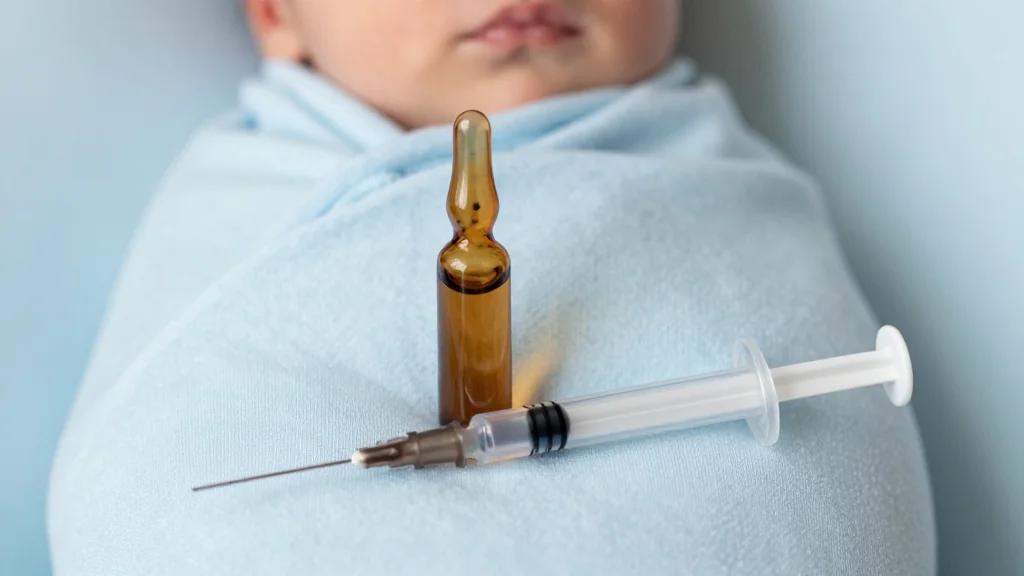
Parents Reject Newborn Vitamin K Shots, Prompting Infant Deaths Across U.S. Hospitals

Why It Matters
The refusal of vitamin K shots threatens to undo decades of progress in newborn hemorrhage prevention, potentially leading to a resurgence of a condition that modern medicine has largely eliminated. Beyond the immediate health risks, the pattern signals a broader erosion of trust in routine pediatric care, which could spill over into other preventive measures such as vaccinations and newborn screenings. If unchecked, the movement could compel hospitals to allocate more resources to emergency interventions, increase healthcare costs, and strain the doctor‑parent relationship. Furthermore, the issue highlights the power of misinformation on social media platforms to shape health decisions at the most vulnerable stage of life. Understanding how these narratives spread and influencing them with accurate, accessible information will be crucial for safeguarding infant health and maintaining public confidence in standard medical practices.
Key Takeaways
- •ProPublica links at least four infant deaths to vitamin K shot refusals across four states.
- •The vitamin K injection costs only a few dollars and prevents fatal bleeding disorders.
- •Parental refusals are driven by misinformation and a desire to avoid perceived unnecessary interventions.
- •Pediatric societies are calling for nationwide education campaigns and clearer hospital policies.
- •Some state legislators are considering bills to make the vitamin K shot mandatory unless medically exempted.
Pulse Analysis
The rise in vitamin K refusals is a microcosm of the larger anti‑intervention wave that has been gaining momentum in the United States. Historically, the shot was introduced in the 1960s after a surge in neonatal hemorrhagic disease, and its efficacy has been unquestioned for decades. The current backlash, however, is less about scientific evidence and more about a cultural shift toward questioning any medical authority. This mirrors the vaccine hesitancy surge that began in the early 2010s, suggesting that the same social media algorithms that amplify conspiracy theories about vaccines are now repurposing those tactics for newborn care.
From a market perspective, the trend could create new opportunities for health‑communication firms specializing in counter‑disinformation. Companies that can produce compelling, evidence‑based content tailored to new parents may see increased demand from hospitals and public‑health agencies. Conversely, manufacturers of the vitamin K formulation could face reduced sales if refusals become widespread, though the financial impact is likely modest given the low cost of the product.
Looking forward, the decisive factor will be how quickly the medical community can re‑establish trust. If pediatricians can effectively communicate the negligible risk and high benefit of the injection, the refusal rate may plateau. However, if misinformation continues to outpace factual messaging, we could see a resurgence of preventable infant deaths, prompting stricter regulatory responses. The outcome will shape not only newborn care protocols but also the broader dialogue around parental autonomy versus public health imperatives.
Parents Reject Newborn Vitamin K Shots, Prompting Infant Deaths Across U.S. Hospitals
Comments
Want to join the conversation?
Loading comments...