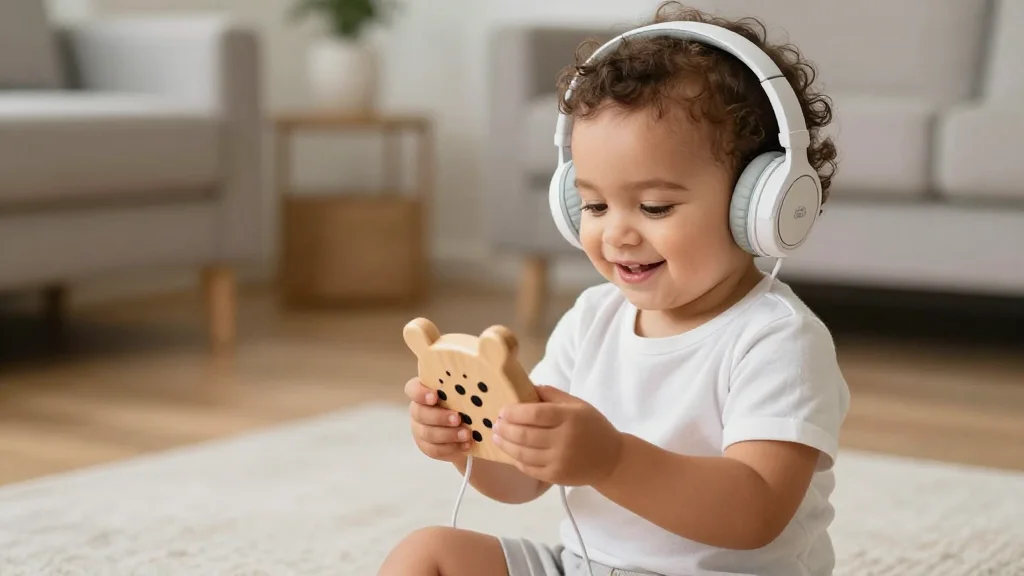
Parents Swap Screens for Audio‑Only Toys as Market Hits $860 Million

Why It Matters
The migration toward audio‑only toys reflects a fundamental re‑evaluation of technology's role in early childhood. By limiting visual stimulation, parents hope to protect eyesight, reduce addictive screen habits, and nurture listening skills. For the industry, the surge creates a lucrative niche that blends entertainment, education, and data‑privacy considerations, prompting traditional toy makers and tech firms to innovate in a space previously dominated by screen‑based products. If the trend continues, it could reshape curricula, advertising models, and even regulatory frameworks around children's media. Policymakers may need to define standards for audio content quality and data handling, while educators could integrate audio‑first resources into early‑learning programs, potentially redefining how children acquire language and cultural knowledge.
Key Takeaways
- •Tonies posted €630 million (US$731 million) revenue in 2025, a 29% Q1 growth to €126 million (US$138 million).
- •Yoto reported 2024 revenue of just under £95 million (US$128 million).
- •Parents like Vanessa Gunnella report improved focus when children listen to audio toys instead of screens.
- •Tonies CEO Tobias Wann says unlimited screen time is widely perceived as harmful.
- •Industry expects new AI‑curated audio players and broadcaster partnerships by year‑end.
Pulse Analysis
The rapid uptake of audio‑only toys signals a pivot in the parenting tech market from visual to auditory engagement. Historically, screen‑based devices dominated because they offered interactive, multimodal experiences. However, mounting evidence linking excessive screen time to vision problems and attention deficits has created a vacuum that audio platforms are now filling. This shift mirrors earlier cycles in media consumption, such as the resurgence of podcasts among adults, suggesting that the auditory format is reaching a new demographic.
From a competitive standpoint, Tonies' established brand and extensive figure ecosystem give it a scale advantage, but Yoto's agile product development and focus on curated educational content position it as a disruptor. Both firms are leveraging the narrative of "screen‑free" to differentiate themselves, yet they must navigate the fine line between protecting children’s privacy and monetising usage data. The claim that data is "never individualised" may become a selling point, especially as EU regulations tighten around child data.
Looking forward, the sustainability of this trend will depend on parental confidence in the developmental benefits of audio play and the ability of manufacturers to continuously refresh content. If AI‑driven personalization can deliver relevant, age‑appropriate stories without compromising privacy, audio‑only toys could become a permanent fixture in early childhood environments, reshaping the future of both the toy industry and early‑learning pedagogy.
Parents Swap Screens for Audio‑Only Toys as Market Hits $860 Million
Comments
Want to join the conversation?
Loading comments...