Pendleton 4th Graders Showcase National Parks Unit After Talk with Former NPS Director

Why It Matters
The Pendleton project illustrates a broader shift in parenting expectations: families increasingly seek schools that provide experiential, place‑based learning that connects children to their environment and cultural heritage. By linking classroom study with real‑world sites and a high‑profile guest speaker, the district not only deepens student engagement but also equips parents with evidence of a curriculum that nurtures stewardship and critical thinking. As climate change and public‑land debates intensify, early exposure to conservation concepts may shape the next generation of informed citizens. Moreover, the partnership with a Native American leader underscores the growing demand for inclusive curricula that honor Indigenous perspectives. For parents, this signals that schools are moving beyond a one‑size‑fits‑all model toward teaching that reflects the diverse histories of the communities they serve.
Key Takeaways
- •April 10, 2026: Former NPS Director Chuck Sams visited Washington Elementary fourth‑graders.
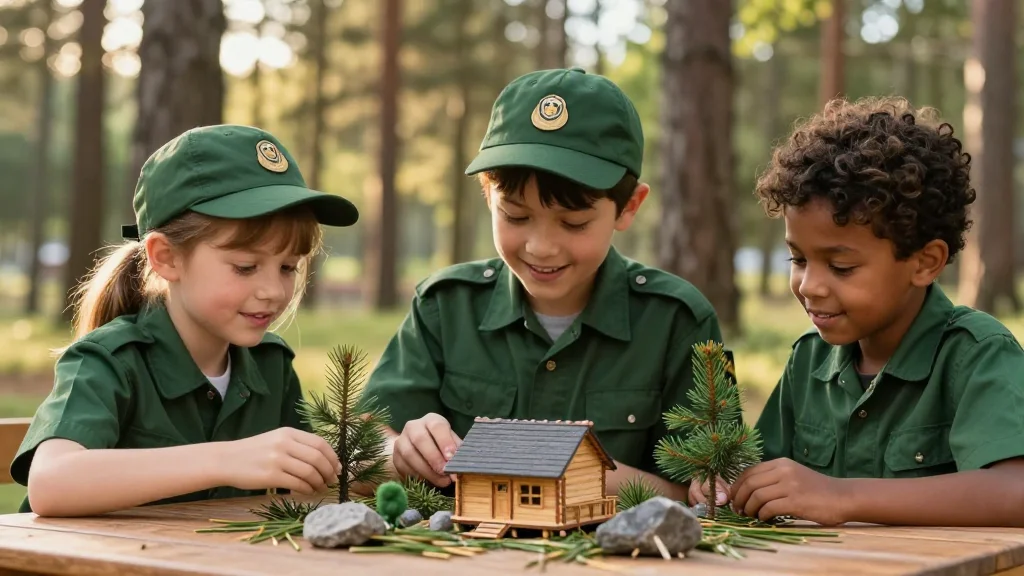
- •Students researched a specific national park, created dioramas, and presented findings.
- •Sams visited 132 national parks and oversaw more than 20,000 NPS employees during his tenure.
- •Field trips included Fort Walla Walla, Whitman Mission, Spring Creek, Heritage Museum, and Sumpter Dredge.
- •Student dioramas will be displayed at the District Art Show, May 5‑7, 2026, at the Pendleton Convention Center.
Pulse Analysis
Pendleton’s national‑parks unit taps into a rising market for experiential education, a trend accelerated by post‑pandemic parental demand for learning that cannot be replicated online. Schools that embed fieldwork, community experts, and cultural narratives are differentiating themselves in a competitive enrollment landscape. The involvement of Chuck Sams adds credibility and media appeal, turning a standard classroom project into a community event that can be leveraged for fundraising and partnership development.
Historically, public‑school curricula have been slow to integrate place‑based learning due to logistical and budgetary hurdles. Pendleton’s approach—leveraging local tribal connections and existing historic sites—shows a scalable blueprint: use nearby resources, invite subject‑matter experts, and create showcase events that involve families directly. This model could inspire districts in other regions to replicate the format, especially where natural landmarks are abundant.
Looking ahead, the key challenge will be sustaining momentum as the unit concludes. Continued investment in teacher training, curriculum development, and cross‑district collaborations will be essential. If Pendleton can demonstrate measurable gains in student engagement and academic outcomes, it may set a precedent that reshapes how parents evaluate school quality, shifting the focus from test scores to experiential richness.
Pendleton 4th Graders Showcase National Parks Unit After Talk with Former NPS Director
Comments
Want to join the conversation?
Loading comments...