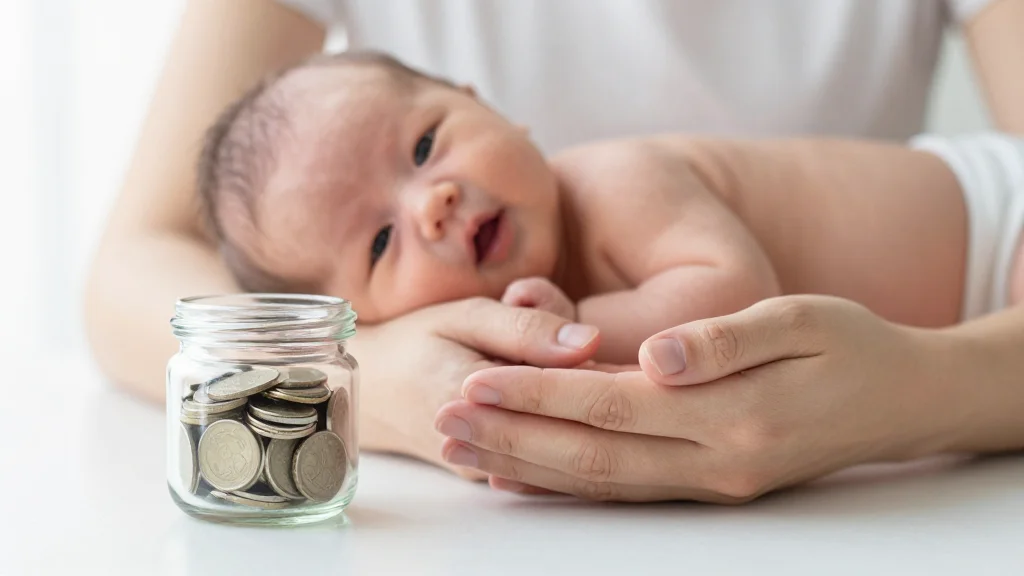
Rx Kids Cash Program Cuts Preterm Births 18% in Flint, Boosting Infant Health

Why It Matters
The Rx Kids findings challenge the conventional view that health outcomes are primarily driven by clinical care, highlighting instead the power of economic stability during pregnancy and infancy. By demonstrating that modest cash transfers can produce sizable reductions in preterm births and NICU admissions, the study provides a data‑driven argument for integrating financial assistance into public‑health strategies aimed at families. For parents, the program offers a tangible safety net that can alleviate the stressors that often undermine prenatal health, potentially setting children on a healthier trajectory from day one. If replicated at scale, the model could shift funding priorities away from reactive medical spending toward proactive socioeconomic interventions. This reallocation could lower overall health‑care costs, reduce health disparities, and create a more equitable foundation for child development across the United States.
Key Takeaways
- •Rx Kids provided $1,500 during pregnancy and $500 monthly through the infant's first year.
- •Study of ~4,500 Flint births showed an 18% drop in preterm births.
- •Low‑birthweight cases fell 27% and NICU admissions declined 29% after program rollout.
- •Participants reported improved housing stability, reduced food insecurity, and better maternal mental health.
- •Researchers call the program a cost‑effective public‑health intervention with potential for national replication.
Pulse Analysis
The Rx Kids program illustrates a growing consensus that socioeconomic levers can be as potent as medical ones in shaping early health outcomes. Historically, parenting support policies have focused on education, nutrition, or direct health services. By injecting cash at a critical juncture, Rx Kids sidesteps the administrative overhead of in‑kind benefits and empowers families to address their most pressing needs, whether that be rent, utilities, or prenatal vitamins. This flexibility likely contributed to the near‑universal participation rates observed in the study.
From a market perspective, the success of Rx Kids could catalyze a new wave of public‑private partnerships aimed at scaling cash‑prescription models. Fintech firms, health insurers, and community health organizations may see opportunities to bundle financial assistance with tele‑health services, data analytics, and outcome‑based reimbursement structures. However, the model also raises questions about sustainability: cash transfers require reliable funding streams, and political shifts could jeopardize long‑term commitments. Stakeholders will need to demonstrate not only short‑term health gains but also downstream benefits such as reduced special‑education costs and higher lifetime earnings for children.
Looking ahead, the key test will be whether the health improvements observed in Flint translate to diverse settings with different cost‑of‑living pressures and demographic profiles. If subsequent studies confirm the program’s efficacy across varied contexts, policymakers could leverage Rx Kids as a blueprint for a national child‑benefit framework, potentially reshaping the parenting support landscape for a generation.
Rx Kids Cash Program Cuts Preterm Births 18% in Flint, Boosting Infant Health
Comments
Want to join the conversation?
Loading comments...