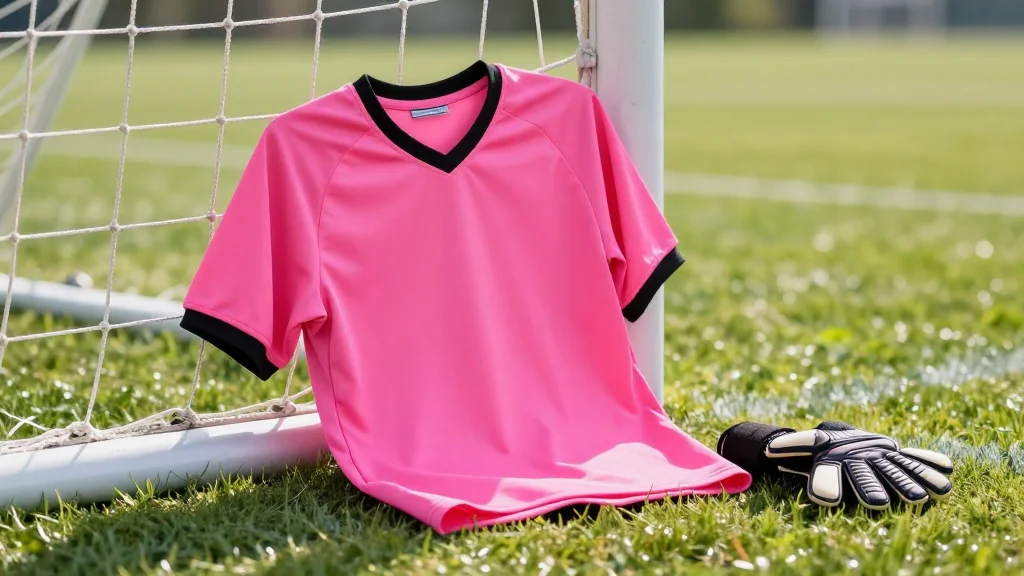
Soccer Teammates Push Pink Jersey, Sparking Parental Debate on Gender Norms

Why It Matters
The incident illustrates how gendered expectations infiltrate even low‑stakes environments like youth soccer, shaping children’s self‑esteem and willingness to express individuality. When peers enforce narrow definitions of masculinity, children may suppress interests, leading to longer‑term impacts on identity formation and mental health. For parents, understanding these dynamics is crucial for fostering environments where children feel safe to explore preferences without fear of ridicule. Moreover, the episode signals a cultural shift: as gender norms become more fluid, resistance from peer groups can create friction that parents must navigate. Addressing these moments early can prevent entrenched stereotypes and promote a generation that judges peers by skill and character rather than color or clothing.
Key Takeaways
- •Youth soccer goalie forced to abandon pink jersey after teammate teasing.
- •Coach allowed any jersey color, but peer pressure overrode policy.
- •Historical note: pink was once a masculine color in Western fashion.
- •Slate column advises parents to affirm agency while confronting bias.
- •Father plans to discuss with coach and other parents to foster inclusivity.
Pulse Analysis
The pink‑jersey episode is a micro‑example of a larger cultural clash between evolving gender norms and entrenched stereotypes. Historically, colors have shifted gender connotations—pink’s transition from masculine to feminine in the mid‑20th century mirrors today’s broader redefinition of gender expression. Youth sports, with their emphasis on teamwork and conformity, become fertile ground for these tensions. Parents who merely tell children to "be themselves" without addressing the social mechanics risk leaving kids vulnerable to bullying. Instead, a strategic blend of personal affirmation and systemic advocacy—engaging coaches, setting team norms, and educating peers—offers a more robust defense against gender policing.
From a market perspective, this story underscores a growing demand for resources that help families navigate gender identity issues in everyday settings. Parenting platforms, counseling services, and even sports organizations are beginning to develop curricula and policies that address bias, indicating a potential expansion of a niche yet rapidly scaling segment of the parenting industry. Companies that can provide evidence‑based tools for parents—such as conversation guides, workshops, or digital modules—stand to capture a market eager for practical solutions.
Looking forward, the ripple effect of one family’s dialogue could catalyze broader change within youth leagues. If clubs adopt formal anti‑bias policies and incorporate gender‑inclusivity training, the normalization of non‑traditional colors and expressions could become standard practice, reducing the need for parents to intervene on a case‑by‑case basis. The key will be translating anecdotal experiences like Manny’s into institutional reforms that protect all children, regardless of the hue of their jersey.
Soccer Teammates Push Pink Jersey, Sparking Parental Debate on Gender Norms
Comments
Want to join the conversation?
Loading comments...