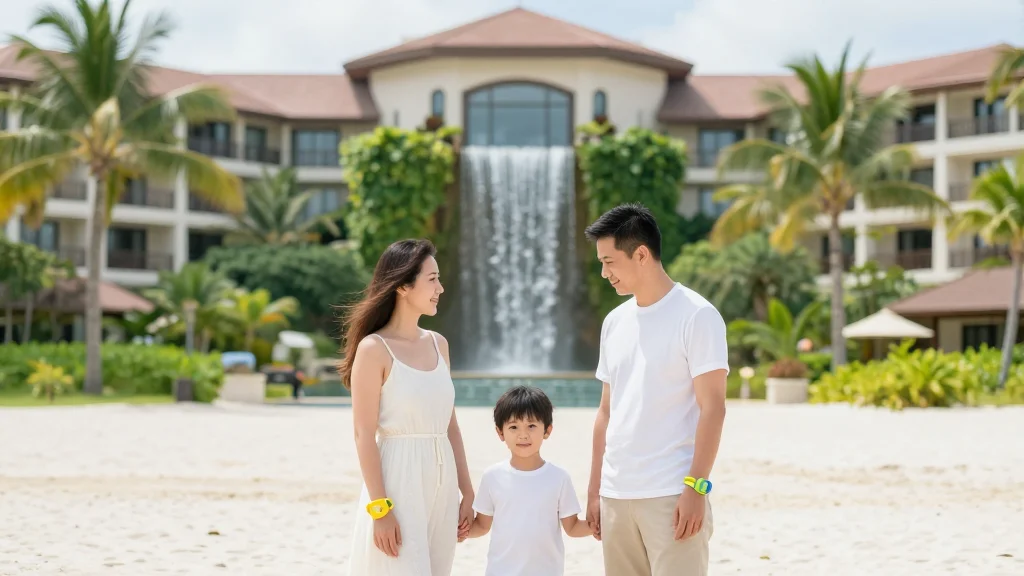
South Florida Autism Charter School Leads 20-Student Trip to Jamaica for Inclusive Learning

Why It Matters
The Jamaica trip spotlights a shift in parenting priorities toward experiential, inclusive education for children on the autism spectrum. By demonstrating that structured travel can be both safe and enriching, SFACS challenges longstanding assumptions that autistic children are limited to local or specialized activities. This model empowers families to seek broader horizons, potentially improving social development, independence, and family cohesion. Moreover, the initiative pressures the tourism industry to adopt autism‑friendly standards, expanding market opportunities for hotels, resorts, and travel agencies that cater to neurodiverse travelers. In the broader parenting ecosystem, the success of such programs may catalyze policy discussions around funding for experiential learning trips, insurance coverage for special‑needs travel, and curriculum integration of real‑world experiences. As more schools and parent groups emulate this approach, the demand for specialized training among travel providers is likely to increase, fostering a more inclusive travel economy.
Key Takeaways
- •South Florida Autism Charter School took 20 students, parents, and staff on a four‑day trip to Jamaica.
- •The group stayed at Iberostar Resort and visited Dunn’s River Falls, a landmark often missed by special‑needs travelers.
- •Founder Dr. Tamara Moodie emphasized confidence‑building and independence as primary goals.
- •The trip was delayed by Hurricane Melissa, resulting in a smaller, more focused group.
- •SFACS plans to use the experience as a template for future inclusive travel programs.
Pulse Analysis
SFACS’s Jamaica excursion arrives at a moment when parents of autistic children are increasingly demanding experiences that mirror those of neurotypical peers. Historically, special‑needs education has been confined to classroom‑based interventions, but the pandemic accelerated interest in outdoor, experiential learning as a way to address social and sensory development. This trip leverages that momentum, positioning the charter school as a pioneer in integrating travel into its therapeutic curriculum.
From a market perspective, the venture signals untapped potential for niche tourism. While mainstream resorts have begun to market sensory‑friendly rooms, few have partnered directly with educational institutions to design comprehensive itineraries. SFACS’s collaboration with Iberostar showcases a win‑win: the resort gains visibility among a growing demographic, and the school secures a controlled environment for its students. If the post‑trip evaluation confirms measurable gains in student confidence and parental satisfaction, we can expect a ripple effect—other charter schools may allocate budget for similar trips, and insurers might consider covering such experiences as part of therapeutic services.
Looking ahead, the key challenge will be scaling the model without diluting its quality. Larger groups could strain staff‑to‑student ratios, while expanding to other destinations will require careful vetting of local infrastructure and cultural attitudes toward autism. Nonetheless, the Florida charter’s bold step sets a precedent: inclusive travel is not a luxury but an essential component of holistic autism education. As more families and schools adopt this mindset, the parenting landscape will likely see a surge in demand for specialized travel agencies, training programs for hospitality staff, and policy frameworks that support inclusive tourism.
South Florida Autism Charter School Leads 20-Student Trip to Jamaica for Inclusive Learning
Comments
Want to join the conversation?
Loading comments...