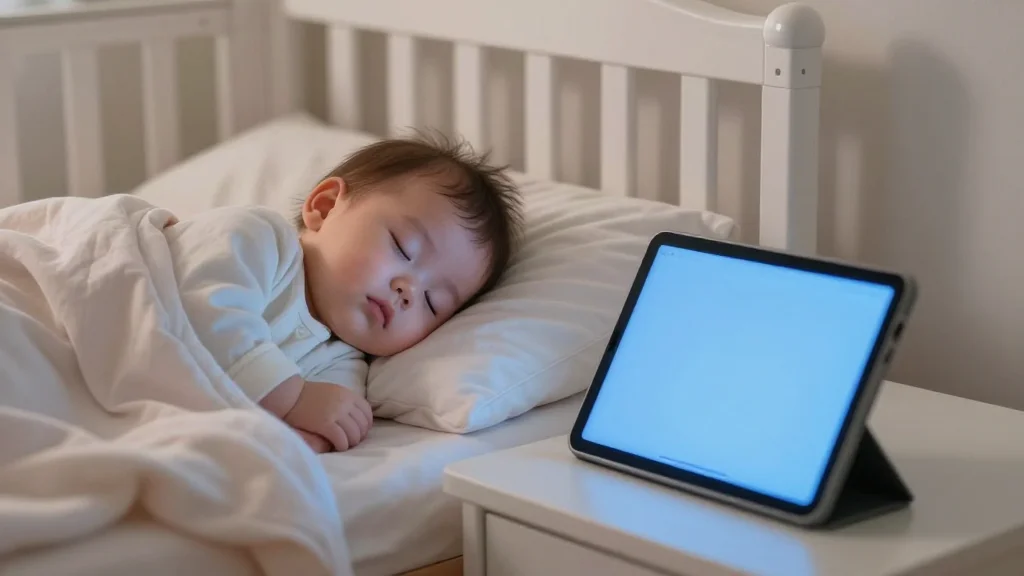
Study Finds 70% of Infants Exposed to Screens, 10% Sleep With Devices

Why It Matters
Early exposure to screens can interfere with the formation of neural pathways that underpin language, attention and emotional regulation. If the trends identified in the study persist, a generation of children may face heightened risks of developmental delays, placing additional strain on education and health systems. Moreover, the lack of professional advice reported by 85% of parents signals a systemic shortfall in preventive child‑health messaging, which could exacerbate socioeconomic disparities. Policymakers now have concrete data to justify stricter enforcement of existing screen‑time guidelines and to fund public‑education initiatives. By addressing the gap between recommendation and practice, governments can help parents make informed choices that protect infant development during the most vulnerable period of brain growth.
Key Takeaways
- •More than 70% of infants are regularly exposed to digital screens, according to the 1001 Critical Days Foundation study.
- •10% of surveyed babies regularly fall asleep while using a device.
- •Higher screen use is linked to sleep disruption, delayed language development and behavioural issues.
- •85% of parents said they received no advice on screen use from health services.
- •Dame Andrea Leadsom called the findings "shocking" and urged stronger government action.
Pulse Analysis
The study arrives at a moment when digital devices have become ubiquitous in households, even among the youngest children. Historically, screen‑time guidelines have been based on limited data; this large‑scale survey provides a clearer picture of how pervasive the issue has become. The gap between policy and practice suggests that existing guidance—no screen time for under‑twos except shared activities—has not been effectively communicated or enforced. This disconnect is likely driven by socioeconomic pressures, where parents rely on screens to occupy children while managing work or household duties.
From a market perspective, the findings could spur growth in the niche of "baby‑friendly" content and hardware designed for supervised use. Companies that can demonstrate compliance with developmental best practices may capture a segment of parents seeking safe digital engagement. Conversely, manufacturers of generic tablets and streaming services may face increased scrutiny and potential regulation, especially if future studies link screen exposure to measurable deficits in school performance.
Looking ahead, the follow‑up longitudinal report promised by the foundation will be pivotal. If it confirms that early screen exposure translates into measurable academic or health outcomes, legislators may consider stricter labeling requirements, similar to nutritional warnings on food. For parents, the immediate takeaway is the importance of proactive dialogue with health professionals and the adoption of screen‑free routines during the critical first two years of life. The study thus serves as both a warning and a catalyst for coordinated action across health, education and technology sectors.
Study Finds 70% of Infants Exposed to Screens, 10% Sleep With Devices
Comments
Want to join the conversation?
Loading comments...