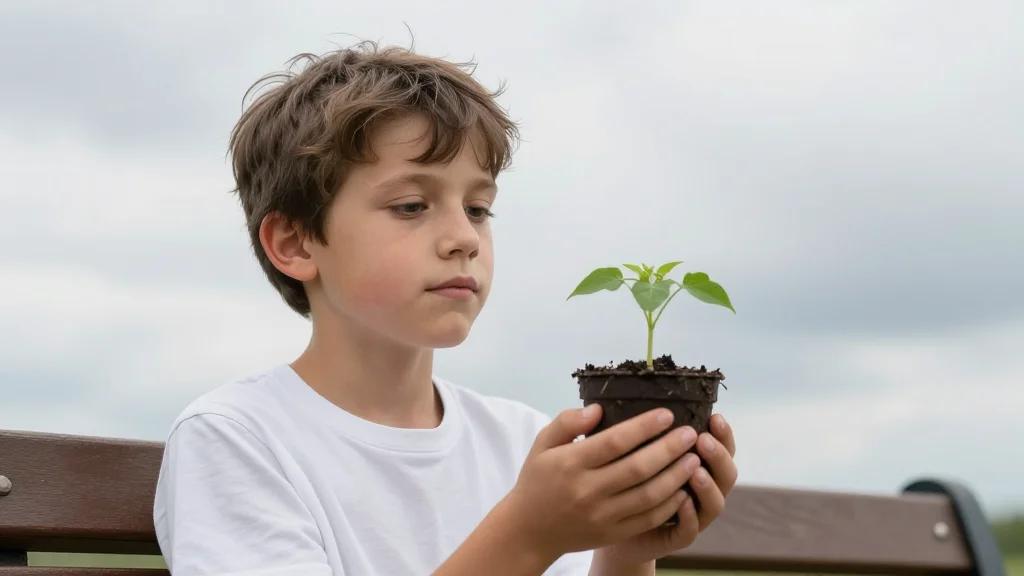
Study Finds Australian Children Experience Deep Eco‑Anxiety, Urging Parental Support

Why It Matters
Eco‑anxiety among children signals a shift in the mental‑health landscape, where climate change is no longer an abstract future threat but a present source of distress. Parents, educators and clinicians must adapt their approaches to support young people who are processing complex environmental realities. Failure to address these feelings could lead to chronic anxiety, reduced academic performance, and disengagement from civic participation. The study also underscores the role of families as primary mediators of climate information. By creating safe spaces for discussion and encouraging proactive involvement—such as community clean‑ups or school sustainability projects—parents can help children channel worry into constructive action, fostering resilience and a sense of agency.
Key Takeaways
- •15 Australian primary‑school children aged 9‑12 were interviewed about environmental change.
- •Every child reported worry; many also expressed sadness, anger and hopelessness.
- •Quotes include a ten‑year‑old saying, “This is our home… we won’t be able to get it back.”
- •Study recommends open family dialogue and age‑appropriate climate education.
- •Future research will broaden the demographic scope and track emotional trends over time.
Pulse Analysis
The emergence of eco‑anxiety in pre‑teens marks a new frontier for parenting guidance. Historically, parental concerns have centered on academic pressure, social media, and traditional health issues. Climate‑related stress adds a layer that is both global and deeply personal, forcing families to confront a problem that feels beyond individual control. This shift mirrors broader societal trends where younger generations are demanding accountability from institutions, and it places parents in the role of both educator and emotional anchor.
From a market perspective, the findings are likely to spur growth in child‑focused mental‑health services that incorporate environmental themes. Therapists are already developing eco‑therapy modalities, and publishers are expanding curricula that blend climate science with emotional literacy. Companies that provide nature‑based experiences—such as outdoor adventure camps and community gardening kits—stand to benefit as parents seek tangible ways to mitigate anxiety.
Looking ahead, the key question is how quickly the ecosystem of support can scale. If schools, healthcare providers and parent groups can coordinate to deliver consistent messaging and coping tools, eco‑anxiety could become a catalyst for positive civic engagement rather than a source of chronic distress. Conversely, neglecting this emerging issue may exacerbate mental‑health disparities, especially among children in regions most affected by climate impacts. The study’s call for early, open dialogue offers a practical roadmap for parents to transform fear into agency, shaping a generation that is both emotionally resilient and environmentally proactive.
Study Finds Australian Children Experience Deep Eco‑Anxiety, Urging Parental Support
Comments
Want to join the conversation?
Loading comments...