Study Finds Caregiver Modeling Drives Toddler Helping and Motor Growth

Why It Matters
Early prosocial behavior is a predictor of later social competence, academic success, and mental health. By demonstrating that caregiver modeling and motor skill development jointly influence infant helping, the study offers a practical roadmap for parents seeking to foster empathy and cooperation from the first year of life. Policymakers and early‑education programs can leverage these insights to design curricula that integrate motor‑skill activities with collaborative tasks, potentially narrowing gaps in social development that emerge later. Moreover, the research adds empirical weight to theories that view prosocial behavior as a product of both innate capacities and environmental scaffolding. Understanding the mechanisms at play enables clinicians, pediatricians, and child‑development specialists to advise families on evidence‑based practices, moving beyond anecdotal guidance toward data‑driven recommendations.
Key Takeaways
- •Study tracked 118 mother‑infant pairs at 6, 10 and 14 months.
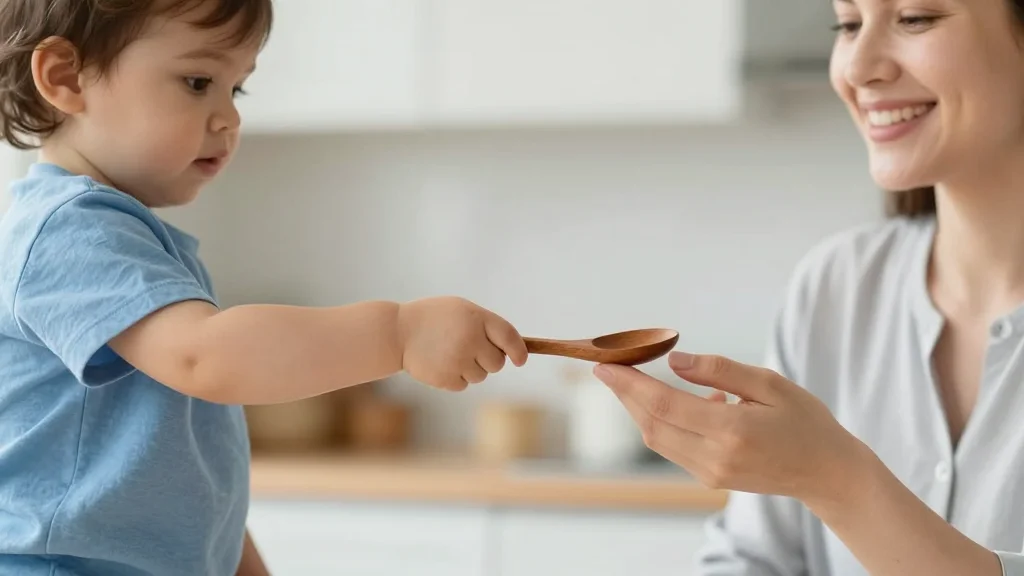
- •Maternal modeling of helpful actions increased infant helping toward the caregiver.
- •Motor skill advancement was positively correlated with helping behavior.
- •Helping toward unfamiliar adults did not increase with caregiver modeling.
- •Research funded by the German Research Foundation, published in *Child Development*.
Pulse Analysis
The Munich study arrives at a moment when parenting advice is saturated with buzzwords but often lacks rigorous evidence. By tying two distinct developmental domains—motor proficiency and prosocial behavior—into a single longitudinal framework, the researchers bridge a gap that has traditionally separated physical and social milestones. This integrated view aligns with emerging neuroscience that sees brain networks for action and empathy as co‑developing.
From a market perspective, the findings could stimulate demand for parenting products and services that combine motor‑skill toys with cooperative play scenarios. Companies that market developmental kits may pivot to emphasize “helping” as a core outcome, positioning themselves as facilitators of both physical and social growth. Early‑child education providers might also adopt curricula that embed caregiver‑modeled helping into daily routines, differentiating themselves in a competitive preschool landscape.
Looking forward, the study’s call for broader, more diverse samples signals an opportunity for cross‑cultural research. If similar patterns hold in varied socioeconomic settings, the implications could inform public‑policy initiatives aimed at reducing early‑life inequities in social competence. For parents, the takeaway is clear: everyday chores are not just chores—they are training grounds for the next generation’s collaborative spirit.
Study Finds Caregiver Modeling Drives Toddler Helping and Motor Growth
Comments
Want to join the conversation?
Loading comments...