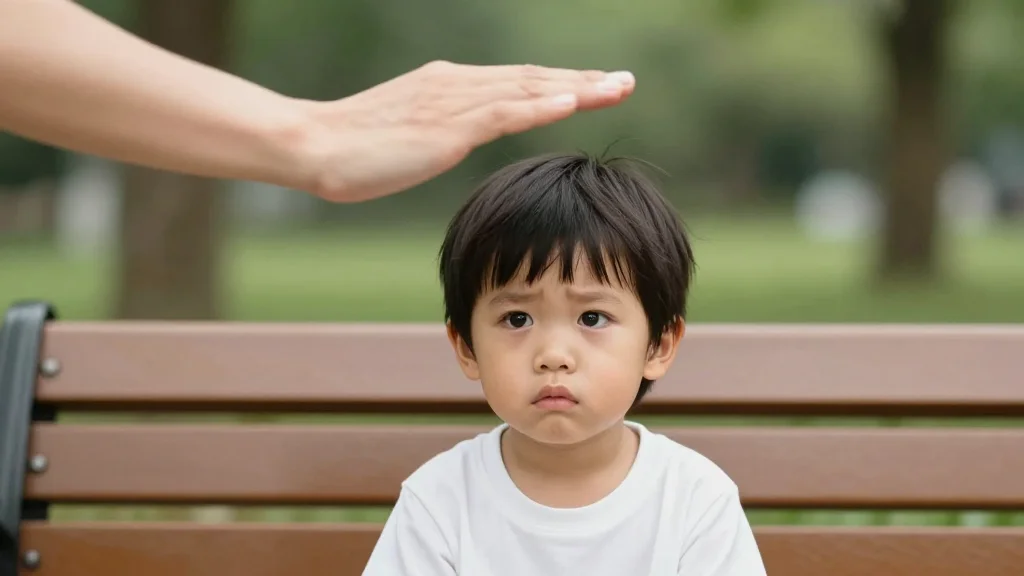
Study Links Intensive Parenting to Rising Childhood Anxiety

Why It Matters
The link between intensive parenting and childhood anxiety reshapes how families, schools, and health providers approach child development. As anxiety disorders become a leading cause of pediatric mental‑health visits, understanding modifiable risk factors like parenting style offers a tangible lever for prevention. Moreover, the study challenges cultural narratives that equate constant supervision with good parenting, prompting a reevaluation of societal expectations and potentially influencing policy on early‑childhood education and parental leave. If the findings hold up under further scrutiny, they could drive a shift toward parenting resources that emphasize resilience‑building, risk‑taking, and emotional self‑regulation. Such a shift would not only alleviate individual suffering but also reduce the broader economic burden of anxiety‑related health care, lost productivity, and educational support services.
Key Takeaways
- •Ortiz and Fastman’s study finds a strong correlation between intensive parenting and heightened child anxiety.
- •The authors attribute the trend to an evolutionary mismatch between modern supervision and ancestral child independence.
- •Critics argue that safety concerns and other societal factors also contribute to anxiety rates.
- •Recommendations include promoting age‑appropriate risk‑taking and unstructured play to build resilience.
- •Future research will aim to quantify long‑term mental‑health outcomes of different parenting styles.
Pulse Analysis
The surge in parental involvement over the past two decades reflects broader socioeconomic shifts—dual‑income households, heightened safety awareness, and digital connectivity have all nudged parents toward a more hands‑on approach. Historically, child‑rearing practices have oscillated between communal, autonomous models and more protective, family‑centric ones. The current wave of intensive parenting appears to be the latest inflection point, amplified by social media’s showcase of idealized childhood experiences.
From a market perspective, the study could catalyze growth in sectors that promote balanced parenting. Companies offering guided outdoor programs, risk‑management curricula, and resilience‑training tools may see increased demand. Simultaneously, pediatric practices might expand counseling services that address parental anxiety and over‑protectiveness, creating new revenue streams for mental‑health providers.
Looking forward, the conversation is likely to move beyond the binary of “helicopter” versus “hands‑off” parenting toward a nuanced framework that integrates safety, autonomy, and cultural context. Policymakers may consider incentives for schools to incorporate free‑play periods, while insurers could adjust coverage to include preventive parenting workshops. The ultimate test will be whether these interventions translate into measurable reductions in childhood anxiety rates, a metric that will shape the next generation of parenting guidance.
Study Links Intensive Parenting to Rising Childhood Anxiety
Comments
Want to join the conversation?
Loading comments...