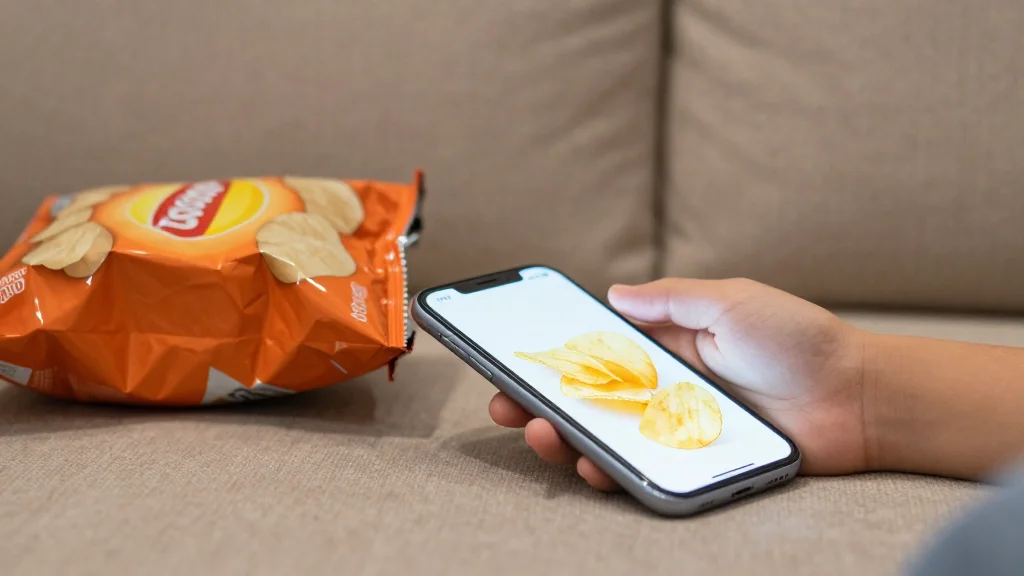
Study Links Kids' Screen Time to Junk‑Food Cravings as AAP Guidelines Remain 2016 Standard

Why It Matters
Understanding the link between screen time and junk‑food cravings is critical for public health because it connects two major contributors to childhood obesity: sedentary digital habits and poor diet quality. If dopamine‑driven cravings become entrenched, children may develop lifelong patterns of overeating and reduced physical activity, amplifying the burden on healthcare systems. The AAP’s 2016 guidelines remain the primary reference for pediatricians and schools, but the emerging science suggests those recommendations may be outdated. Updating the guidance could empower parents with concrete strategies—such as timed media breaks paired with healthy snack options—to mitigate the neurochemical pull toward unhealthy foods.
Key Takeaways
- •Research discussed on NPR‑backed KERA program links >3 hours of daily screen time to doubled junk‑food cravings in kids.
- •Michaeleen Doucleff clarified that dopamine drives desire, not pleasure, influencing eating behavior after screen exposure.
- •AAP’s most recent screen‑time guidelines were published in 2016 and have not been officially updated.
- •Experts recommend integrating screen‑time limits with nutrition counseling during pediatric visits.
- •Longitudinal studies are planned to track metabolic effects of combined screen use and junk‑food consumption.
Pulse Analysis
The convergence of neuroscience and nutrition research creates a new frontier for parenting advice. Historically, screen‑time guidelines focused on developmental milestones and behavioral issues; now, the dopamine framework adds a metabolic dimension. This shift could reshape how pediatricians counsel families, moving from a purely time‑based metric to a more nuanced approach that pairs digital limits with dietary interventions.
From a market perspective, the findings open opportunities for tech companies to embed health‑focused features—such as automatic snack‑break reminders—into devices and streaming platforms. Simultaneously, food manufacturers may face pressure to reformulate products marketed to children, especially if regulators begin to consider screen exposure as a factor in nutritional labeling.
Looking ahead, the AAP’s pending review of its guidelines will likely incorporate these neurobehavioral insights. If the academy adopts a dual‑focus recommendation—capping screen minutes while promoting balanced meals—it could set a new standard that influences school policies, advertising regulations, and parental practices nationwide. The next year will be pivotal in translating scientific discovery into actionable public policy.
Study Links Kids' Screen Time to Junk‑Food Cravings as AAP Guidelines Remain 2016 Standard
Comments
Want to join the conversation?
Loading comments...