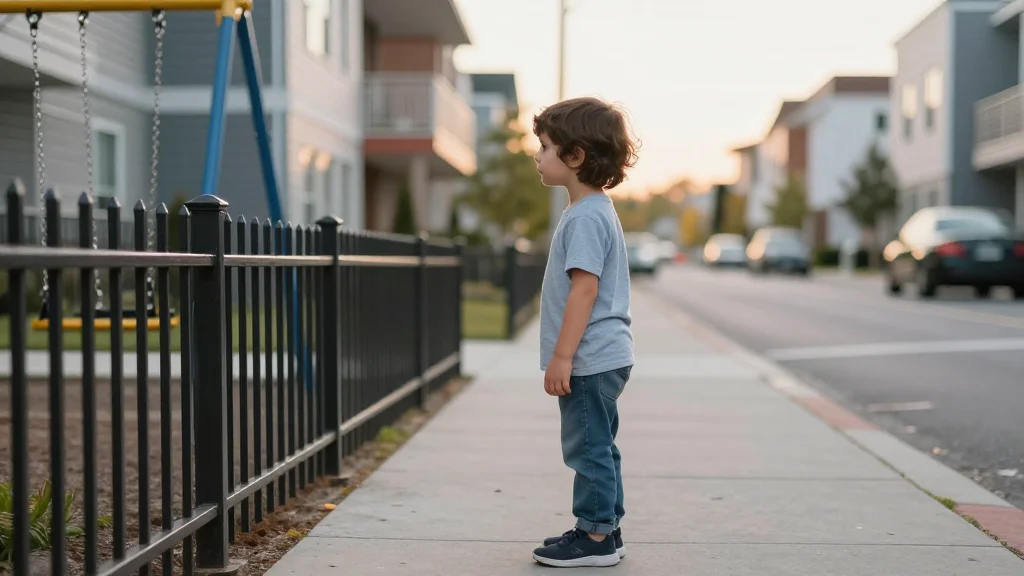
Study Links Urban Design to Declining Play Opportunities for Children

Why It Matters
For parents, the erosion of accessible play spaces translates into higher childcare costs, tighter schedules, and increased stress. Independent outdoor play is linked to better mental health, cognitive growth, and social skills, so its decline threatens core aspects of child development. Moreover, the inequities highlighted in the study mean that children from marginalized communities are disproportionately deprived of these benefits, potentially widening long‑term socioeconomic gaps. From a policy perspective, the findings provide a data‑driven rationale for integrating child‑centric metrics into urban planning. Cities that prioritize safe, connected play environments can improve public health outcomes, reduce future demand for remedial services, and foster stronger community cohesion. The research therefore serves as a catalyst for cross‑sector collaboration between parents, educators, planners, and elected officials.
Key Takeaways
- •Traffic congestion and dense housing reduce independent outdoor play, according to recent research.
- •Structured play programs often carry fees and scheduling constraints that burden working parents.
- •Children in high‑density and low‑income neighborhoods face the greatest access barriers.
- •The concept of a "third place" is proposed as a community‑based solution to play inequity.
- •Municipal meetings slated for 2026–2027 may adopt child‑friendly design standards.
Pulse Analysis
The convergence of academic research and local journalism on this issue signals a shift from anecdotal concerns to evidence‑based advocacy. Historically, urban planning has prioritized vehicular traffic and commercial growth, relegating play spaces to an afterthought. This new focus on play as a public health imperative aligns with broader trends in city governance that emphasize livability and equity. By quantifying the developmental costs of lost play, the study equips parents and community groups with a compelling argument to demand policy change.
Competitive dynamics are also emerging. Private developers are beginning to market "play‑centric" residential projects, touting on‑site playgrounds and safe pedestrian pathways as selling points. Meanwhile, municipalities that adopt progressive play‑friendly zoning may attract families seeking higher quality of life, potentially influencing real estate values and local tax bases. This creates a feedback loop where child‑focused design becomes both a social good and an economic differentiator.
Looking ahead, the real test will be whether city councils translate these findings into actionable standards. Successful implementation could set a precedent for other jurisdictions, prompting a cascade of reforms that embed child development metrics into urban policy. Conversely, if funding constraints or political resistance stall progress, the disparity in play opportunities may widen, reinforcing existing inequities. Parents, educators, and health professionals will likely continue to monitor these developments, using the study's data to lobby for sustained investment in child‑friendly infrastructure.
Study Links Urban Design to Declining Play Opportunities for Children
Comments
Want to join the conversation?
Loading comments...