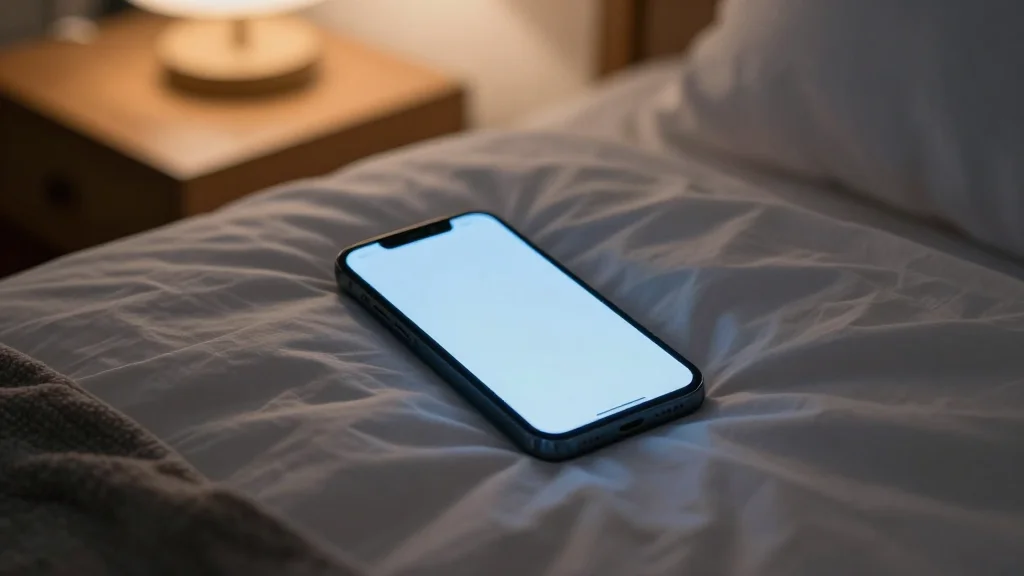
Study Shows Over 50% of U.S. Teens Use Phones Overnight, Cutting Sleep Hours

Why It Matters
Sleep is a cornerstone of adolescent brain development, and chronic deprivation can set the stage for lifelong health challenges. By quantifying the prevalence of overnight phone use, the study provides a concrete target for parents and policymakers seeking to reverse a trend that threatens academic achievement and mental well‑being. The research also underscores the need for coordinated public‑health messaging that aligns pediatric recommendations with practical tools families can adopt. If families adopt the suggested media‑free zones and bedtime routines, the potential ripple effects include higher test scores, reduced behavioral issues, and lower rates of teen anxiety and depression. Conversely, failure to address the habit could exacerbate existing disparities, as teens from lower‑income households often lack access to alternative nighttime activities.
Key Takeaways
- •52% of U.S. teens spend at least one hour on phones after bedtime on school nights
- •Recommended sleep for teenagers is 8‑10 hours per night
- •AAP advises family media plans and screen‑free bedrooms
- •Study links reduced sleep to poorer cognitive and emotional outcomes
- •Future research will track impact of media‑free interventions over two years
Pulse Analysis
The study arrives at a moment when the pandemic‑induced digital boom is solidifying into a new normal for teen behavior. Historically, sleep education campaigns have struggled to gain traction because they compete with the instant gratification of social media. This report, however, quantifies the problem in a way that is actionable for parents: a single hour of nightly phone use translates directly into lost sleep minutes that add up over weeks and months.
From a market perspective, the findings could accelerate demand for parental‑control technologies, such as automated device shutdowns and wearable sleep trackers. Companies that bundle these tools with educational content may find a receptive audience among families seeking evidence‑based solutions. At the same time, tech firms that rely on late‑night engagement will face increased scrutiny, potentially prompting them to redesign notification algorithms to be less intrusive after typical bedtime hours.
Looking ahead, the study’s longitudinal component will be critical. If the data show that families who adopt AAP‑recommended media plans see measurable improvements, schools and health systems may integrate these guidelines into curricula and routine check‑ups. The broader implication is a shift from reactive counseling to proactive, data‑driven prevention of sleep‑related health issues among adolescents.
Study Shows Over 50% of U.S. Teens Use Phones Overnight, Cutting Sleep Hours
Comments
Want to join the conversation?
Loading comments...