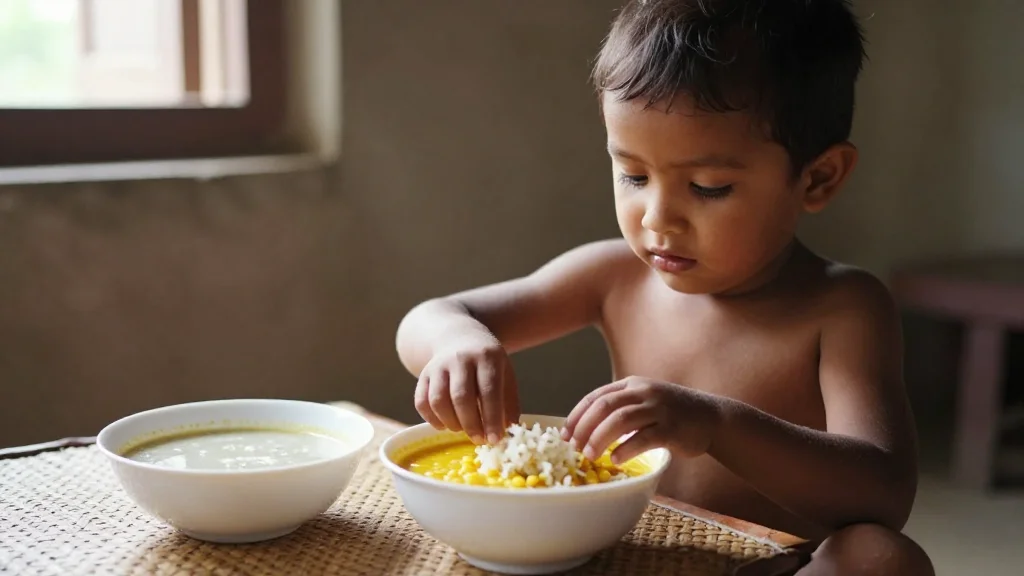
Survey Finds One in Five Nepali Children Under Five Suffer Moderate Acute Malnutrition

Why It Matters
The survey’s revelation that one in five Nepali children under five is moderately malnourished spotlights a hidden crisis that directly impacts parenting decisions, household budgeting, and child health outcomes. For parents, inadequate nutrition translates into stunted growth, weakened immunity and poorer cognitive development, limiting future educational and economic prospects. Moreover, the reliance on processed school meals signals systemic gaps in policy that, if unaddressed, could exacerbate health inequities across socioeconomic strata. From a broader perspective, the findings compel governments and NGOs to re‑evaluate nutrition‑security strategies, prioritize locally sourced foods, and strengthen monitoring of school feeding programs. The data also provide a benchmark for international donors seeking to allocate resources effectively, ensuring that interventions target the most vulnerable populations before moderate malnutrition escalates to severe, life‑threatening conditions.
Key Takeaways
- •National nutrition assessment covering 733 local units finds ~20% of children 0‑5 years suffer moderate acute malnutrition.
- •Survey highlights growing reliance on processed foods in school meals, exemplified by noodles and biscuits in Humla district.
- •Over 1% of children are classified with severe acute malnutrition, a condition ten times more likely to result in death.
- •Government’s Nutrition Section chief signals upcoming supplementary feeding programs to curb progression to severe malnutrition.
- •Findings prompt calls for policy reform, community education and increased funding from NGOs and international donors.
Pulse Analysis
The Nepalese malnutrition data marks a pivotal moment for the parenting ecosystem in South Asia. Historically, child nutrition in the region has been tied to agricultural cycles and household food security, but the rapid penetration of inexpensive, calorie‑dense processed foods is reshaping that dynamic. Parents now face a paradox: affordable, shelf‑stable meals are readily available, yet they lack the essential micronutrients required for healthy development. This tension mirrors trends seen in other low‑ and middle‑income countries where urbanization and market liberalization have outpaced public‑health safeguards.
From a market standpoint, the survey could catalyze a shift toward locally produced, nutrient‑rich food products. Entrepreneurs and social enterprises that can deliver affordable, culturally appropriate nutrition solutions stand to benefit from emerging government contracts and donor funding. Simultaneously, the data may trigger stricter regulations on school‑meal procurement, compelling ministries to prioritize whole grains, legumes and dairy over processed snacks.
Looking ahead, the success of any intervention will hinge on multi‑stakeholder collaboration. Parents must be empowered with nutrition education that demystifies the health costs of junk food, while schools need transparent procurement processes that align with dietary guidelines. International agencies, leveraging the UN’s recommendation for supplementary feeding, can provide technical assistance and financing to scale up community‑based nutrition programs. If these levers are coordinated effectively, Nepal could reverse the current trajectory, turning the alarming statistic into a catalyst for systemic change that benefits children, families and the nation’s future workforce.
Survey Finds One in Five Nepali Children Under Five Suffer Moderate Acute Malnutrition
Comments
Want to join the conversation?
Loading comments...