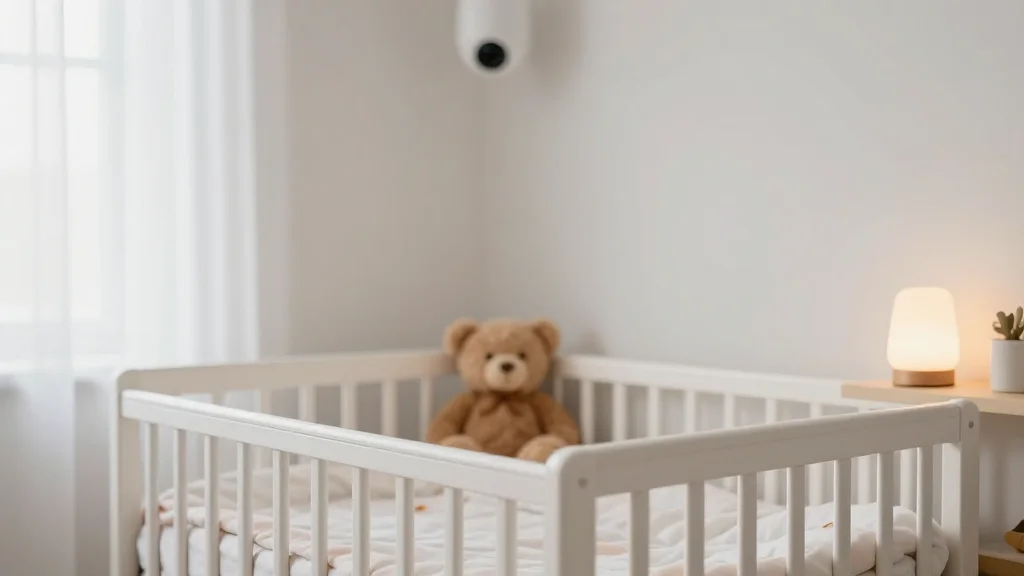
UK Labour MP Sonia Kumar Calls for National Nursery Safety Overhaul After Toddler Deaths

Why It Matters
The proposed national guidelines could reshape the early‑years landscape in the UK, directly affecting millions of families who rely on nursery care. By tightening recruitment checks and enforcing safer‑sleep practices, the reforms aim to reduce preventable tragedies and restore parental confidence. However, mandatory CCTV and stricter regulations also raise questions about cost, data privacy, and the capacity of smaller providers to comply, potentially reshaping market dynamics and prompting a wave of consolidation in the sector. For parents, clearer safety standards mean more transparency and accountability from childcare providers. For policymakers, the debate highlights the tension between protecting vulnerable children and imposing regulatory burdens on an already stretched early‑years workforce. The outcome will set a precedent for how the UK balances child welfare with operational feasibility in a sector that is essential to the modern economy.
Key Takeaways
- •Labour MP Sonia Kumar calls for mandatory enhanced DBS checks, standardized safer‑sleep rules and CCTV in all UK nurseries.
- •BBC data shows nearly 20,000 serious childcare incident reports in the past five years, a 40% rise.
- •Only about one‑third of nurseries currently have CCTV, according to an NDNA survey of 276 providers.
- •Department for Education plans to embed stricter safer‑sleep requirements into the EYFS framework by September 2026.
- •A Westminster Hall debate on mandatory CCTV is scheduled for later this month, with potential privacy and cost implications.
Pulse Analysis
The push for national nursery safety standards reflects a broader shift toward heightened regulatory scrutiny in the UK’s early‑years sector. Historically, safeguarding has relied on a patchwork of voluntary guidelines and periodic inspections by Ofsted. The tragic deaths of Noah Sibanda and Genevieve Meehan have crystallised public demand for a more uniform, enforceable framework. By tying enhanced DBS checks and safer‑sleep protocols to legislation, the government would move from advisory to mandatory compliance, reducing the discretion that has previously allowed unsafe practices to slip through.
From an industry perspective, the proposed changes could accelerate consolidation. Larger nursery chains, which already possess the capital to install CCTV and implement comprehensive training programs, will find it easier to meet the new thresholds. Smaller, independent providers may face steep upgrade costs, prompting them to either seek public subsidies, merge with larger groups, or risk non‑compliance penalties. This dynamic mirrors trends seen in other regulated sectors, where heightened safety mandates often precipitate market realignment.
Looking ahead, the success of the reforms will depend on the government’s ability to balance child protection with practical implementation. Funding mechanisms, clear guidance on data handling for CCTV footage, and a phased rollout could mitigate resistance from providers. If Parliament adopts the EYFS amendments and the CCTV debate yields a consensus, the UK could set a new benchmark for early‑years safety that other European nations might emulate, reshaping the global conversation on childcare standards.
UK Labour MP Sonia Kumar Calls for National Nursery Safety Overhaul After Toddler Deaths
Comments
Want to join the conversation?
Loading comments...