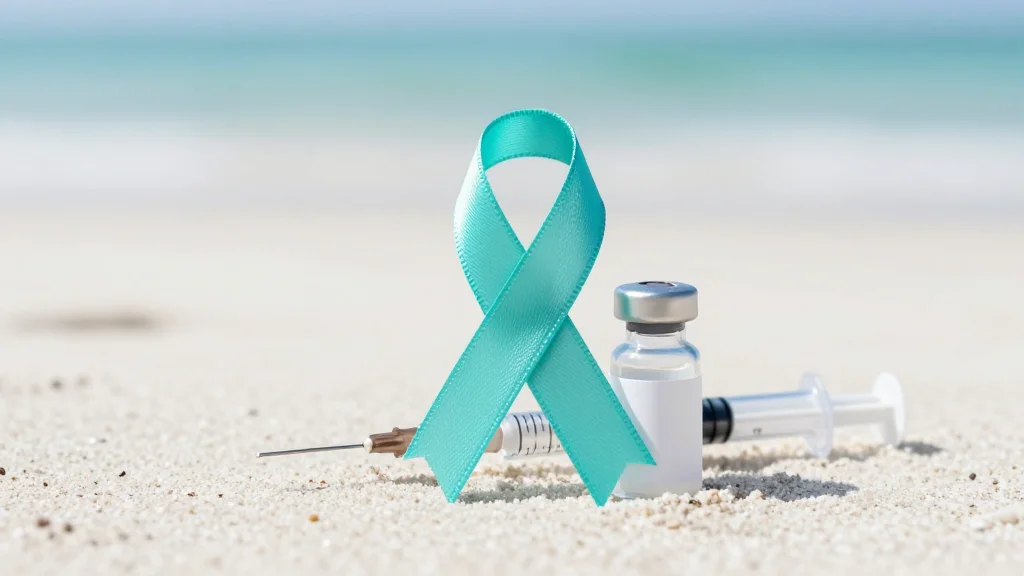
UNICEF and Rotary Launch HPV Vaccine Drive in Kiribati to Shield Girls From Cervical Cancer

Why It Matters
For parents, the availability of the HPV vaccine in Kiribati transforms an abstract health risk into a concrete preventive action. Cervical cancer accounts for a disproportionate share of female mortality in the Pacific, and early vaccination offers a proven method to break that cycle. By integrating the vaccine into routine school health services, the program reduces the burden on families who might otherwise travel long distances for medical care. Beyond individual families, the initiative underscores the importance of equitable health access in remote settings. Successful implementation can inspire other low‑income nations to prioritize adolescent health, reinforcing the notion that preventive care is a universal right, not a privilege limited to wealthier countries.
Key Takeaways
- •UNICEF Australia and Rotary began a school‑based HPV vaccination program in Kiribati in April 2026.
- •The campaign targets girls aged 9‑13, aiming to vaccinate 70 % of the eligible population within a year.
- •Cervical cancer is the leading cause of cancer death among women in Kiribati, with rates far above the global average.
- •Cold‑chain logistics involve portable refrigeration units and boat transport to reach over 30 islands.
- •First follow‑up dose scheduled for October 2026; interim coverage data to be released in early 2027.
Pulse Analysis
The Kiribati HPV rollout signals a turning point for vaccine delivery in dispersed island nations. Historically, immunization campaigns have struggled with the twin challenges of geography and limited health infrastructure, often relying on sporadic outreach that fails to achieve high coverage. By embedding the vaccine within school schedules and leveraging Rotary’s volunteer network, UNICEF has created a hybrid model that blends top‑down health policy with grassroots mobilization. This approach reduces the cost per dose administered and improves data collection, offering a replicable blueprint for other Pacific states such as Tuvalu and the Solomon Islands.
From a market perspective, the initiative may stimulate demand for low‑temperature vaccine technologies and portable cold‑chain solutions. Companies that specialize in solar‑powered refrigeration or rugged vaccine carriers could find new customers among NGOs and ministries seeking to replicate Kiribati’s success. Moreover, the program aligns with the WHO’s 2030 cervical cancer elimination targets, positioning donors to allocate resources toward proven, scalable interventions rather than experimental pilots.
Looking ahead, the true test will be the sustainability of the effort once international partners step back. If Kiribati can integrate HPV vaccination into its routine immunization budget and maintain high community trust, the country could achieve herd immunity levels that dramatically cut future cancer treatment costs. For parents, the lasting impact will be a generation of girls who grow up with a reduced risk of a disease that has historically claimed the lives of countless mothers, thereby strengthening family stability and economic resilience across the islands.
UNICEF and Rotary Launch HPV Vaccine Drive in Kiribati to Shield Girls from Cervical Cancer
Comments
Want to join the conversation?
Loading comments...