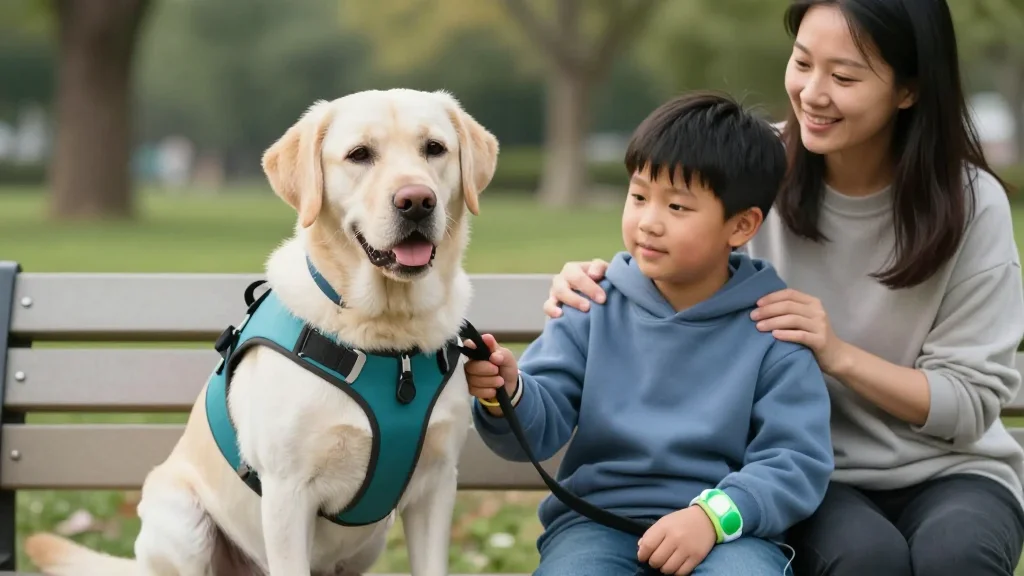
Victoria Mom Battles $30,000 Service Dog Cost for Neurodivergent Son

Companies Mentioned
Why It Matters
The Parkers’ story illustrates how high training costs and limited program capacity create barriers for families seeking essential support for neurodivergent children. As more parents turn to service dogs to manage anxiety, seizures, and meltdowns, the demand for affordable, inclusive training pathways is rising. Without systemic funding solutions, many families will continue to rely on crowdfunding, which can be unpredictable and insufficient. Addressing this gap could improve educational outcomes, reduce emergency‑room visits, and lessen caregiver burnout. Policymakers and health‑care insurers have an opportunity to recognize service‑dog training as a medical necessity, aligning funding with other assistive devices and therapies already covered under provincial health plans.
Key Takeaways
- •Nicole Bengtsson seeks a $20,000‑$40,000 service dog for son Cory Parker, who has autism and multiple mental‑health conditions.
- •Cory uses a text‑to‑speech app and hopes a dog will help detect seizures, manage meltdowns, and increase school attendance.
- •The family launched a GoFundMe campaign after aging out of provincial programs and facing long waitlists.
- •Service‑dog training costs are not covered by provincial health plans, leaving families to self‑fund or crowdfund.
- •Advocates are calling for policy changes to treat service‑dog expenses as reimbursable health‑care items.
Pulse Analysis
The Parkers’ fight underscores a systemic shortfall in Canada’s support infrastructure for neurodivergent youth. Historically, service‑dog programs have been geared toward veterans and adults with physical disabilities, leaving a niche of children with complex mental‑health needs underserved. This mismatch creates a market vacuum that private trainers attempt to fill, but at prohibitive prices. The emerging trend of parents turning to crowdfunding reflects both the urgency of the need and the lack of public funding mechanisms.
If provinces were to integrate service‑dog training into existing disability assistance frameworks, the market could shift from a charity‑driven model to a regulated, equitable system. Such a move would likely stimulate growth in specialized training providers, lower per‑dog costs through economies of scale, and improve outcomes for children like Cory. In the short term, however, families will continue to navigate a patchwork of waitlists, private trainers, and community fundraising, a reality that places additional emotional and financial strain on already vulnerable households.
Looking ahead, the visibility of cases like Cory’s may catalyze legislative hearings and pilot funding programs. Stakeholders—including health‑care insurers, disability advocates, and service‑dog organizations—must collaborate to define eligibility criteria that reflect the nuanced needs of neurodivergent children. Successful policy reform could set a precedent for other provinces and potentially influence federal disability policy, reshaping the landscape of assistance‑animal support across Canada.
Victoria Mom Battles $30,000 Service Dog Cost for Neurodivergent Son
Comments
Want to join the conversation?
Loading comments...