Get a Raise Last Year? Choose Savings Inflation and Not Lifestyle Inflation
Key Takeaways
- •Raise often triggers immediate spending, leading to lifestyle inflation
- •Allocating extra pay to savings builds emergency fund and investments
- •Consistent “savings inflation” accelerates path to financial independence
- •Avoiding new recurring expenses preserves long‑term purchasing power
- •Wealthy individuals prioritize future security over short‑term wants
Pulse Analysis
When a paycheck jumps, the brain’s reward circuitry lights up, prompting many to reward themselves with pricier meals, upgraded gadgets, or a larger home. This behavioral bias—often labeled lifestyle inflation—can erode the net gain of a raise within a single pay cycle. Financial planners warn that the cumulative effect of small, recurring upgrades can lock new spending into a permanent budget line, reducing discretionary cash flow and increasing exposure to debt. Recognizing this trap is the first step toward disciplined wealth building.
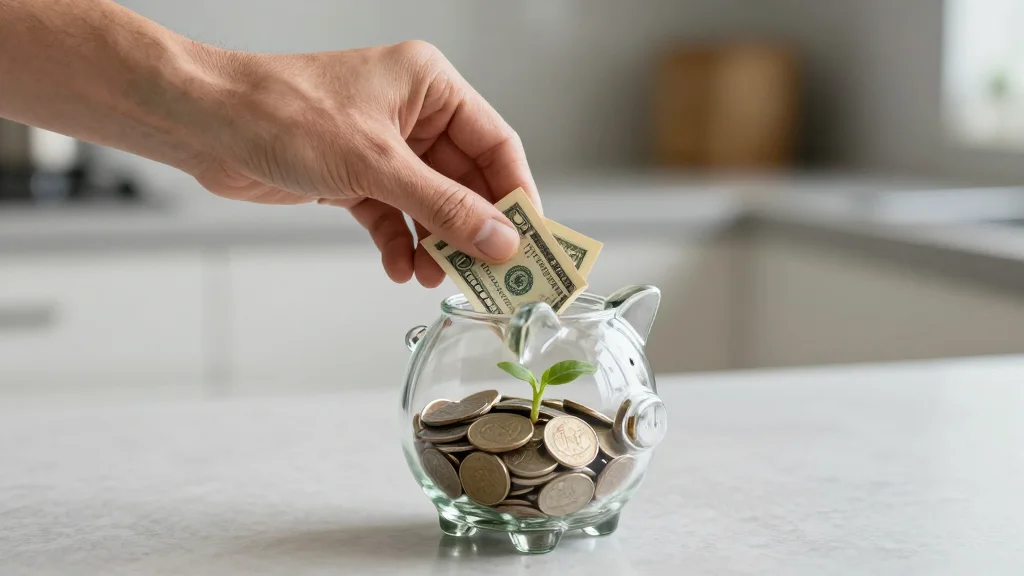
The counter‑measure, dubbed "savings inflation," flips the script: instead of expanding consumption, the extra dollars are earmarked for emergency reserves, high‑yield savings, retirement accounts, or debt reduction. By automating a percentage of each raise into these buckets, individuals harness compounding returns and create a financial cushion that grows faster than inflation. This approach mirrors the habits of high‑net‑worth individuals who treat every windfall as a seed for future security, not a fleeting indulgence. The practice also simplifies budgeting—fixed expenses stay constant while savings percentages rise, preserving purchasing power over time.
On a macro level, widespread adoption of savings inflation could shift household wealth dynamics, reducing the prevalence of consumer debt and increasing national savings rates. For professionals, the strategy offers a clear roadmap: set a pre‑raise allocation rule (e.g., 30% to savings), resist the allure of new subscriptions, and periodically review progress toward long‑term goals like financial independence or early retirement. By institutionalizing this habit, workers transform a one‑time raise into a sustainable engine for wealth creation, aligning short‑term earnings with long‑term prosperity.
Get a Raise Last Year? Choose Savings Inflation and Not Lifestyle Inflation
Comments
Want to join the conversation?