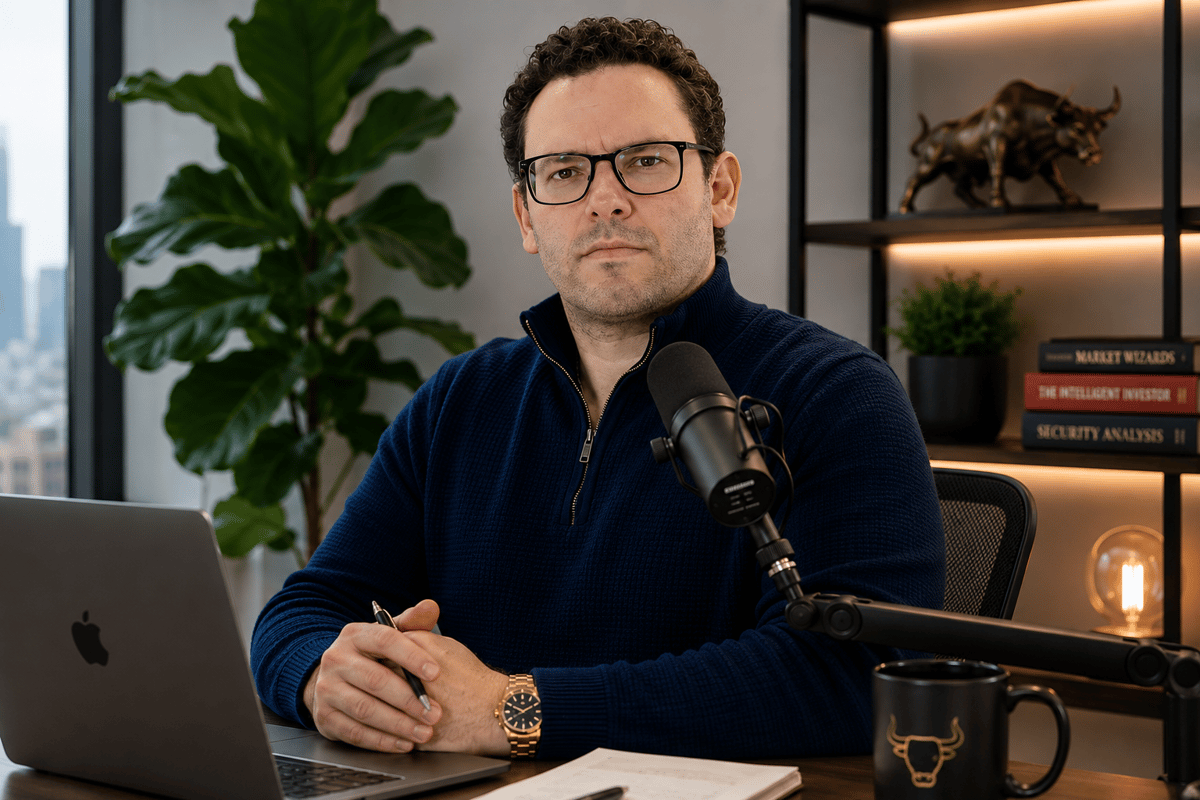
Tim Sykes Review: Is This Trading Education Worth It for Building Long-Term Wealth?
Key Takeaways
- •Platform offers thousands of archived lessons and real‑time trade alerts
- •Transparency via Profit.ly lets members verify Sykes' trade records publicly
- •Subscription fees add up; value depends on active study and risk discipline
- •Best suited for investors with solid financial foundations seeking active‑trading skills
Pulse Analysis
Tim Sykes built his brand by turning a modest college account into a seven‑figure penny‑stock portfolio, a story that fuels demand for his education platform. In a market where micro‑cap securities can swing 20‑30% in a single day, his curriculum focuses on momentum cues, chart patterns, and strict position sizing. The platform’s extensive library—spanning years of market cycles—offers learners a sandbox to dissect both successful and failed trades, while Profit.ly provides a rare layer of public performance verification that many competitors lack.
Beyond content, the service’s pricing structure mirrors typical online education models: low‑cost entry tiers grant access to newsletters and basic videos, while premium tiers unlock live alerts, community chatrooms, and real‑time commentary. For disciplined students who treat the subscription as a professional development expense, the cost can be justified by the accelerated learning curve. However, the recurring fees can erode returns if users remain passive, and the capital required to practice penny‑stock trading adds another hidden expense. The platform’s community aspect mitigates isolation, allowing traders to compare setups and refine risk management together.
From a personal‑finance perspective, the platform should be viewed as a niche skill enhancer rather than a core wealth‑building tool. Investors who have already secured emergency savings, paid down high‑interest debt, and contributed to diversified retirement accounts can allocate a modest, risk‑adjusted portion of their portfolio to speculative trading. In that context, the education can improve market psychology insight and sharpen risk discipline, complementing a broader, diversified strategy. For those seeking guaranteed income or low‑risk growth, the high volatility and failure rate of penny stocks make the platform a poor primary investment choice.
Tim Sykes Review: Is This Trading Education Worth It for Building Long-Term Wealth?
Comments
Want to join the conversation?