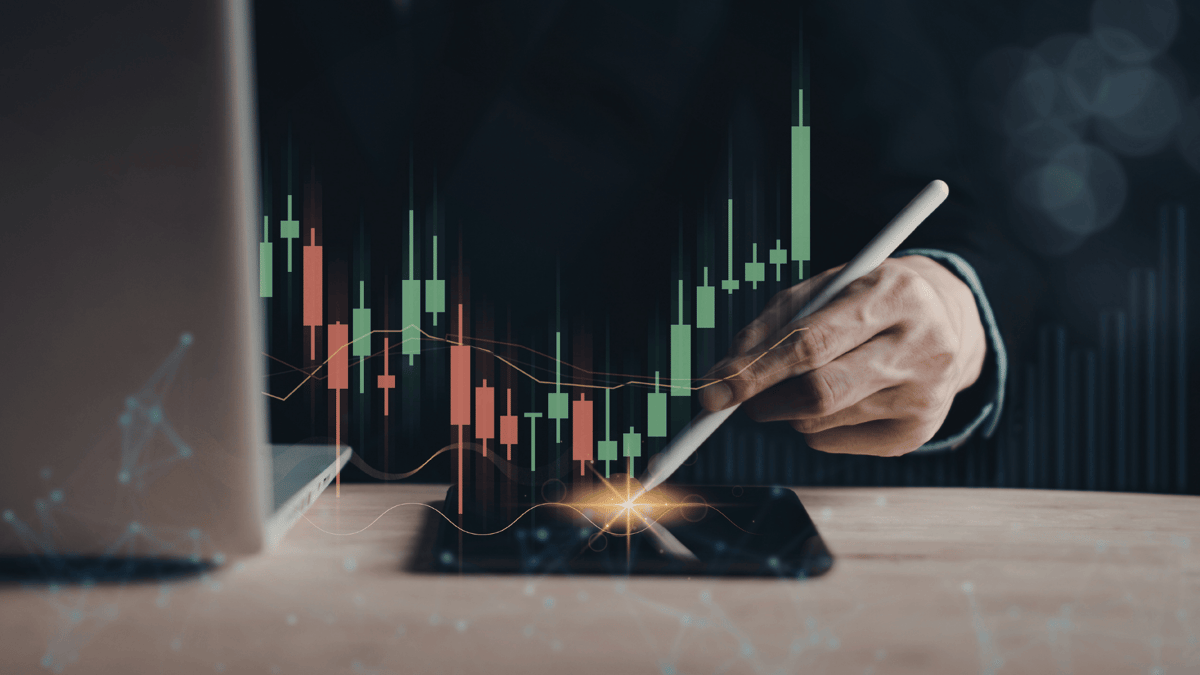
Why Investors Are Taking More Control of Their Financial Futures
Key Takeaways
- •Digital platforms let anyone invest with a few dollars
- •Investors seek transparency on fees and holdings
- •Portfolio choices increasingly reflect personal ESG values
- •Rising financial literacy fuels confidence in self‑directed investing
Pulse Analysis
The democratization of market access is the cornerstone of today’s investing renaissance. Mobile apps, fractional‑share trading, and low‑cost crypto platforms have stripped away the gatekeepers that once required wealth or connections to enter the market. With just a smartphone, individuals can allocate capital across stocks, bonds, real estate, and alternative assets, turning investing into a daily habit rather than a quarterly event. This ease of entry fuels a broader participation base and accelerates the feedback loop between market movements and personal decision‑making.
Transparency and values alignment are now top priorities for a generation that grew up with real‑time data. Modern investors can scrutinize fee structures, monitor holdings, and trace each trade’s rationale, eliminating the opacity that plagued traditional advisory models. Simultaneously, ESG considerations and socially responsible investing have moved from niche to mainstream, allowing portfolios to mirror personal convictions about climate, equity, and community impact. The surge in podcasts, newsletters, and online courses has equipped a wider audience with the knowledge to evaluate risk, understand compounding, and execute strategies confidently.
Economic headwinds—shrinking pensions, uncertain social‑security benefits, and persistent inflation—have turned self‑directed investing into a survival tactic. As retirement responsibility shifts to individuals, the urgency to grow and protect wealth intensifies, prompting many to explore alternative assets and hedging techniques. While advisors still play a crucial role in tax planning and complex structures, the relationship is now collaborative, with investors retaining final decision authority. This evolving dynamic signals a permanent rebalancing of power toward the individual, heralding a new era where the investor is the navigator of their financial destiny.
Why Investors Are Taking More Control of Their Financial Futures
Comments
Want to join the conversation?