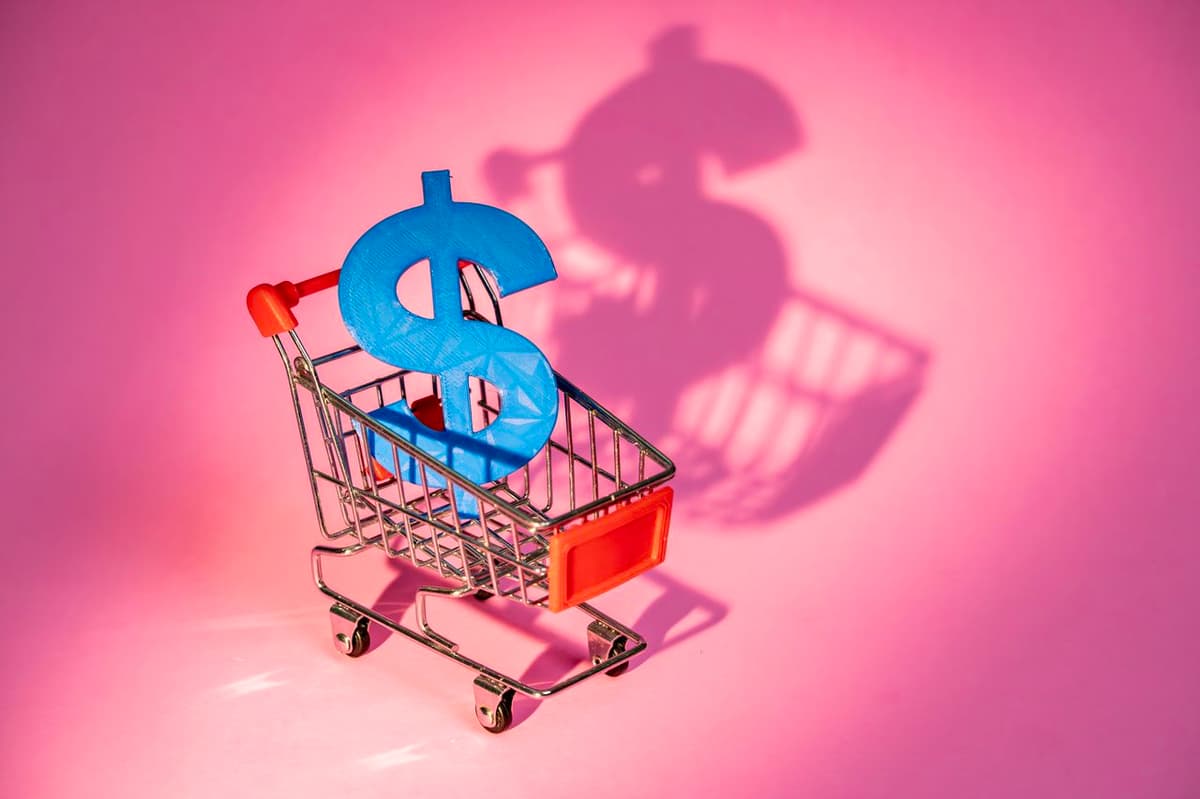
Are You ‘Spaving’? Why Trying to Save Could Be Costing You More
Why It Matters
Understanding spaving helps consumers protect disposable income and forces retailers to be transparent about promotional value, impacting overall household budgeting and retail profit strategies.
Key Takeaways
- •Spaving adds unplanned items to meet free‑shipping or discount thresholds.
- •Retailers design spend‑X‑save‑Y offers to boost average order value.
- •Bulk buying or durable goods can justify higher upfront costs.
- •Delay purchases, use lists, and ignore deal alerts to avoid spaving.
Pulse Analysis
Spaving, a term coined for the habit of spending extra to capture a future discount, has become a silent budget killer for many shoppers. The allure of free shipping, buy‑one‑get‑one offers, or spend‑X‑save‑Y promotions taps into loss‑aversion and the fear of missing out, prompting consumers to add items they never intended to purchase. While the immediate payoff feels like a win, the net effect often raises the total bill, eroding the very savings the deal promised. This behavior is amplified by e‑commerce platforms that display real‑time prompts—"Only $10 more for free shipping"—which act as subtle nudges at the point of decision.
Retailers deliberately set these thresholds to increase average order value and improve profit margins. By engineering a minimum spend that sits just above the typical basket size, they convert what would be a modest purchase into a larger, more profitable transaction. Data from online retailers shows that a significant percentage of shoppers exceed the threshold by a small margin, effectively paying for the “free” benefit. The strategy works because the perceived value of the incentive outweighs the rational calculation of actual cost, especially when the added items are low‑priced or perceived as non‑essential.
Consumers can break the spaving cycle with disciplined tactics. A 24‑48‑hour cooling‑off period lets the initial excitement fade, while a strict shopping list keeps focus on genuine needs. Turning off deal alerts and treating free‑shipping offers as a cost rather than a saving further reduces impulse add‑ons. When larger purchases are justified—such as bulk staples, durable goods, or discounted annual subscriptions—shoppers should calculate the true per‑unit cost and ensure they will use the items. By recognizing spaving for what it is, shoppers protect their wallets and push retailers toward more transparent, value‑based promotions.
Are You ‘Spaving’? Why Trying to Save Could Be Costing You More
Comments
Want to join the conversation?
Loading comments...