Canvas Breach Exposes 275 M Users, Prompting Urgent Personal Finance Cyber‑Safety Push

Companies Mentioned
Why It Matters
The Canvas breach illustrates how a single cyber‑incident can jeopardize the financial well‑being of hundreds of millions, turning personal data into a gateway for fraud. By exposing the scale of the threat, the breach accelerates adoption of consumer‑grade security tools, from AI‑enhanced identity‑theft services to passive RFID blockers. For the personal finance ecosystem, these developments could reshape risk assessments, drive up cyber‑insurance premiums, and force financial institutions to embed stronger authentication protocols. Moreover, the convergence of AI‑driven attack vectors and mass data exposures forces regulators to reconsider oversight of fintech and ed‑tech platforms alike. As consumers become more aware of the financial stakes, demand for transparent, easy‑to‑use protection will likely push providers to bundle security with core financial products, reshaping the competitive landscape.
Key Takeaways
- •Canvas hack compromised personal data of up to 275 M users at 9,000 schools
- •Gen Digital’s cyber‑safety segment booked $5.1 B, with LifeLock NPS rising to 73
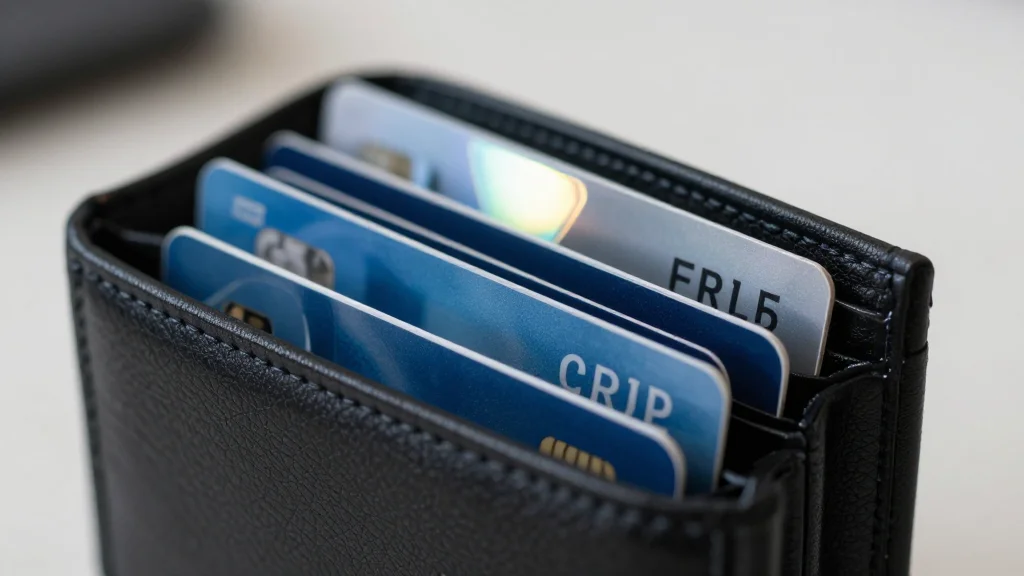
- •Cardian’s RFID‑blocking Safe Card launched as a battery‑free wallet shield
- •AI‑driven threats are compressing attack timelines from months to hours
- •Ten‑step personal finance cybersecurity checklist released by industry experts
Pulse Analysis
The Canvas breach is a watershed moment for personal finance security because it shifts the threat narrative from corporate data loss to direct consumer exposure. Unlike traditional breaches that target credit card numbers, this incident harvested identifiers that can be weaponized in sophisticated phishing campaigns, a vector that has already proven lucrative for fraudsters. The fallout will likely accelerate the integration of identity‑theft protection into mainstream banking apps, as institutions seek to retain trust.
Gen Digital’s robust earnings underscore that the market is already responding. A 26 percent cross‑sell rate suggests that consumers are willing to pay for bundled security, a trend that could pressure banks and fintechs to offer similar packages. Meanwhile, the Safe Card’s low‑tech approach taps a niche of users wary of software solutions, highlighting a diversification of defense strategies.
Looking forward, AI will be the double‑edged sword. While firms like Wipro are deploying AI agents to automate financial reconciliation, the same technology empowers attackers to craft hyper‑personalized phishing lures at scale. Regulators may soon mandate AI‑audit trails for any system handling personal finance data, and insurers could raise premiums for entities that cannot demonstrate AI‑risk mitigation. In this evolving landscape, the ten‑step checklist serves as a baseline, but the real competitive advantage will belong to firms that can seamlessly embed adaptive, AI‑backed security into the consumer experience.
Canvas Breach Exposes 275 M Users, Prompting Urgent Personal Finance Cyber‑Safety Push
Comments
Want to join the conversation?
Loading comments...