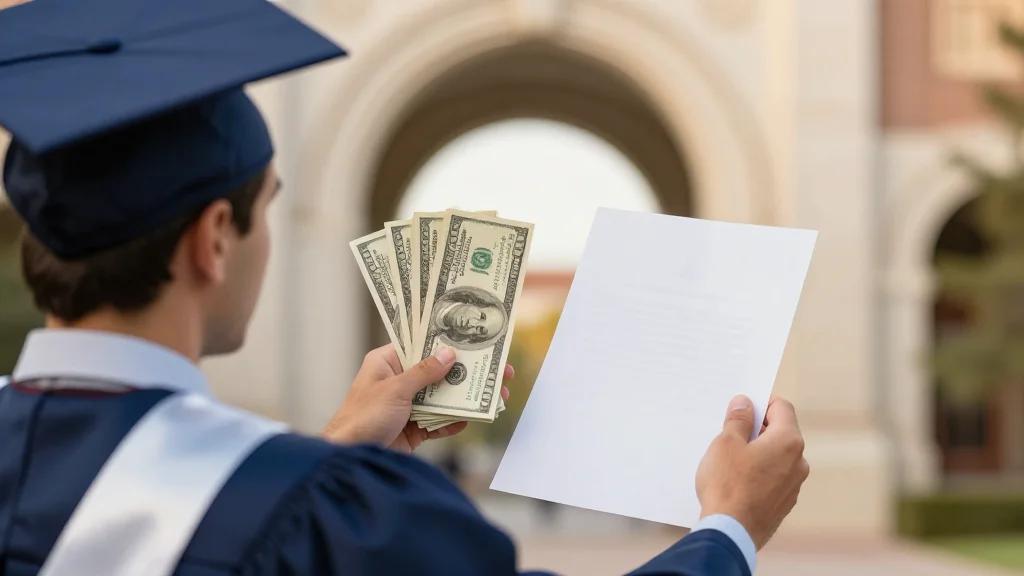
Class of 2026 Faces Tougher Federal Student Loan Rules, Fewer Repayment Options

Why It Matters
The tightened repayment landscape directly impacts the disposable income of millions of new workers, potentially delaying milestones such as home‑ownership, retirement savings, and family formation. By extending forgiveness timelines and re‑taxing cancelled debt, the policy could increase the aggregate cost of student borrowing, feeding into broader concerns about household debt vulnerability and consumer spending. Moreover, the shift signals a decisive policy direction that may influence future legislative proposals on higher‑education funding, prompting universities, lenders, and policymakers to reassess tuition pricing, scholarship models, and alternative financing mechanisms. The Class of 2026 will serve as a bellwether for how tighter loan rules affect economic mobility and the overall health of the personal‑finance ecosystem.
Key Takeaways
- •New borrowers after July 1, 2026 can only choose the Standard Repayment Plan or the new Repayment Assistance Plan (RAP).
- •RAP caps payments at 1‑10 % of adjusted gross income with a $10 minimum and extends forgiveness to 30 years.
- •Income‑Based Repayment (IBR) is closed to most new borrowers, remaining only for pre‑July 2026 loans.
- •Forgiven debt will be federally taxable again starting Jan. 1, 2026, creating potential tax liabilities.
- •Average student‑loan balance for graduates is $30,000; typical monthly payment is $304 after the six‑month grace period.
Pulse Analysis
The administration’s overhaul of federal student‑loan repayment is a calculated gamble to balance fiscal responsibility with political optics. By narrowing plan options, the Department of Education reduces administrative complexity and curtails what lawmakers view as overly generous forgiveness pathways. However, the move also shifts risk onto borrowers, especially those in low‑wage or entry‑level positions, who now face higher monthly payments and a longer road to debt relief.
Historically, income‑driven repayment plans have been a safety net for borrowers whose earnings lag behind debt service requirements. Eliminating IBR for new loans removes that buffer, potentially increasing default rates among vulnerable cohorts. The re‑taxation of forgiven debt further erodes the net benefit of any eventual cancellation, effectively turning forgiveness into a delayed, taxable windfall rather than a genuine debt‑erasure tool.
From a market perspective, the policy could spur a wave of refinancing activity as borrowers seek lower rates and more flexible terms once they become eligible, potentially boosting private‑sector loan servicers. At the same time, consumer‑advocacy groups may intensify lobbying for legislative relief, echoing past battles over the Public Service Loan Forgiveness program. The Class of 2026 will thus become a case study in how tighter federal loan rules shape borrowing behavior, credit markets, and the broader discourse on the cost of higher education in America.
Class of 2026 Faces Tougher Federal Student Loan Rules, Fewer Repayment Options
Comments
Want to join the conversation?
Loading comments...