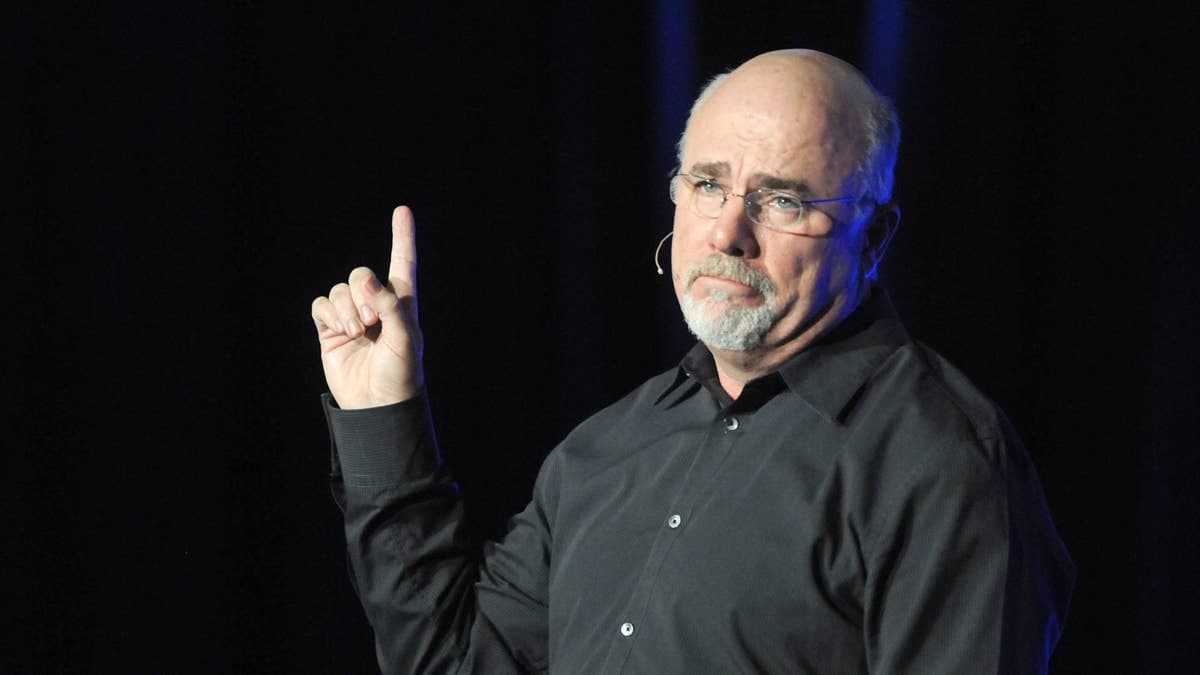
Dave Ramsey Raises Red Flag on Social Security, 401(k)s
Companies Mentioned
Why It Matters
As Social Security’s solvency erodes, inadequate personal savings could push retirees into poverty, while higher 401(k) limits offer a vital avenue for wealth accumulation.
Key Takeaways
- •Average 2026 Social Security benefit $2,071/month, $24,852 annually.
- •401(k) contribution limit rises to $24,500 in 2026, $32,500 with catch‑up.
- •SSA projects trust funds depleted by 2034, covering 81% of benefits.
- •Ramsey urges 15% income into growth stocks via 401(k) or Roth IRA.
Pulse Analysis
Social Security’s financial outlook has become a focal point for retirees and policymakers alike. The average monthly benefit of $2,071 in 2026 translates to just $24,852 a year—only $3,702 above the federal poverty level for a two‑person household. Demographic shifts and longer life expectancies are straining the program’s trust funds, which the SSA warns will run out of reserves by 2034, leaving beneficiaries with roughly 81% of promised payments. This looming shortfall underscores why many financial experts, including Dave Ramsey, argue that relying on the program alone is a risky retirement strategy.
Ramsey’s prescription centers on proactive personal savings, specifically directing 15% of pre‑tax income into growth‑oriented stock mutual funds via employer‑sponsored plans. A 401(k) offers tax‑deferred growth for traditional contributions and tax‑free withdrawals for Roth contributions, while many employers match a portion of employee deposits—effectively free money that can accelerate portfolio compounding. By leveraging these tax advantages and the power of automatic payroll deductions, savers can build a robust nest egg that cushions against Social Security’s uncertain future. Ramsey also highlights Roth 401(k)s as a compelling option for those who anticipate higher tax rates in retirement.
Legislative inertia on Social Security reform makes the recent IRS increase in 401(k) limits especially timely. For 2026, employees may contribute up to $24,500 annually, with an additional $8,000 catch‑up contribution for those 50 and older, raising the ceiling to $32,500. Workers aged 60‑63 enjoy an even higher catch‑up tier of $11,250. These higher caps empower older Americans to accelerate savings as they approach retirement, mitigating the risk of benefit cuts. Financial institutions and employers must communicate these changes clearly, ensuring participants maximize contributions and employer matches, thereby strengthening the overall retirement security landscape.
Dave Ramsey raises red flag on Social Security, 401(k)s
Comments
Want to join the conversation?
Loading comments...