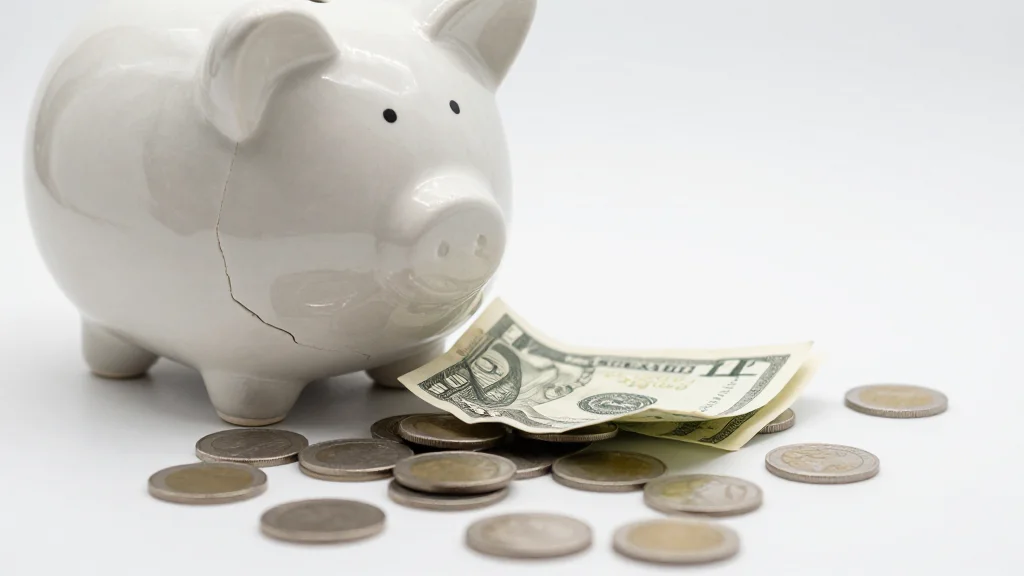
Gallup Survey Shows Record 55% of Americans Say Finances Are Getting Worse

Why It Matters
The record‑high level of financial pessimism signals a potential slowdown in consumer spending, which could dampen economic growth given the outsized role of household consumption in the U.S. economy. When more than half of adults feel their finances are worsening, they are likely to cut discretionary purchases, delay major life events such as home buying or family formation, and increase reliance on high‑interest credit, all of which can amplify systemic risk. Moreover, the poll highlights specific pressure points—retirement savings and health‑care costs—that intersect with long‑term fiscal sustainability. Policymakers who ignore these signals risk widening inequality and eroding the social safety net, while targeted interventions could restore confidence and stabilize household balance sheets.
Key Takeaways
- •55% of Americans say their finances are getting worse, the highest reading since the 2008‑09 recession.
- •Financial worries have risen for five straight years, up from 47% in 2024.
- •62% fear insufficient retirement savings; 60% worry about covering serious medical expenses.
- •Only $6,000 in extra debt can push an average family into financial crisis, according to the poll.
- •The survey suggests a potential pullback in consumer spending and heightened policy focus on retirement and health‑care affordability.
Pulse Analysis
The Gallup data paints a picture of a consumer base that is increasingly risk‑averse. Historically, periods of heightened financial anxiety have coincided with tighter credit conditions and slower retail sales, as households prioritize debt repayment over new purchases. In the current environment, where inflation remains above the Federal Reserve's target and wages have only modestly kept pace, the 55% pessimism rate could translate into a measurable drag on GDP growth.
From a market perspective, sectors that depend on discretionary spending—such as travel, entertainment and non‑essential retail—may face headwinds, while defensive categories like utilities, consumer staples and health‑care could see relative strength as consumers reallocate limited resources toward essential goods and services. Financial institutions may also see a shift in loan demand, with a surge in short‑term, high‑interest credit products as households seek quick cash to bridge gaps.
Policy implications are equally stark. The data underscores the urgency of addressing structural cost pressures, particularly in health‑care and retirement security. Legislative proposals that expand Medicare coverage, incentivize employer‑sponsored retirement plans, or provide targeted tax relief could mitigate the worst of the sentiment decline. Absent such measures, the growing financial strain may exacerbate wealth inequality and fuel political backlash, further destabilizing the economic outlook.
Gallup Survey Shows Record 55% of Americans Say Finances Are Getting Worse
Comments
Want to join the conversation?
Loading comments...